Have you ever stopped to think about how your milk or butter actually gets to your table?
We recently caught up with the family behind Vander Woude Dairy in Merced, and the conversation quickly went beyond cows and equipment. At its heart, their story is about family, responsibility, a passion for dairy farming and a deep belief that food is security.
Like many in California agriculture, the Vander Woude family started with very little and built their dairy over time. That mindset hasn’t changed. It’s something they’re passing on to their kids—work hard, take care of what you have, and leave things better than you found them.
And while there’s a perception that dairy farmers have it easy, their reality looks a lot different. Dairy is a 24/7, 365-days-a-year commitment. There are no days off—just a constant rhythm of caring for animals, producing food, and keeping the operation running.
That same sense of responsibility is what led them to invest in a covered anaerobic lagoon digester, part of the Merced-South Cluster developed by Maas Energy Works. With support from the Dairy Digester Research and Development Program (DDRDP), they’ve turned something often seen as waste into a resource, capturing methane to create renewable energy and returning nutrients back to their fields. This project is funded in 2018 in Merced County with over $1.8 million from DDRDP through California Climate Investments (CCI) and equal matching funds from Vander Woude Dairy, cost the total project worth $3.7 million. For more insights on how Vander Woude dairy digester converts methane to renewable natural gas (RNG), check out the related blog post link on Vander Woude Dairy project.
For the Vander Woude family, it’s simple: take what you have, use it wisely, and be good stewards of it.
Farming today isn’t easy. Rising costs, unpredictable weather, and many other challenges are real, but projects like this show how innovation can work for farmers, helping them stay viable while contributing to a more sustainable future.
At the end of the day, though, what stands out most isn’t the technology. It’s the people and family behind it. A family rooted in hard work, committed to their community in Merced, and proud to play a role in feeding others every single day.
Spring is in full swing and, as always, we are energized by seeing the fields come alive with bee boxes, new plantings, fascinatingly complex farm equipment, and, of course, farmers hard at work stewarding the land and bringing food to our tables.
At the beginning of Healthy Soils Week, I had the pleasure of visiting Westwind Farms in Woodland with the Almond Board and hearing Kirk Pumphrey share his experience recycling almond hulls and shells as mulch in his orchard. He also spoke about his research partnership with UC Davis’ Tanya Gerperle-Goncalves to better understand the impacts of these practices. The farmers attending that event had great questions about how these practices could translate to their own operations and what benefits they might expect, giving me insight into where they saw opportunities and where the challenges lie in broader adoption.
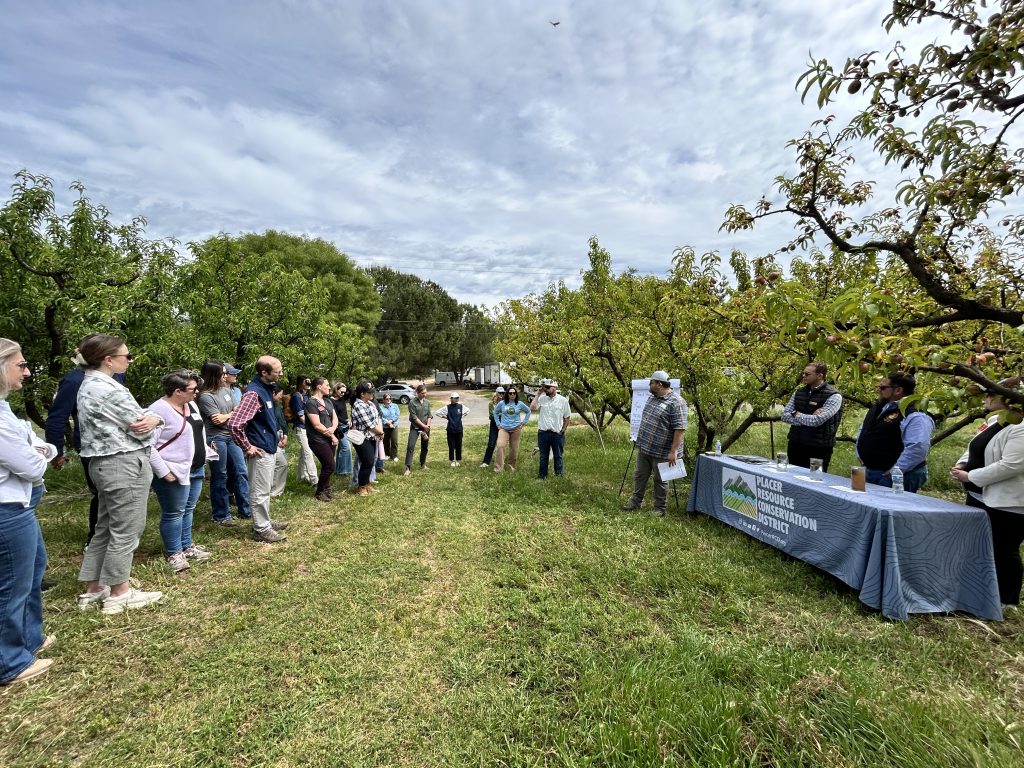
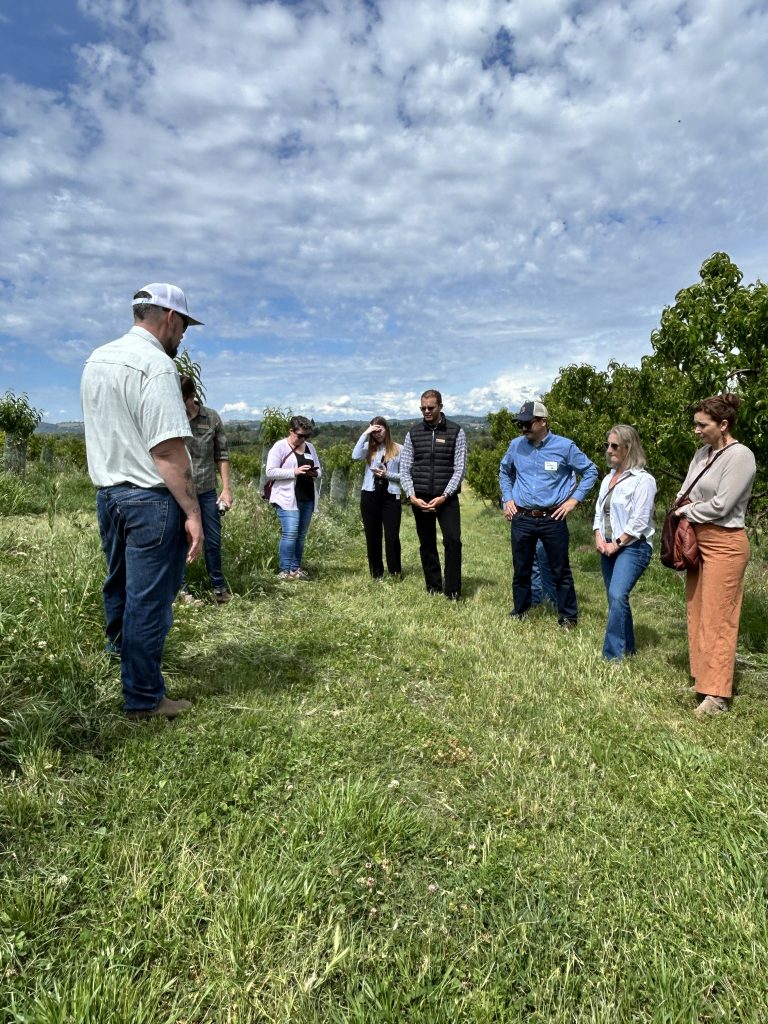
Later in the week, we visited Twin Peaks Orchards in Newcastle and toured their operation with co-owner Justin Miller and staff from the Placer Resource Conservation District. It was inspiring to see their partnership in implementing a project supported by OARS’ Healthy Soils Program (HSP) Block Grant and to see our friends at the Community Alliance for Family Farmers create an excellent learning environment for the legislative offices and state government leadership in attendance.
I left Healthy Soils Week with the renewed sense of purpose I needed to sit right back down in front of this computer and keep collaborating with stakeholders and my staff to strengthen and improve our grant programs. We look forward to reviewing HSP and State Water Efficiency Enhancement Program (SWEEP) concept proposals soon and to beginning outreach for our equipment sharing program this spring and summer.
I hope you are finding similar inspiration in the bustle of spring.
On April 9, Healthy Soils Week was marked with a memorable tour of Twin Peaks Orchards in Newcastle, offering a firsthand look at how state investments in soil health are supporting resilient farms and sustainable food systems across California. The Office of Agricultural Resilience and Sustainability (OARS) partnered with the Community Alliance of Family Farmers (CAFF) to bring together legislative staffers, CDFA personnel, and a Cal Recycle team led by the agency Director, Zoe Heller, to see how climate-smart practices are improving soil function while contributing to a circular economy.
Twin Peaks Orchards, a Healthy Soils Program (HSP) awardee led by Justin Miller, provided a compelling example of how these investments translate on the ground. During an in-orchard demonstration, Placer RCD Agricultural Program Manager Brian Pimentel used a “slake test” to illustrate how adding organic matter improves soil structure and reduces erosion — benefits that are especially critical in this cultivated hilly region. In the demonstration, only soil clods from fields which had received organic additions for several years were shown to remain intact when they were submerged in water.
Miller emphasized that soil health practices get better with time, often requiring several years to fully realize benefits. However, he noted that practices like cover cropping ultimately pay off—improving water retention, increasing resilience to heat, and reducing the impacts of extreme weather. These outcomes align directly with the goals of the Healthy Soils Program: to build climate resilience while supporting agricultural productivity.
Miller highlighted that maintenance of practices without ongoing financial support is a key challenge. While programs like HSP play a critical role in helping farmers initiate new practices, farmers that continue the investment realize much greater environmental and economic benefits. Essentially, the more experience that a producer has with soil health practices, the more they value them. This may help explain why, among awardees of HSP’s first funding rounds responding to a survey, practice persistence rates were higher for those that had experience with the practice prior to their HSP project.
Cover-cropping: 77% with previous experience persisted vs. 67% first-time adopters
Composting: 82% with previous experience persisted vs. 51% first time adopters
Edge of field practices: 73% with previous experience persisted vs 58% first-time adopters. (Babin et al., 2025)
Healthy Soils Week serves as a reminder that soil health investments go beyond benefits at individual farms. They support broader climate goals, strengthen local food systems, and help preserve California’s agricultural legacy. At Twin Peaks Orchards, where a multigenerational story rooted in perseverance continues to evolve, those benefits are visible in every row of trees and every handful of soil.
California leads the nation in data transparency through the collection and sharing of pesticide use data, providing stakeholders, state agencies, and the public with valuable insights into pest management throughout the state. The Pesticide Use Reporting (PUR) Database maintained by the California Department of Pesticide Regulation (DPR) serves as a resource for the public to track and understand how pesticide use has changed in California over the past decades. Every year, DPR releases their Pesticide Use Annual Report to highlight short-term and long-term pesticide use trends by commodity and categories of interest (e.g. biopesticides, carcinogens, toxic air contaminants) to inform actions to mitigate potential impacts to human health and the environment and to inform California’s transition to safer, more sustainable pest management.
California’s agricultural landscape is constantly evolving in response to the development of new technologies, novel pest threats, and the changing climate. Furthermore, the diversity of California’s specialty crops means different types of growers must use different pest management strategies to adapt to new conditions. To better understand what specific factors are driving changes in important categories of pesticide use, CDFA’s Office of Pesticide Consultation and Analysis (OPCA) has published a report on how individual crops and pesticide active ingredients contributed to changes in the use of pesticide categories of interest between 2022 and 2023.
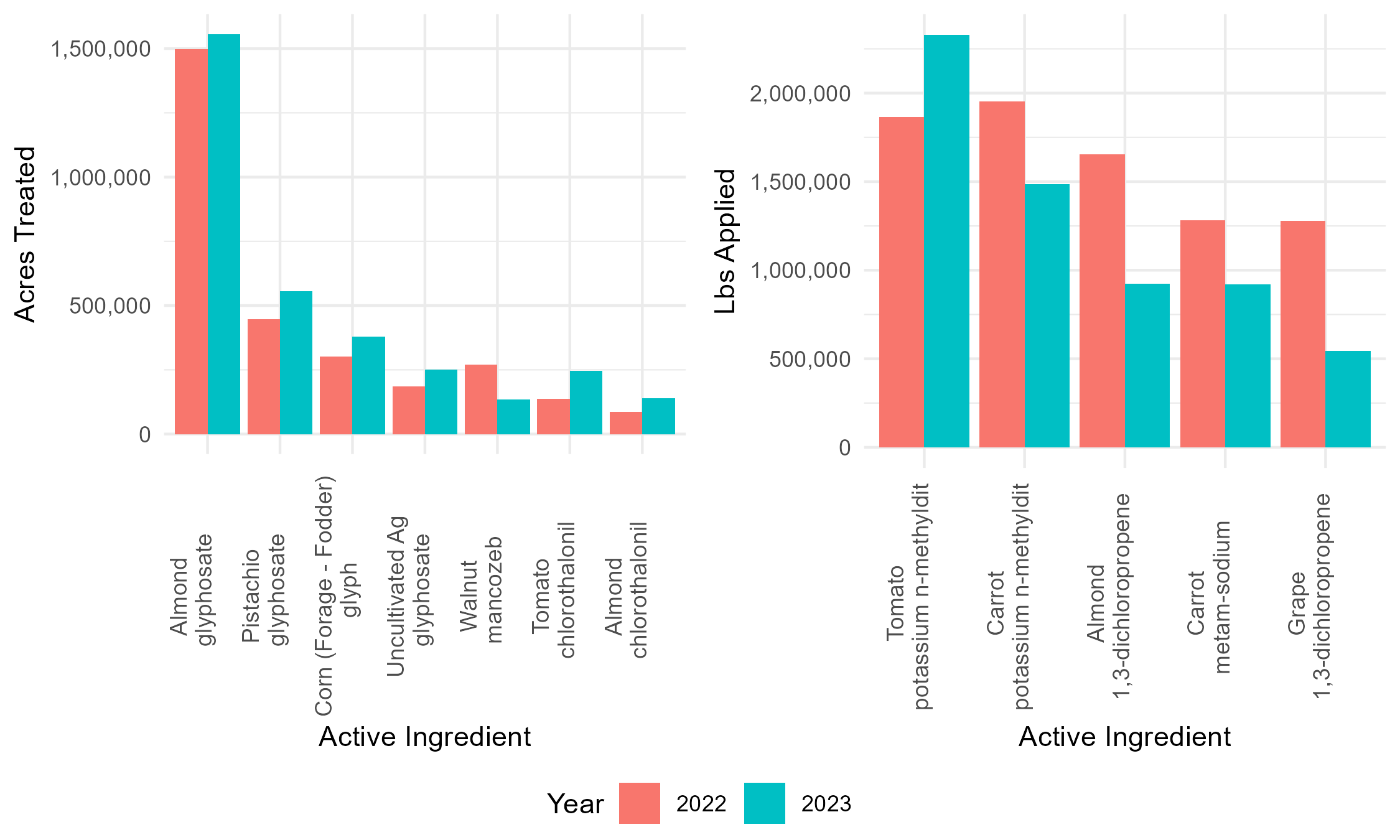
In many cases, the use of specific pesticide active ingredients increased in one crop while it decreased in another, highlighting the complexity behind total annual changes in pesticide use categories. For example, DPR’s Annual Report shows that the total pounds applied of pesticides classified as carcinogens decreased by 6% from 2022-2024, but the acres that received treatments of pesticides classified as carcinogens actually increased by 6% in the same period. OPCA’s report breaks down the specific uses of each pesticide in the carcinogen category to show that glyphosate use increased in almond, pistachio, and corn and drove up the number of acres treated, while fumigant use fell in carrots, grapes, and almonds, driving down pounds applied.
Changes in Use of Pesticides Classified as Carcinogens by crop from 2022-2023.
The OPCA report also shows that many changes in annual pesticide use are driven more by how many acres of a crop are grown that year rather than any changes in management practices by growers. While the use of the herbicide thiobencarb doubled in rice production between 2022 and 2023, California grew twice as many acres of rice in 2023 compared to 2022. This highlights the importance of looking at how individual crop systems change and how specific pesticide products are used in order to accurately interpret how pesticide use data reflects in-field conditions and to evaluate how state policies and programs are effectuating changes in pest management practices. The full report contains many actionable insights into pesticide use across categories and throughout the state.
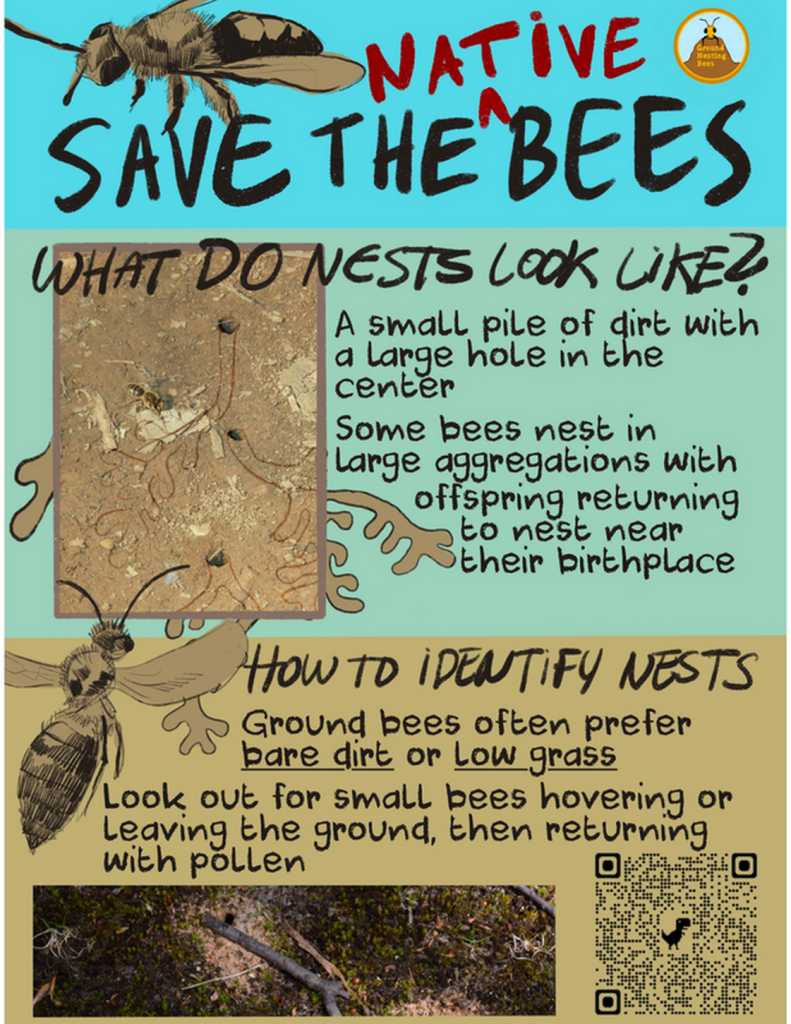
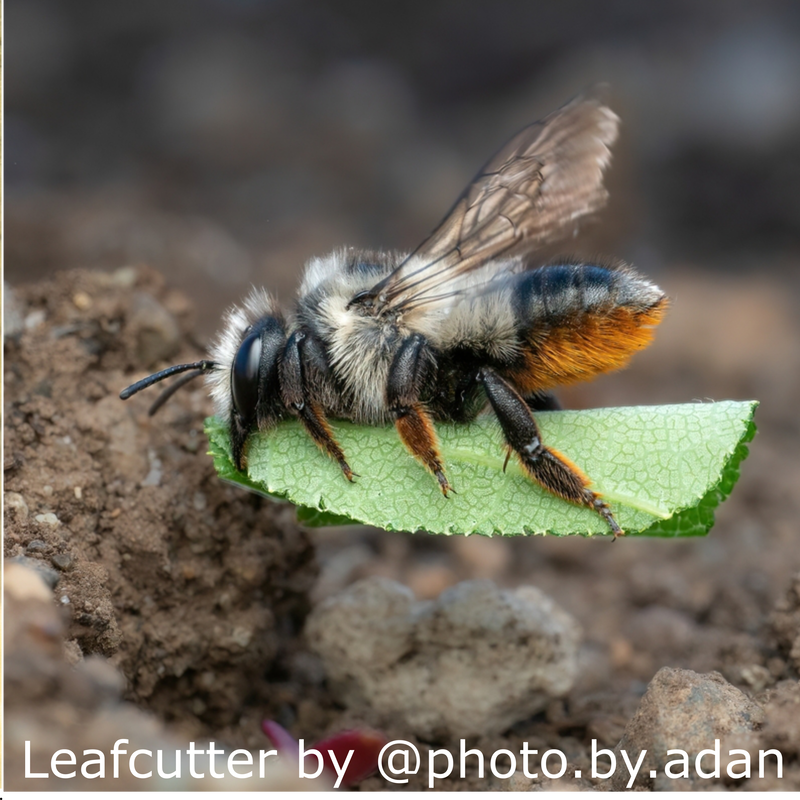
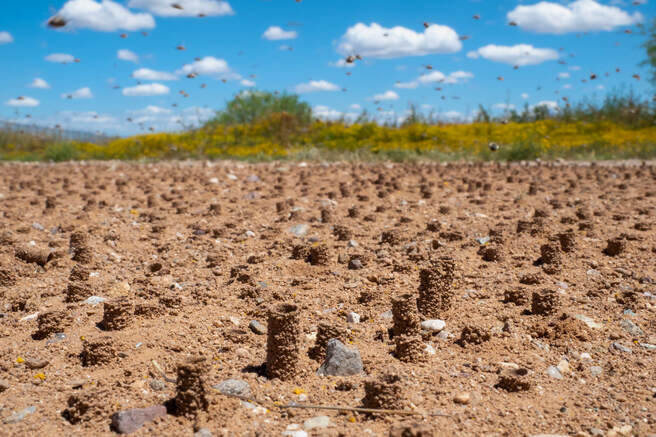
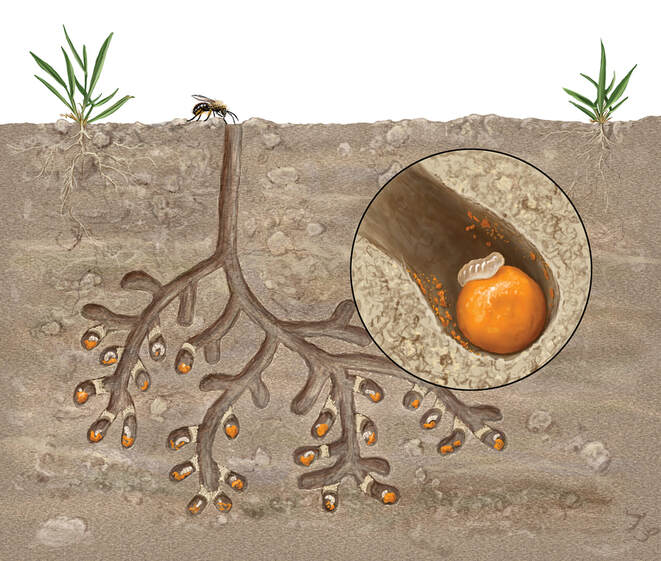
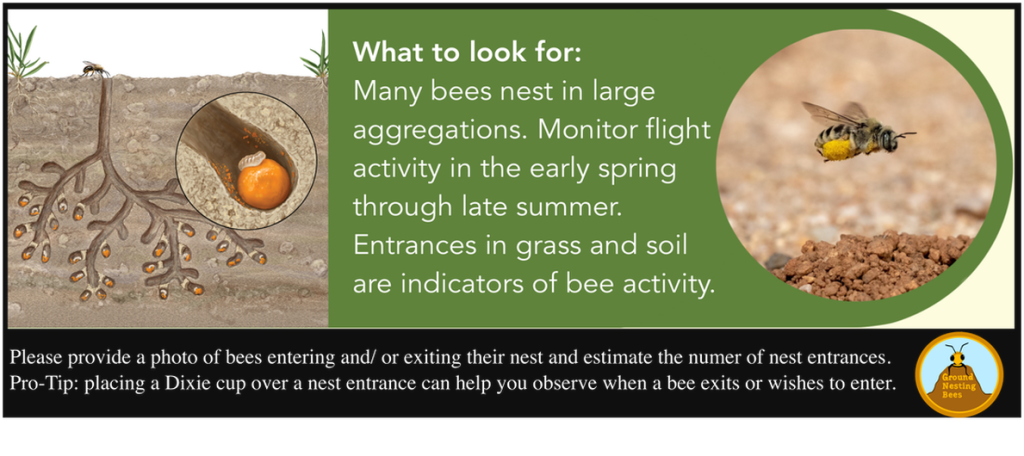
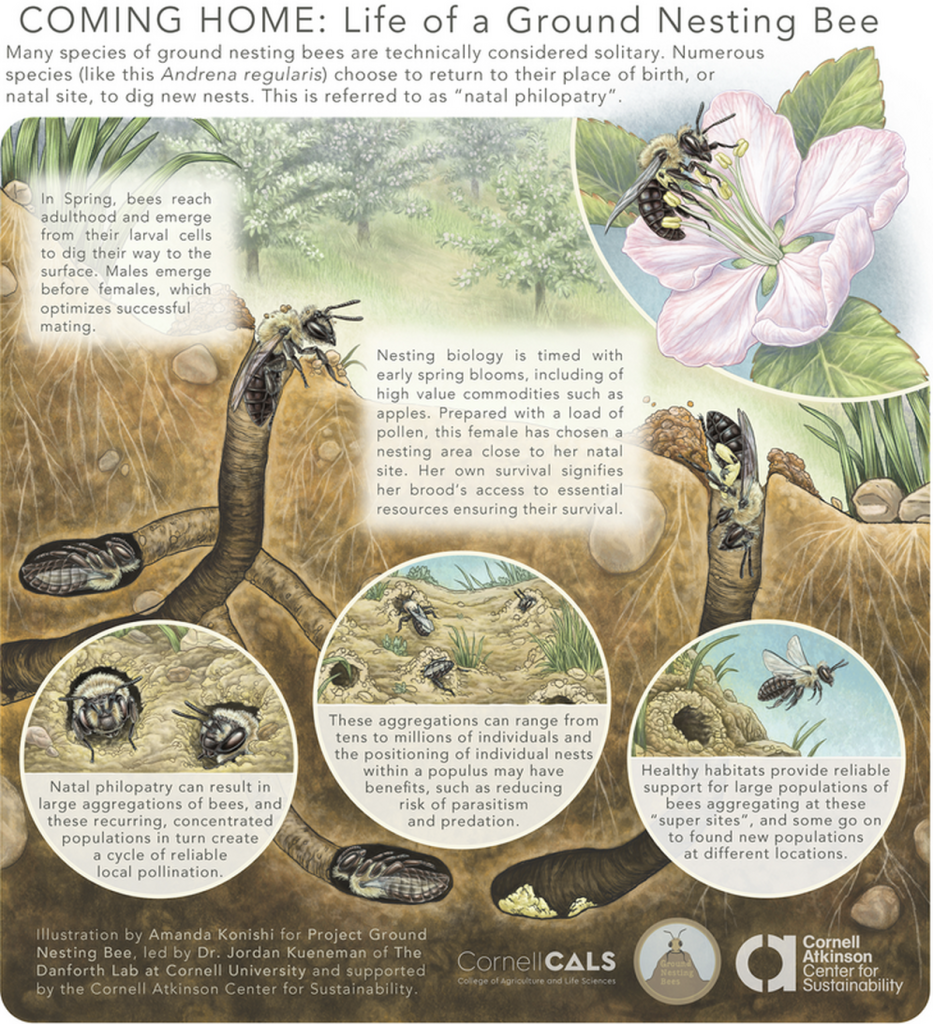
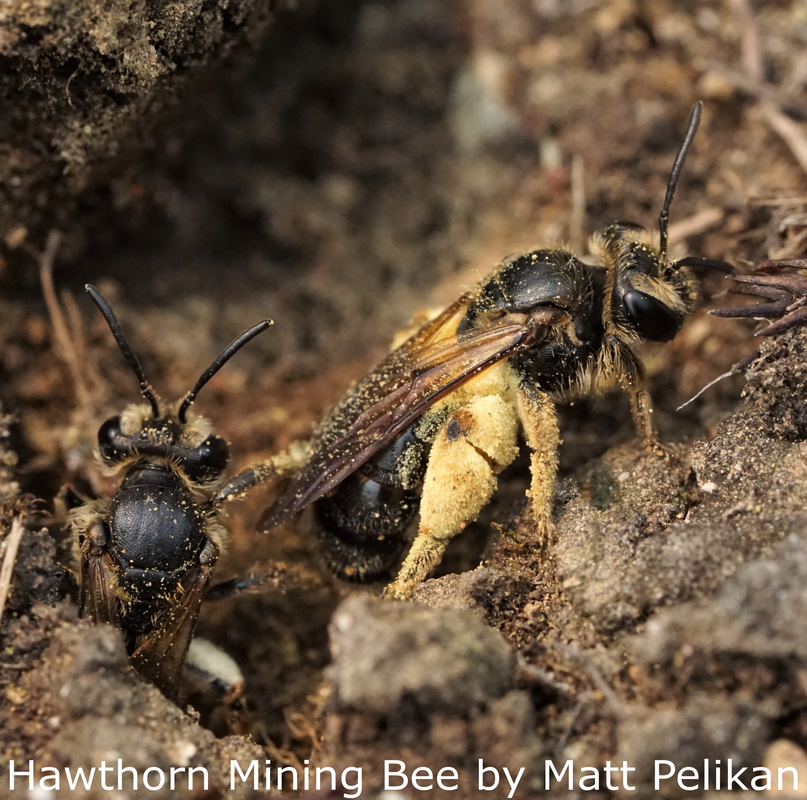
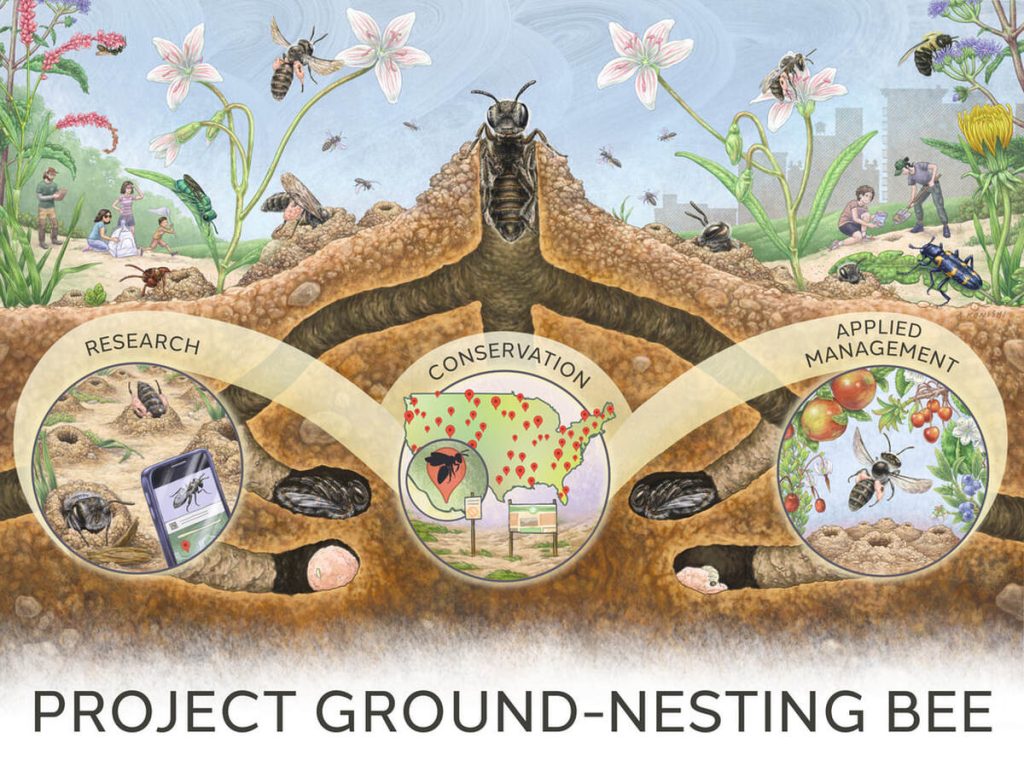
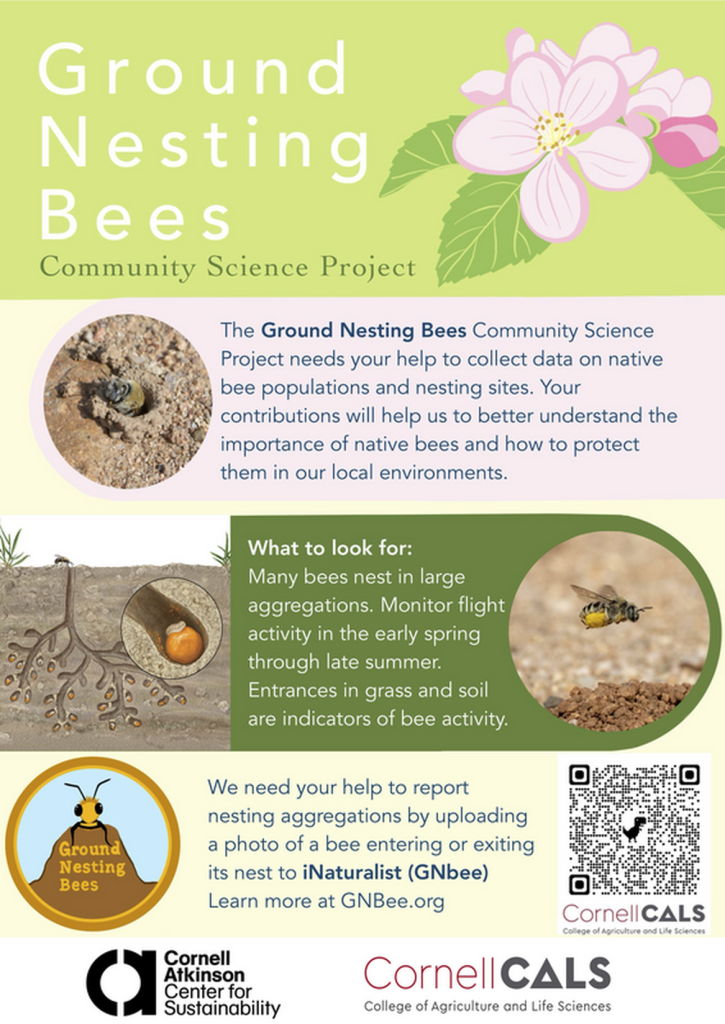
Bee pollination contributes hundreds of billions of dollars annually to the global economy. Wild bees provide free pollination services to farmers, which significantly improve both the quality and quantity of crop yields. Seventy percent of wild bees nest in the ground and some species form large, long-standing nesting sites while others are more solitary. Our knowledge on the ~20,000 global bee species is lacking despite their importance to supporting ecosystem resilience, agricultural sustainability, and food security. Conservation efforts have historically focused on plants, leaving critical gaps in our understanding of bee nesting biology.
Launched in June 2023, Project GNBee brings together a broad coalition of community scientists, researchers, and institutions to establish a national monitoring program for ground-nesting bees. The project has three primary goals to address the lack of understanding of native bee nesting biology. 1) Discover, document, and study the nesting requirements of ground-nesting bee sites; 2) protect nesting sites and assess associated health risks to bees; and 3) develop multiple management strategies for agriculture.
Project GNBee is progressing our knowledge of native bee nesting behavior. This effort will help pollinator biodiversity and promote a resilient, diverse pollinator community, vital for the health of ecosystems and agricultural economies.
Author: Kari Arnold, PhD, Western Region IR-4 Associate Director, Environmental Toxicology Dept., UC Davis
On October 22, 2024, EPA prohibited the use of all products containing the herbicide dimethyl tetrachloroterephthalate (Dacthal or DCPA) under the Federal Insecticide, Fungicide and Rodenticide Act (FIFRA). Although the reason for the cancellation was based in science, the decision left many vegetable growers in California at a loss for how to manage weeds at planting. CDFA’s Office of Pesticide Consultation and Analysis (OPCA) has been supporting research into herbicide alternatives through the IR-4 Project, a federal research program ensuring that specialty crop farmers have legal access to safe and effective crop protection products as regulations evolve. Through IR-4, OPCA has funded researchers spearheading the effort to register pyraflufen-ethyl, an alternative to Dacthal.
EPA’s cancellation came in response to robust studies demonstrating thyroid toxicity related to unborn babies of mothers exposed to Dacthal via handling or working in areas where it was recently applied. Prior to cancellation, Dacthal filled a niche use pattern most herbicides couldn’t. As a “pre-emergent” herbicide, it could limit the emergence of existing weed seed populations in the soil. Dacthal provided this type of protection long enough for a vegetable crop canopy to grow in, but with little to no injury to the various crops listed allowed to use it. This unique capability made many vegetable crops reliant on Dacthal as an integral step in their Integrated Pest/Weed Management (often referred to as IPM) Program.
Steven Fennimore, a retired UC Davis Professor of Cooperative Extension, invited me down in early 2023 to visit his USDA Salinas station weed management studies. While walking to the trials, he remarked that many specialty crops have been reliant upon the same herbicide chemistries for 60 years, and that we need to see if there are applicable alternatives. Part of Steven’s career consisted of collaborations with registrants and IR-4 to broaden the range of options for vegetable growers to accomplish that goal. In terms of Dacthal alternatives, pyraflufen-ethyl was one material of interest. Although this is a contact herbicide, meaning it must contact the weeds to work and cannot be used before weeds emergeSteven and the registrant, Nichino America Inc., had been testing varying rates and application times to determine an acceptable crop injury use pattern for an over-the-top application to onions and garlic. If successful, this material could control early emerging weed populations during the initial stages of crop development.
Although there was till on-going research at that time, I encouraged Steven to submit the request in 2023. With support from CDFA-OPCA, the registrant, and Western Growers, submission was prioritized at the IR-4 Food Use Workshop and moved forward for the 2024 field research season. Given our current timeline, the product should be available to growers by 2030.
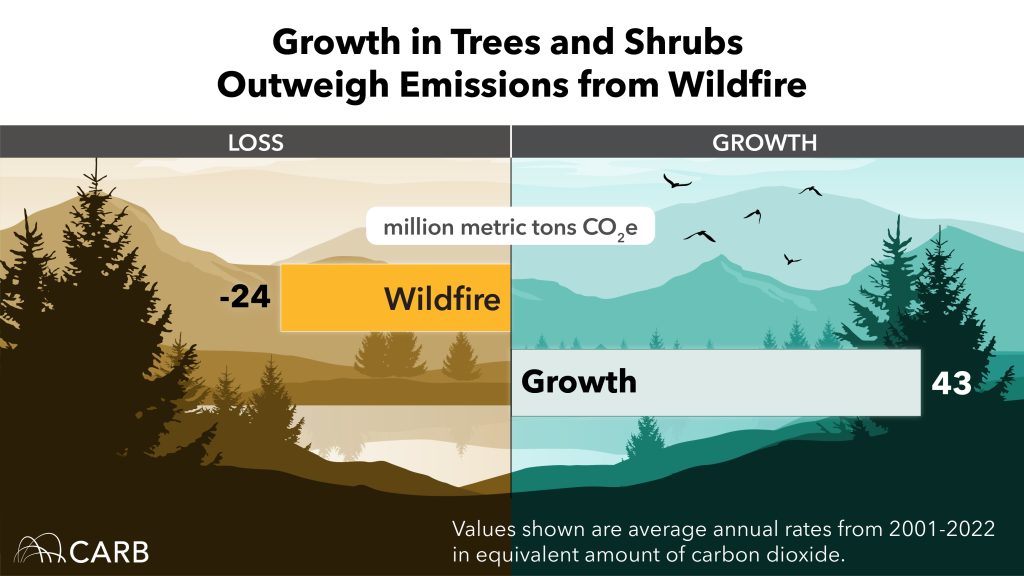
The California Air Resources Board (CARB) released the second edition of California’s Natural and Working Lands Carbon Inventory this week, showing that even with catastrophic wildfires occurring more recently, the state’s natural and working lands have absorbed more carbon than they released since 2001, helping counterbalance emissions from those fires.
The report takes a comprehensive look at how our forests and farms help fight climate change. To reach California’s 2045 carbon neutrality goals, we must scale approaches such as prescribed fire, Climate Smart Agriculture, and ecosystem restoration.
Highlights for Agriculture:
In 2022, croplands stored 278 MMT of carbon, equivalent to 5.6% of the carbon stored in California’s natural and working lands. Roughly three quarters of this was contained in the soil.
Between 2001 and 2022, total cropland carbon stocks (biomass + soil carbon) increased by 15 MMT, driven primarily by increases in perennial orchard biomass carbon stocks.
From 2014 to 2022, biomass carbon increased across most perennial crop types, largely reflecting expansion in orchard area. Almonds contributed the largest increase, followed by pistachios, walnuts, and citrus. Vineyards in contrast showed a decline in biomass carbon associated with loss in vineyard area.
Since 2001, gains in perennial biomass carbon have been concentrated in the San Joaquin and Sacramento valleys, with other regions showing small net change overall.
“California’s natural and working lands are proving to be powerful allies in our effort to address climate change,” said CARB Chair Lauren Sanchez. “Even in the face of devastating wildfires, California’s ecosystems continue to grow and absorb carbon dioxide, helping us move toward carbon neutrality. This inventory shows the incredible power of nature and is yet another example of how California continues to stand up for science with innovative programs and policies.”
The inventory is developed to identify how lands can help California achieve carbon neutrality by measuring annual gains and losses year over year. It complements the state’s annual greenhouse gas emissions (GHG) inventory which counts emissions and reductions from about 80 percent of California’s sources of human-caused climate emissions.
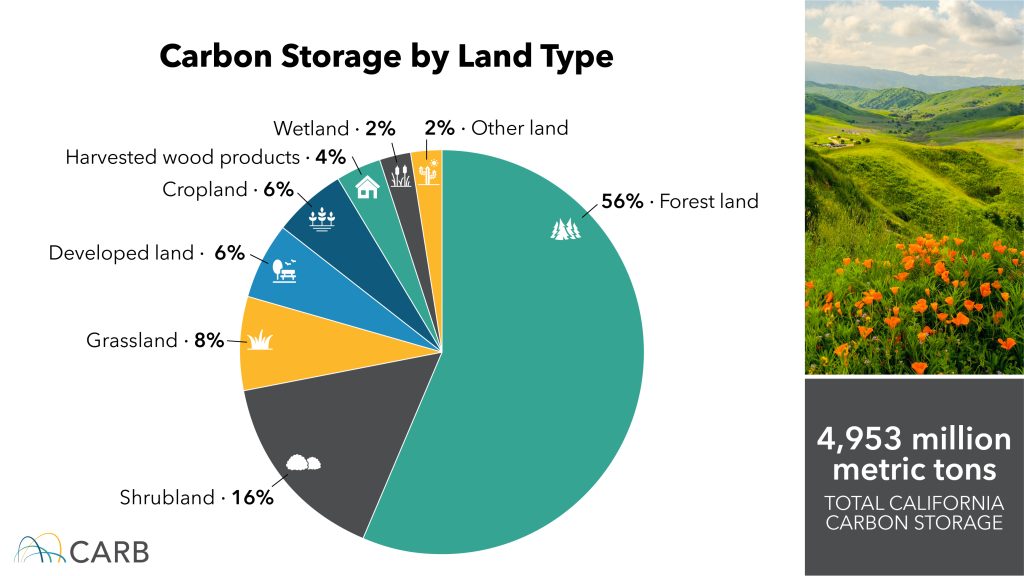
The inventory shows that California lands store nearly five billion metric tons of carbon with over 70% of all carbon in forests and shrublands. The inventory accounts for all organic carbon stored in living and dead biomass, near-surface soils, and wood products harvested from within the state.
While the report shows that nature has helped counterbalance wildfire emissions since 2001, California’s lands have more recently lost more carbon than they absorbed because of record-breaking wildfires driven by climate change.
This demonstrates how climate change and other human-induced factors continue to impact the carbon balance of our ecosystems and the importance of California’s efforts to reach carbon neutrality to avoid even worse impacts in the future. It also shows the important role of prescribed fires, which help reduce overgrown vegetation and keep ecosystems healthy, helping prevent destructive wildfires and protect communities.
The inventory underscores the massive amount of carbon in California’s vegetation and soils and the importance of achieving state’s Nature-Based Solutions Climate Targets.
This work is further supported by Governor Newsom’s commitment to conserve 30% of the state’s lands and coastal waters by 2030 (known as 30×30) to help protect natural systems and combat biodiversity loss.
Through the implementation of anaerobic digesters, CalBioGas Hilmar LLC (Hilmar Cluster), working with Hilmar dairy farmers, are leading the way toward a more sustainable future for their surrounding community. Cluster projects consist of a hub facility for centralized operations, including the collection of biogas from multiple dairy digesters. The hub handles the cleaning, conditioning, upgrading, and pipeline injection, making it feasible and efficient for farmers to adopt this sustainable technology on their property.
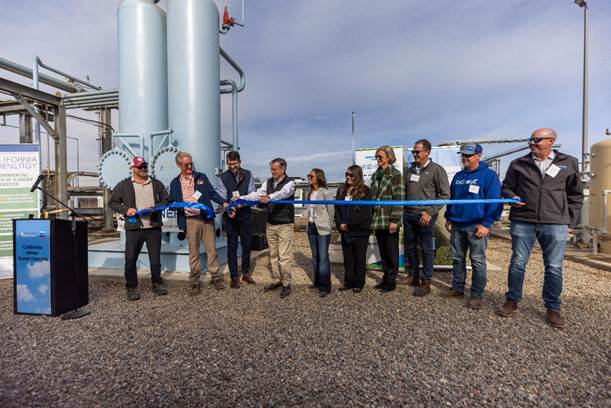
Grants administered by the Dairy Digester Research and Development Program (DDRDP) under the Office of Agricultural Resilience and Sustainability (OARS) significantly contributed to the development of the Hilmar cluster (Picture 1).
Picture 1- Hilmar Cluster Ribbon Cutting Ceremony at the Central processing Facility Site on November 19, 2025
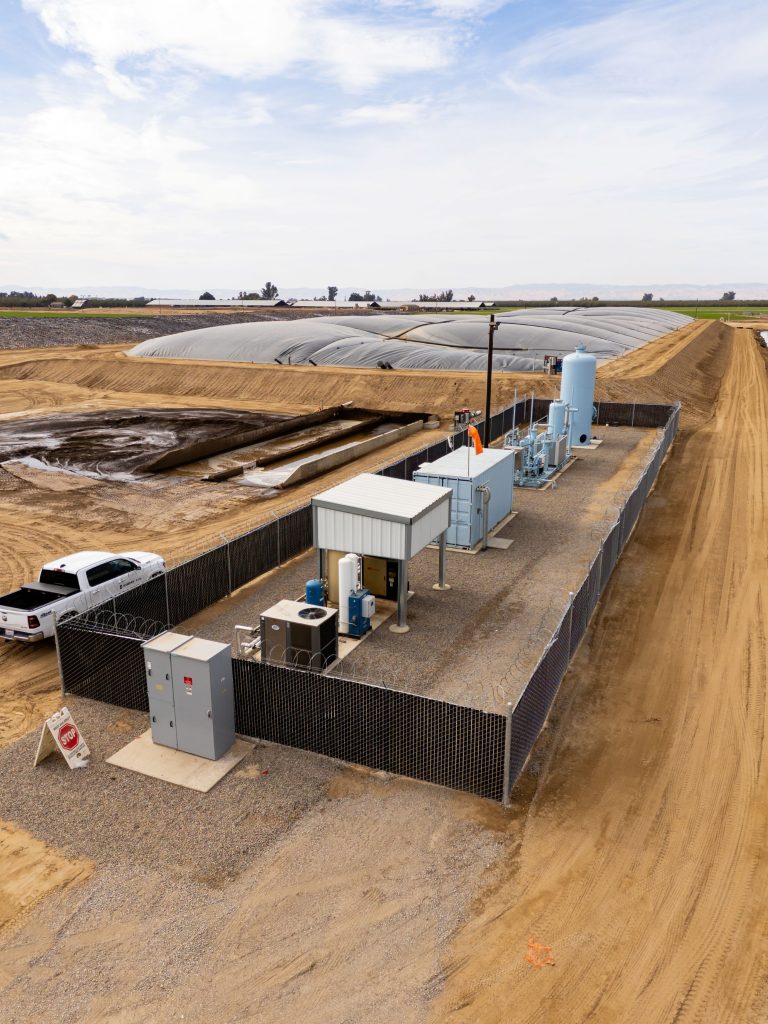
In 2019, the Hilmar Cluster was awarded more than $6.0 million total in grant funding for five projects: Ahlem Farms Dairy Biogas, Charles Ahlem Ranch Dairy Biogas, Clauss & Sunwest Dairy Biogas, James Ahlem Dairy Biogas & Nyman Brothers Dairy Biogas through DDRDP for the development of the cluster (Picture 2). Given the capital-intensive nature of these projects, DDRDP grants, which require a 50% match by awardees, have played a pivotal role in getting more projects built on California dairy farms.
Picture 2- Digester and Conditioning Plant (Hilmar, CA)
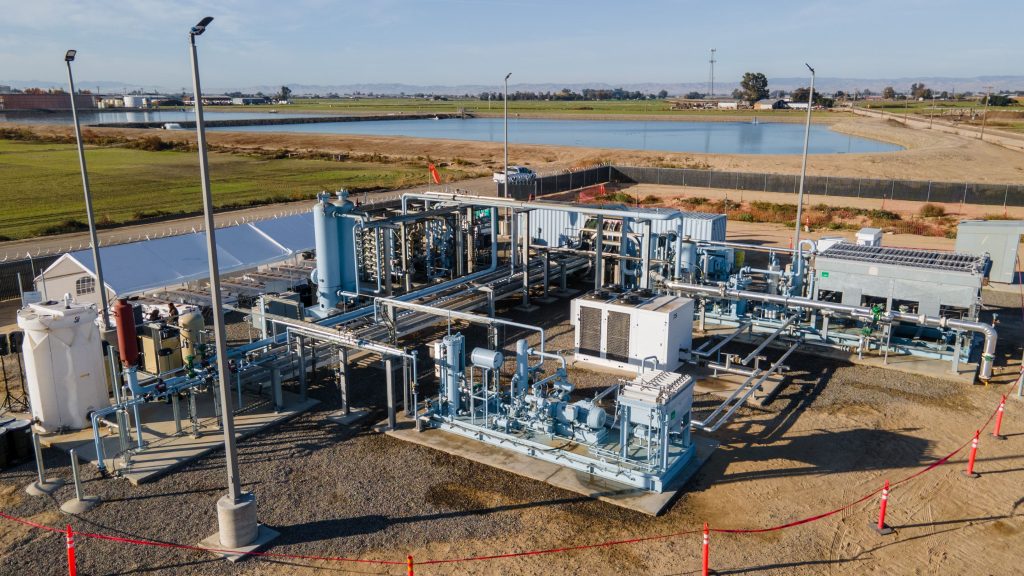
Comprised of eight (8) family farms (5 funded through DDRDP) and a strategic relationship with California Bioenergy (CalBio) and Chevron USA, the Hilmar cluster is simultaneously producing a new source of clean fuel in the form of renewable natural gas (RNG) while also reducing methane emissions. The dairy industry has continuously answered the call to do their part in progressing California’s climate goals with the Hilmar cluster being another prime example of farmers being catalysts for a cleaner future that will benefit the environment for generations to come. In the Hilmar cluster, each project is equipped with a covered lagoon that is double lined on the bottom with high density polyethylene plastic to ensure no leakage into the water table, thereby protecting and maintaining the water quality. As the manure flows into this lagoon, microorganisms will break down the manure to create biogas (primarily composed of methane, carbon dioxide (CO2), and hydrogen sulfide gases). The biogas is then captured, cleaned (with the hydrogen sulfide removed), and compressed before being sent via pipeline to a centralized processing facility to which all Hilmar projects are connected (Picture 3).
Picture 3- Hilmar Cluster processing facility and Interconnect Location
After the removal of carbon dioxide, the biogas (now biomethane) is injected directly into the nearby PG&E utility line and marketed as an alternative renewable fuel for trucks and buses. By doing this, the projects qualify for Low Carbon Fuel Standard (LCFS) credits issued by the California Air Resources Board (CARB). These credits can be monetized to provide the dairies with a new revenue stream.
Since the commissioning of all the Hilmar cluster projects in December of 2024, the projects have produced approximately 250,000 MMBtu of ultra-negative carbon intensity RNG, which is equivalent to 1.8 million gallons of diesel. In addition, the Hilmar projects have also accounted for reductions of over 95,000 metric tons of CO2 equivalent to date, which is equivalent to removing nearly 4,245 diesel trucks from the road each year. After 10 years the five DDRDP-funded projects are estimated to reduce 595,093 metric tons of CO2 equivalent.
In addition to the local environmental benefits, the Hilmar cluster has also partnered with the Hilmar Unified School District to provide six scholarships of $3,500 ($21,000) continuing education scholarships each year for two years for Hilmar High School seniors, a total of $42,000. With 63.8% of Hilmar students being socioeconomically disadvantaged[1], the support from the Hilmar cluster has been a positive boost for the community’s youth in pursuing further opportunities and success.
The Hilmar cluster demonstrates how climate-smart agriculture can drive both environmental progress and community uplift. By converting dairy manure into renewable natural gas, the projects cut methane emissions and support California’s clean energy goals. Its benefits extend beyond the farm, helping to strengthen the local economy and invest in the long-term well-being of Hilmar’s residents.
“The Hilmar Cluster is helping reduce greenhouse gas emissions in the Hilmar area while producing renewable natural gas (RNG) for the trucking industry—supporting cleaner transportation and improved air quality across California. This project is one of many that demonstrates the dairy industry’s strong commitment to adopting sustainable practices and driving environmental progress,” said Charles Ahlem, Partner Hilmar Jersey’s LLC.
California Climate Investments and GHG Reductions
The Hilmar Cluster represents a major step forward in climate-smart agriculture. Five projects in the Hilmar cluster are supported by grant funding from California’s Dairy Digester Research and Development Program (DDRDP), administered by CDFA and funded through California Climate Investments (CCI).
“AMMP and DDRDP are part of California Climate Investments, a statewide initiative that invests billions from Cap-and-Trade dollars into reducing greenhouse gas emissions, boosting the economy, and enhancing public health and the environment—especially in disadvantaged communities.”
As we step into 2026, I want to take a moment to reflect on our progress in 2025 and share what lies ahead for OARS in the coming year. At OARS, we remain committed to building a sustainable and thriving future for California’s farmers and ranchers. Shifts in climate and the environment continue to challenge producers to adapt and innovate. In the last year, sharp changes in the costs of doing business, regulations and markets have layered additional challenges.
The resilience of our state’s producers is impressive and I’ve enjoyed every opportunity I’ve had to visit farms and ranches and learn not only how producers are adapting to the present moment, but how they are preparing the ground for the next generation. It is our privilege in OARS to advanced science-driven solutions and strengthen partnerships to help producers navigate these challenges and plan for the future.
Looking ahead, 2026 marks an exciting new chapter. Thanks to the passage of Proposition 4, the $10 billion Climate Bond approved by voters in November 2024, CDFA received critical new funding to expand climate-smart agriculture: $40 million for the State Water Efficiency Enhancement Program (SWEEP), $65 million for soil health and carbon sequestration practices that we will use to support the Healthy Soils Program (HSP), and $15 million to launch a new Equipment Sharing Program (ESP).
We are pleased to share that public comment is now open on the draft Application for Guidelines and Grant Award Procedures for both HSP and SWEEP. Your feedback during this public comment period is essential as we refine these programs and prepare to launch the next round of climate-smart investments. Visit our Climate Bond Funding for Climate Smart Agriculture webpage for more information.
I’m grateful for your continued dedication, and I look forward to the work we will do together to build a stronger, more resilient agricultural system for generations to come.
OARS has been working on the preparation of a rulemaking to make amendments to the Cannabis Appellations of Origin program (CAP). The CAP was established through voter-initiative with the passage of Proposition 64 in 2016 and CDFA is responsible for establishing the rules for participation in the program and administration of the program. An appellation of origin legally defines products and production methods of specified geographic regions, protecting them from false or misleading labelling and marketing.
CDFA’s CAP incorporates aspects and traits of various established appellation programs for agricultural products throughout the world, like wine, and applies them to the context of the California cannabis industry. The program will only be available to licensed outdoor cannabis cultivators. Cultivators must submit a petition in accordance with regulations to establish an appellation of origin. This program will promote regional cannabis products and local businesses, prevent the misrepresentation of a cannabis product’s origin, and support consumer confidence about a cannabis product’s origin and characteristics.
CDFA released the latest rulemaking on January 2, 2026. A 45-day public comment period will run until midnight on February 17, 2026. The proposed changes reduce the number of cultivators per appellation of origin petition from 3 to 1 and provide clarity on the usage of names in conflict with an approved appellation of origin. To learn more about the program, the open rulemaking, and how to comment, please visit the program’s webpage at cdfa.ca.gov/oars/cap.
As the rulemaking proceeds, we look forward to updating stakeholders and the public on the program’s opening, currently expected for summer 2026. For questions, please contact the program directly at CannabisAg@cdfa.ca.gov