A Note from Our Director | May 2026

Dear Partners and Stakeholders, 

Spring is in full swing and, as always, we are energized by seeing the fields come alive with bee boxes, new plantings, fascinatingly complex farm equipment, and, of course, farmers hard at work stewarding the land and bringing food to our tables.  

At the beginning of Healthy Soils Week, I had the pleasure of visiting Westwind Farms in Woodland with the Almond Board and hearing Kirk Pumphrey share his experience recycling almond hulls and shells as mulch in his orchard. He also spoke about his research partnership with UC Davis’ Tanya Gerperle-Goncalves to better understand the impacts of these practices. The farmers attending that event had great questions about how these practices could translate to their own operations and what benefits they might expect, giving me insight into where they saw opportunities and where the challenges lie in broader adoption.  

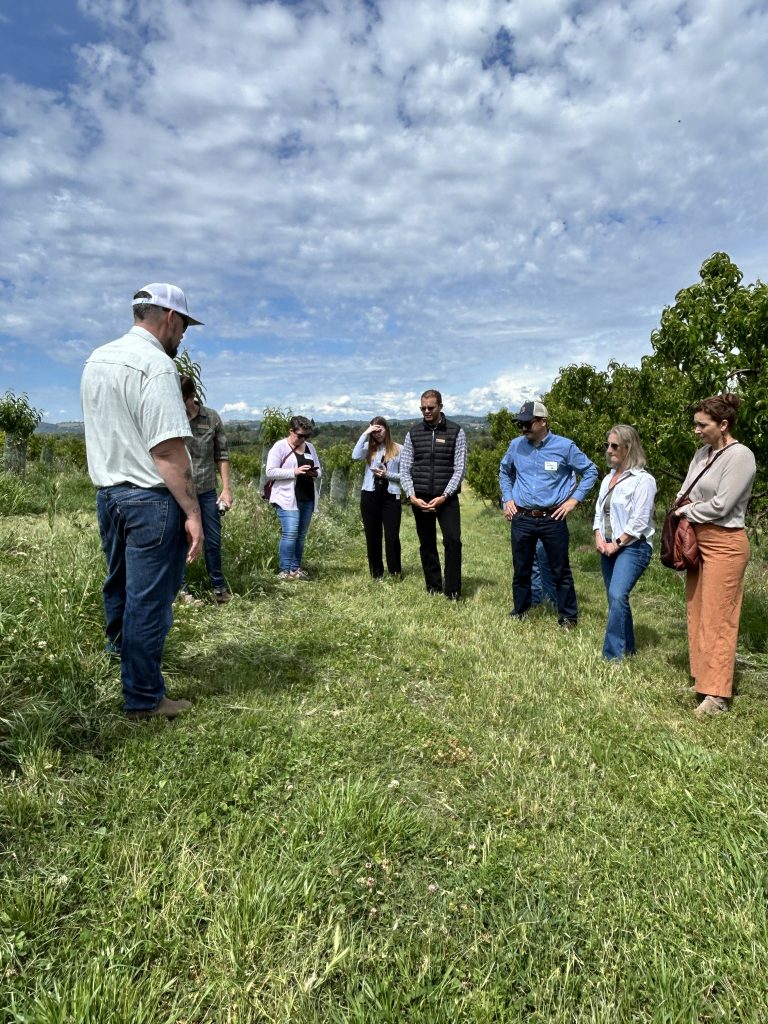
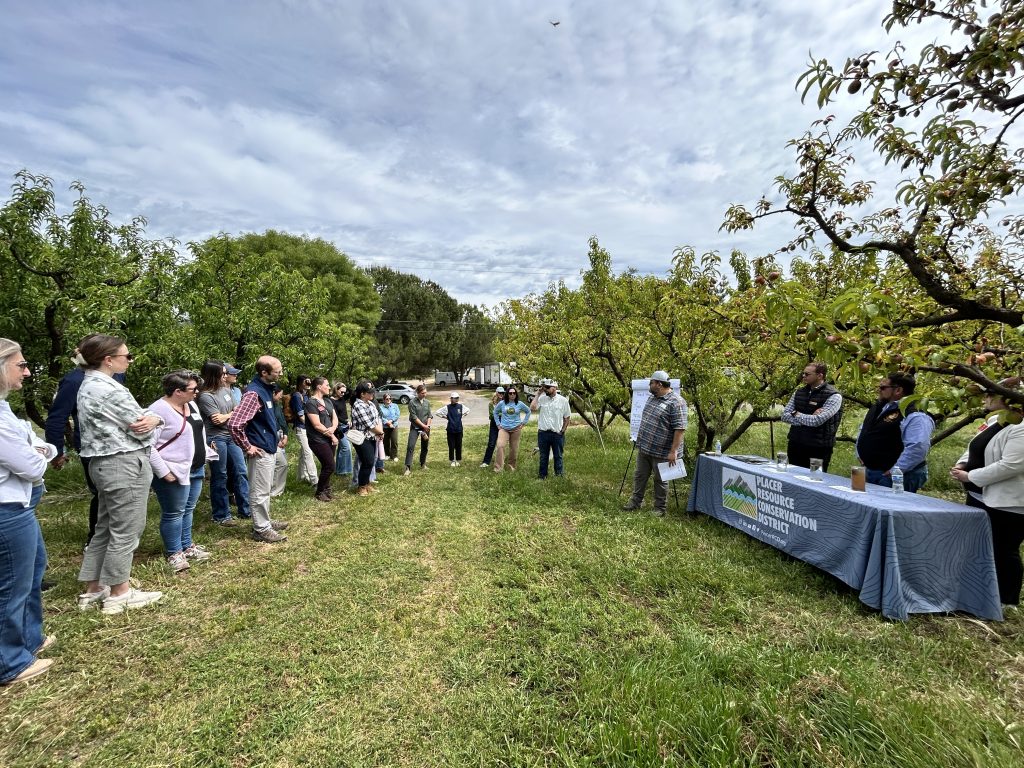
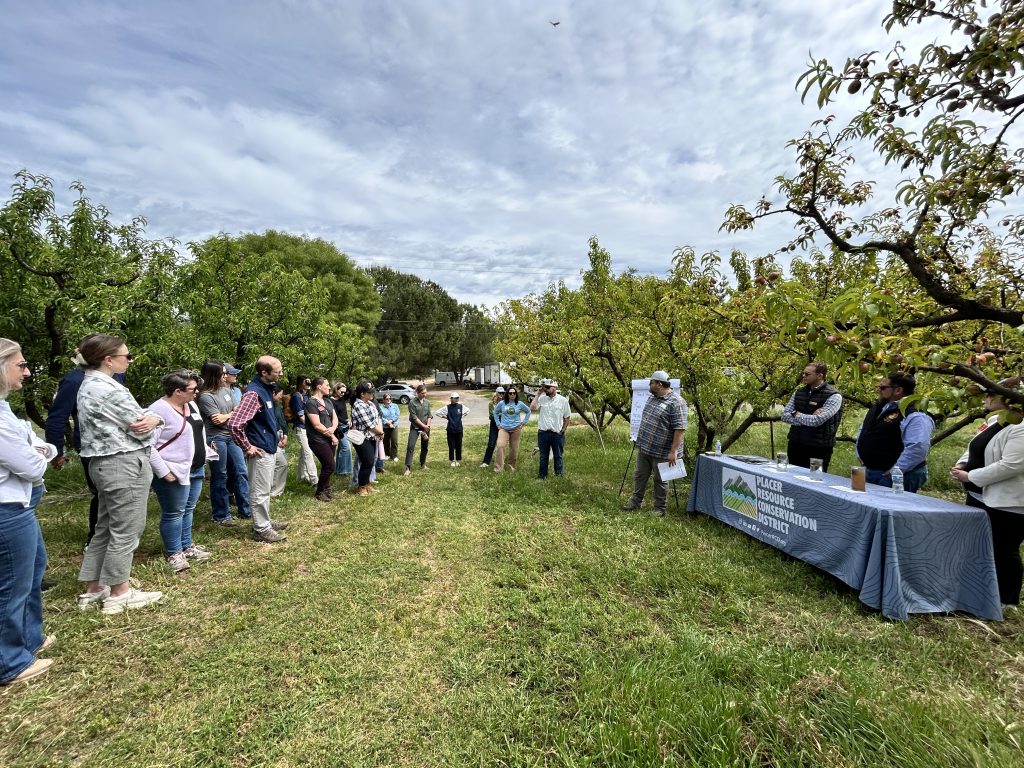
Later in the week, we visited Twin Peaks Orchards in Newcastle and toured their operation with co-owner Justin Miller and staff from the Placer Resource Conservation District. It was inspiring to see their partnership in implementing a project supported by OARS’ Healthy Soils Program (HSP) Block Grant and to see our friends at the Community Alliance for Family Farmers create an excellent learning environment for the legislative offices and state government leadership in attendance.  

I left Healthy Soils Week with the renewed sense of purpose I needed to sit right back down in front of this computer and keep collaborating with stakeholders and my staff to strengthen and improve our grant programs. We look forward to reviewing HSP and State Water Efficiency Enhancement Program (SWEEP) concept proposals soon and to beginning outreach for our equipment sharing program this spring and summer. 

I hope you are finding similar inspiration in the bustle of spring. 

Sincerely, 

Dr. Tawny Mata
Healthy Soils Week in Action at Twin Peaks Orchards

On April 9, Healthy Soils Week was marked with a memorable tour of Twin Peaks Orchards in Newcastle, offering a firsthand look at how state investments in soil health are supporting resilient farms and sustainable food systems across California. The Office of Agricultural Resilience and Sustainability (OARS) partnered with the Community Alliance of Family Farmers (CAFF) to bring together legislative staffers, CDFA personnel, and a Cal Recycle team led by the agency Director, Zoe Heller, to see how climate-smart practices are improving soil function while contributing to a circular economy. 

Twin Peaks Orchards, a Healthy Soils Program (HSP) awardee led by Justin Miller, provided a compelling example of how these investments translate on the ground.  During an in-orchard demonstration, Placer RCD Agricultural Program Manager Brian Pimentel used a “slake test” to illustrate how adding organic matter improves soil structure and reduces erosion — benefits that are especially critical in this cultivated hilly region. In the demonstration, only soil clods from fields which had received organic additions for several years were shown to remain intact when they were submerged in water.   

Miller emphasized that soil health practices get better with time, often requiring several years to fully realize benefits. However, he noted that practices like cover cropping ultimately pay off—improving water retention, increasing resilience to heat, and reducing the impacts of extreme weather. These outcomes align directly with the goals of the Healthy Soils Program: to build climate resilience while supporting agricultural productivity. 

Miller highlighted that maintenance of practices without ongoing financial support is a key challenge. While programs like HSP play a critical role in helping farmers initiate new practices, farmers that continue the investment realize much greater environmental and economic benefits. Essentially, the more experience that a producer has with soil health practices, the more they value them. This may help explain why, among awardees of HSP’s first funding rounds responding to a survey, practice persistence rates were higher for those that had experience with the practice prior to their HSP project. 

  • Cover-cropping: 77% with previous experience persisted vs. 67% first-time adopters 
  • Composting: 82% with previous experience persisted vs. 51% first time adopters 
  • Edge of field practices: 73% with previous experience persisted vs 58% first-time adopters.  (Babin et al., 2025) 

Healthy Soils Week serves as a reminder that soil health investments go beyond benefits at individual farms. They support broader climate goals, strengthen local food systems, and help preserve California’s agricultural legacy. At Twin Peaks Orchards, where a multigenerational story rooted in perseverance continues to evolve, those benefits are visible in every row of trees and every handful of soil. 

How OPCA Is Making Sense of California’s Pesticide Use Trends

California leads the nation in data transparency through the collection and sharing of pesticide use data, providing stakeholders, state agencies, and the public with valuable insights into pest management throughout the state. The Pesticide Use Reporting (PUR) Database maintained by the California Department of Pesticide Regulation (DPR) serves as a resource for the public to track and understand how pesticide use has changed in California over the past decades. Every year, DPR releases their Pesticide Use Annual Report to highlight short-term and long-term pesticide use trends by commodity and categories of interest (e.g. biopesticides, carcinogens, toxic air contaminants) to inform actions to mitigate potential impacts to human health and the environment and to inform California’s transition to safer, more sustainable pest management. 

California’s agricultural landscape is constantly evolving in response to the development of new technologies, novel pest threats, and the changing climate. Furthermore, the diversity of California’s specialty crops means different types of growers must use different pest management strategies to adapt to new conditions. To better understand what specific factors are driving changes in important categories of pesticide use, CDFA’s Office of Pesticide Consultation and Analysis (OPCA) has published a report on how individual crops and pesticide active ingredients contributed to changes in the use of pesticide categories of interest between 2022 and 2023.  

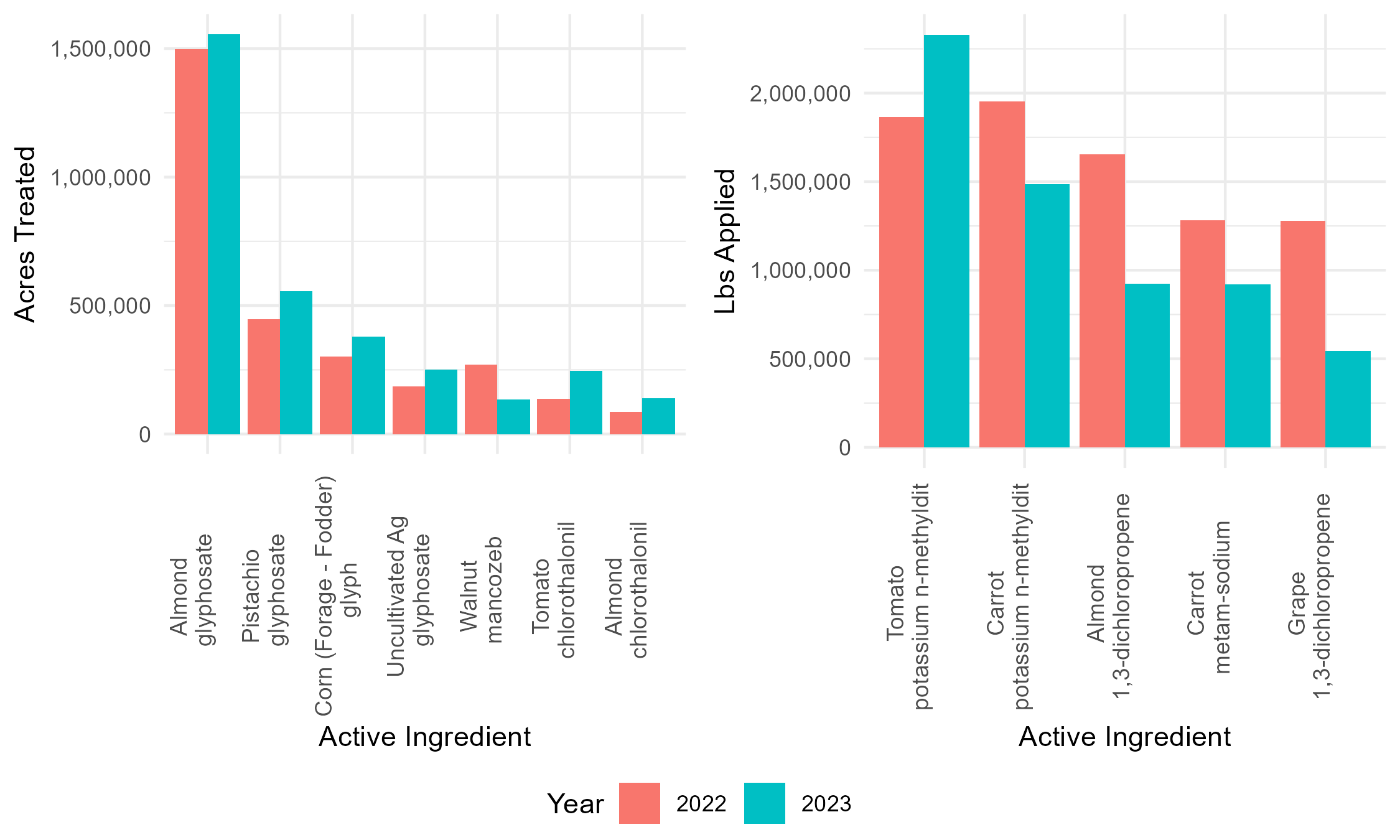
In many cases, the use of specific pesticide active ingredients increased in one crop while it decreased in another, highlighting the complexity behind total annual changes in pesticide use categories. For example, DPR’s Annual Report shows that the total pounds applied of pesticides classified as carcinogens decreased by 6% from 2022-2024, but the acres that received treatments of pesticides classified as carcinogens actually increased by 6% in the same period. OPCA’s report breaks down the specific uses of each pesticide in the carcinogen category to show that glyphosate use increased in almond, pistachio, and corn and drove up the number of acres treated, while fumigant use fell in carrots, grapes, and almonds, driving down pounds applied.  

Changes in Use of Pesticides Classified as Carcinogens by crop from 2022-2023.  

The OPCA report also shows that many changes in annual pesticide use are driven more by how many acres of a crop are grown that year rather than any changes in management practices by growers. While the use of the herbicide thiobencarb doubled in rice production between 2022 and 2023, California grew twice as many acres of rice in 2023 compared to 2022. This highlights the importance of looking at how individual crop systems change and how specific pesticide products are used in order to accurately interpret how pesticide use data reflects in-field conditions and to evaluate how state policies and programs are effectuating changes in pest management practices. The full report contains many actionable insights into pesticide use across categories and throughout the state. 

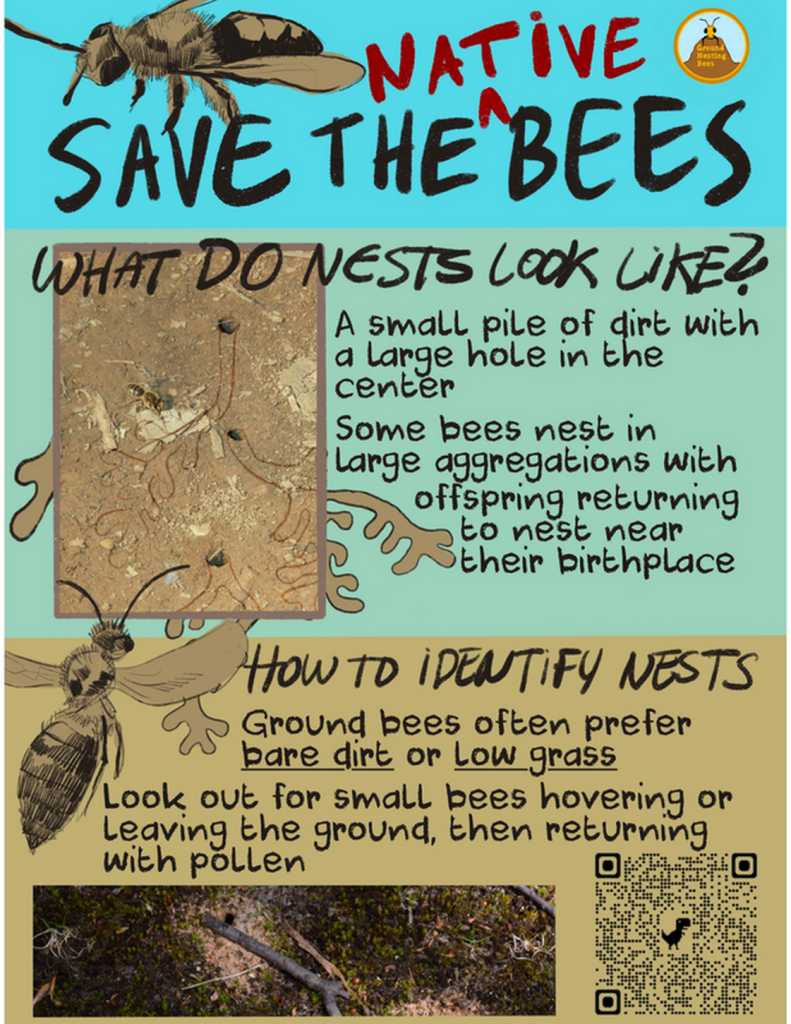
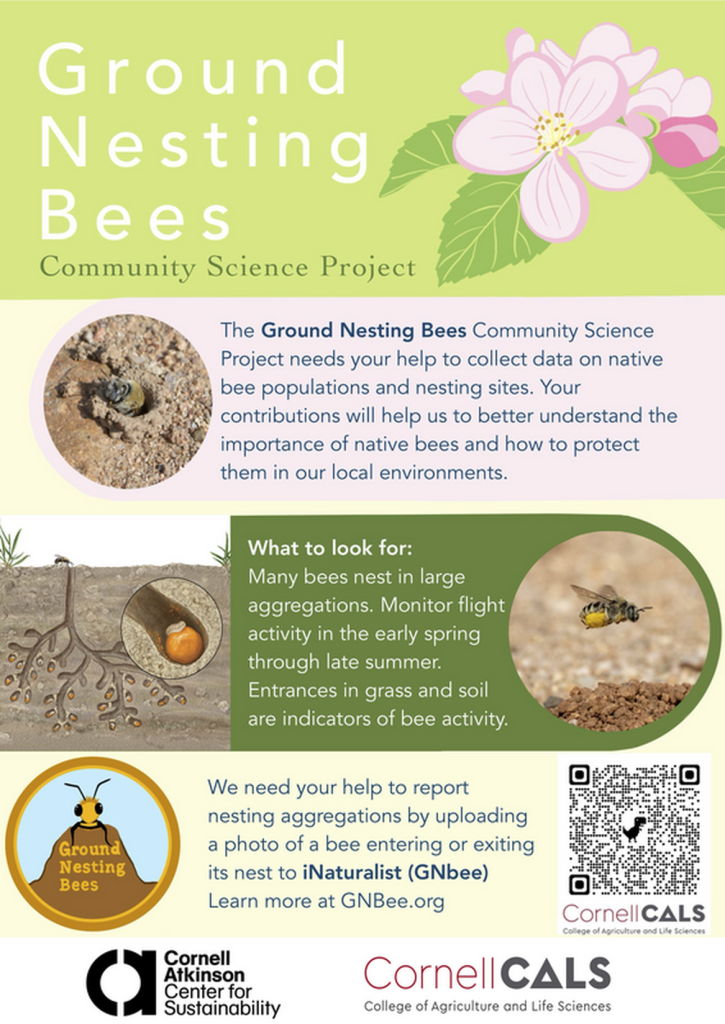
Community Science Ground Nesting Bees Project

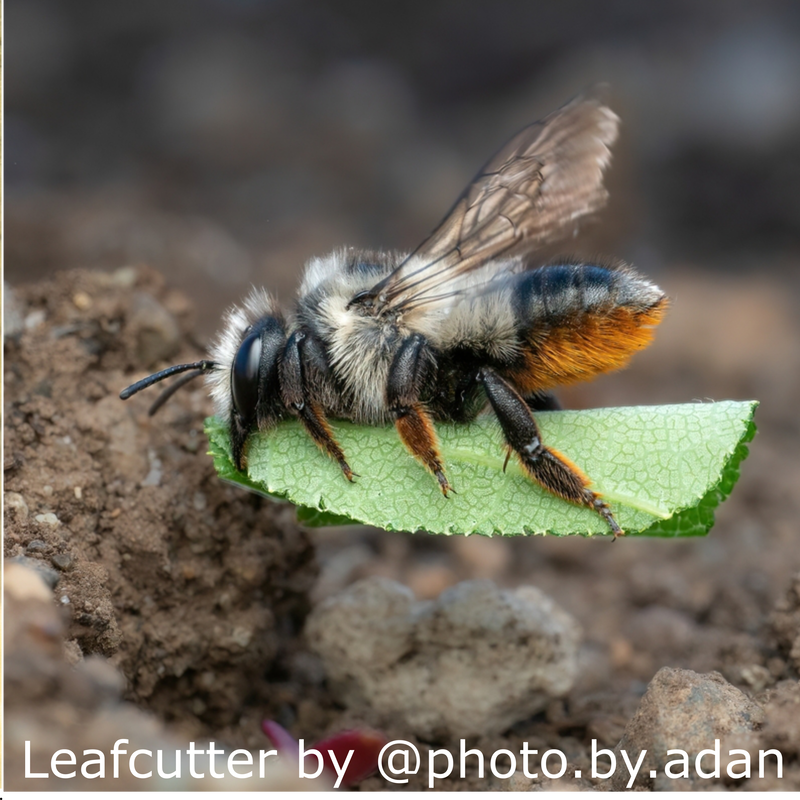
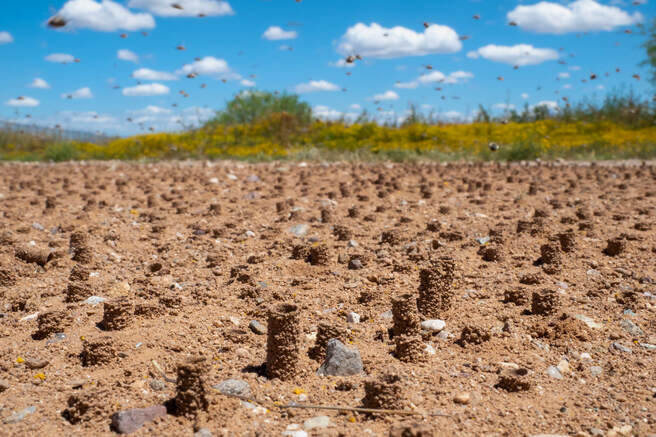
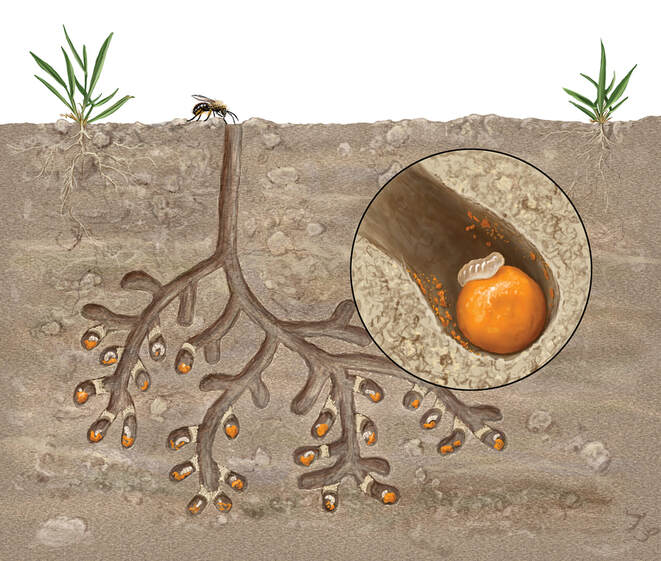
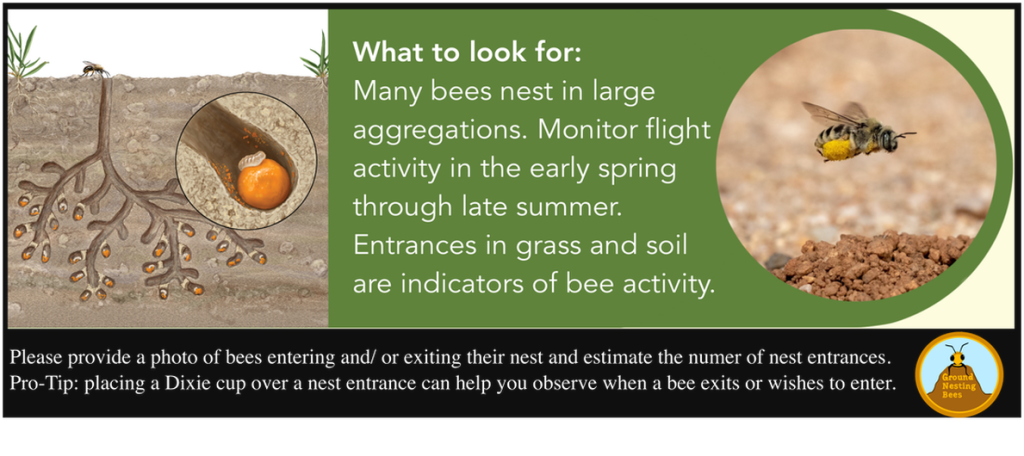
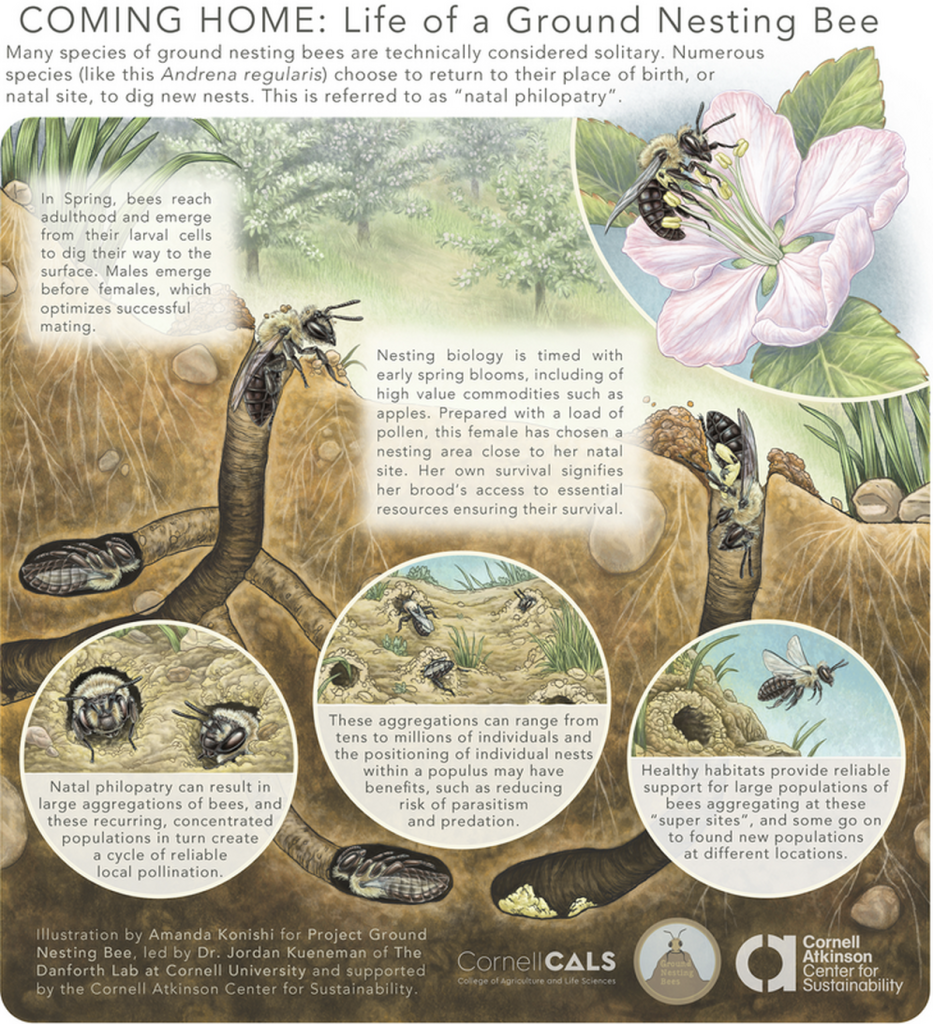
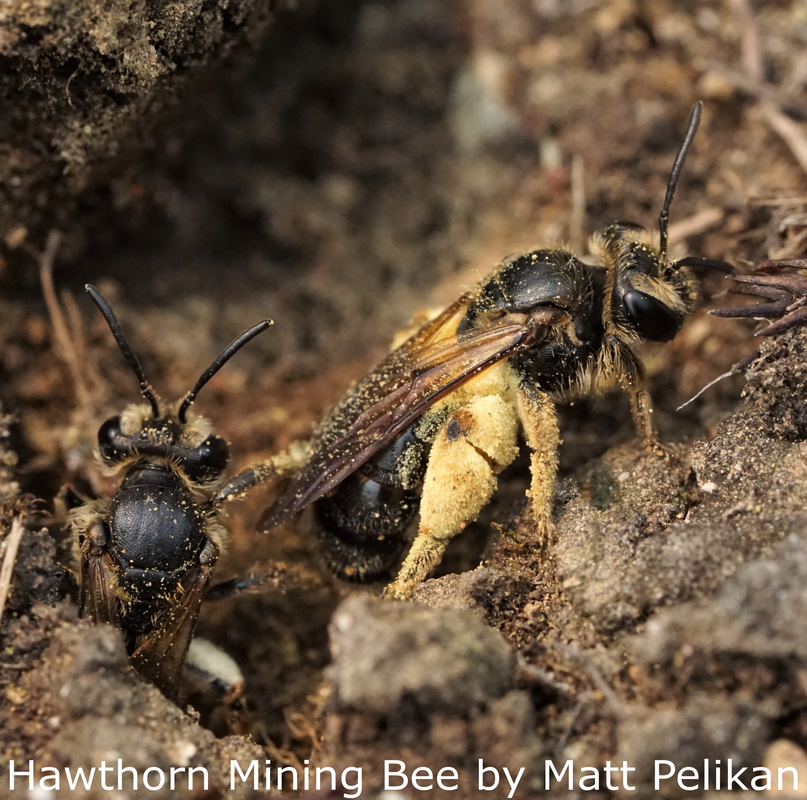
Bee pollination contributes hundreds of billions of dollars annually to the global economy. Wild bees provide free pollination services to farmers, which significantly improve both the quality and quantity of crop yields. Seventy percent of wild bees nest in the ground and some species form large, long-standing nesting sites while others are more solitary. Our knowledge on the ~20,000 global bee species is lacking despite their importance to supporting ecosystem resilience, agricultural sustainability, and food security. Conservation efforts have historically focused on plants, leaving critical gaps in our understanding of bee nesting biology.  

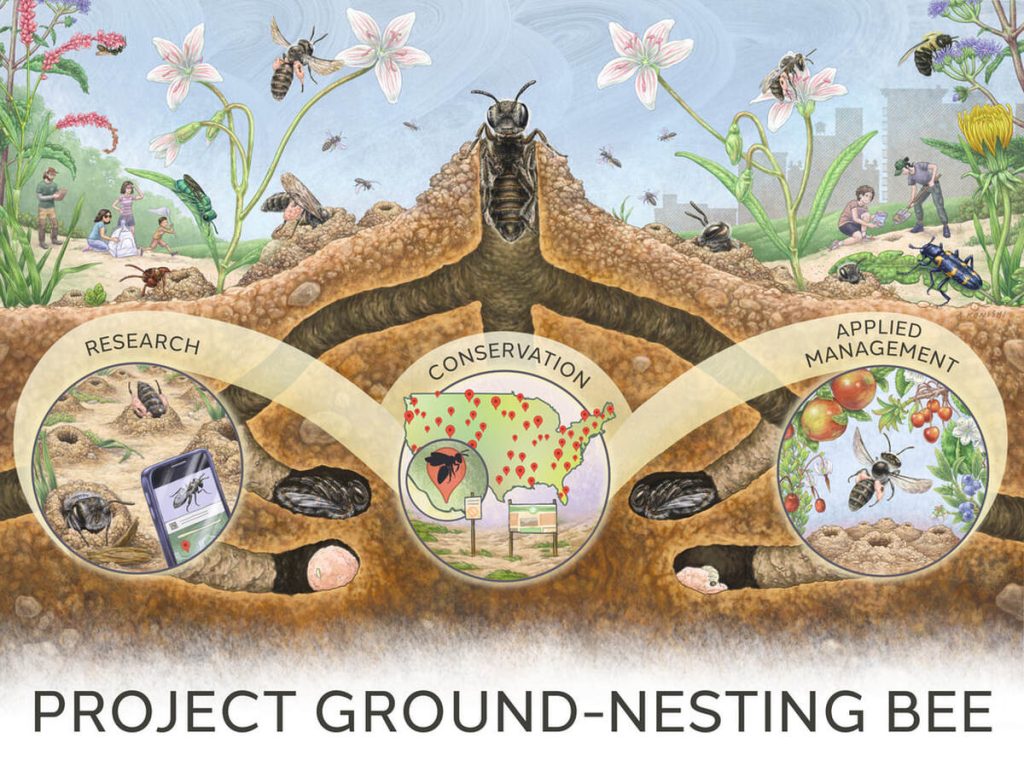
Launched in June 2023, Project GNBee brings together a broad coalition of community scientists, researchers, and institutions to establish a national monitoring program for ground-nesting bees. The project has three primary goals to address the lack of understanding of native bee nesting biology. 1) Discover, document, and study the nesting requirements of ground-nesting bee sites; 2) protect nesting sites and assess associated health risks to bees; and 3) develop multiple management strategies for agriculture.  

Project GNBee is progressing our knowledge of native bee nesting behavior. This effort will help pollinator biodiversity and promote a resilient, diverse pollinator community, vital for the health of ecosystems and agricultural economies. 

Learn more about the project here.  

You can help contribute to this project and advance our knowledge of native bees by uploading photos to the iNaturalist projectHere’s how to upload photos to iNaturalist.  

If you take videos of ground nesting bees, please send them to groundnestingbees@gmail.com.  

An Alternative to Dacthal 

Author: Kari Arnold, PhD, Western Region IR-4 Associate Director, Environmental Toxicology Dept., UC Davis 

On October 22, 2024, EPA prohibited the use of all products containing the herbicide dimethyl tetrachloroterephthalate (Dacthal or DCPA) under the Federal Insecticide, Fungicide and Rodenticide Act (FIFRA). Although the reason for the cancellation was based in science, the decision left many vegetable growers in California at a loss for how to manage weeds at planting. CDFA’s Office of Pesticide Consultation and Analysis (OPCA) has been supporting research into herbicide alternatives through the IR-4 Project, a federal research program ensuring that specialty crop farmers have legal access to safe and effective crop protection products as regulations evolve. Through IR-4, OPCA has funded researchers spearheading the effort to register pyraflufen-ethyl, an alternative to Dacthal. 

EPA’s cancellation came in response to robust studies demonstrating thyroid toxicity related to unborn babies of mothers exposed to Dacthal via handling or working in areas where it was recently applied. Prior to cancellation, Dacthal filled a niche use pattern most herbicides couldn’t. As a “pre-emergent” herbicide, it could limit the emergence of existing weed seed populations in the soil. Dacthal provided this type of protection long enough for a vegetable crop canopy to grow in, but with little to no injury to the various crops listed allowed to use it. This unique capability made many vegetable crops reliant on Dacthal as an integral step in their Integrated Pest/Weed Management (often referred to as IPM) Program. 

Steven Fennimore, a retired UC Davis Professor of Cooperative Extension, invited me down in early 2023 to visit his USDA Salinas station weed management studies. While walking to the trials, he remarked that many specialty crops have been reliant upon the same herbicide chemistries for 60 years, and that we need to see if there are applicable alternatives. Part of Steven’s career consisted of collaborations with registrants and IR-4 to broaden the range of options for vegetable growers to accomplish that goal. In terms of Dacthal alternatives, pyraflufen-ethyl was one material of interest. Although this is a contact herbicide, meaning it must contact the weeds to work and cannot be used before weeds emergeSteven and the registrant, Nichino America Inc., had been testing varying rates and application times to determine an acceptable crop injury use pattern for an over-the-top application to onions and garlic. If successful, this material could control early emerging weed populations during the initial stages of crop development.  

Although there was till on-going research at that time, I encouraged Steven to submit the request in 2023. With support from CDFA-OPCA, the registrant, and Western Growers, submission was prioritized at the IR-4 Food Use Workshop and moved forward for the 2024 field research season. Given our current timeline, the product should be available to growers by 2030.