Supporting Spanish-Speaking Farmers in Monterey County with Training on Water Use Efficiency

The California Department of Food and Agriculture (CDFA), through its Office of Agricultural Resilience and Sustainability (OARS), is helping California farmers grow more sustainably through the Water Efficiency Technical Assistance (WETA) program. This initiative funds local organizations to deliver critical on-the-ground support in three main areas: 

Conducting distribution uniformity (DU) testing for irrigation systems, 

  • Facilitating pump efficiency tests to assess irrigation pump performance, and 
  • Developing and delivering training focused on water and nutrient management. 

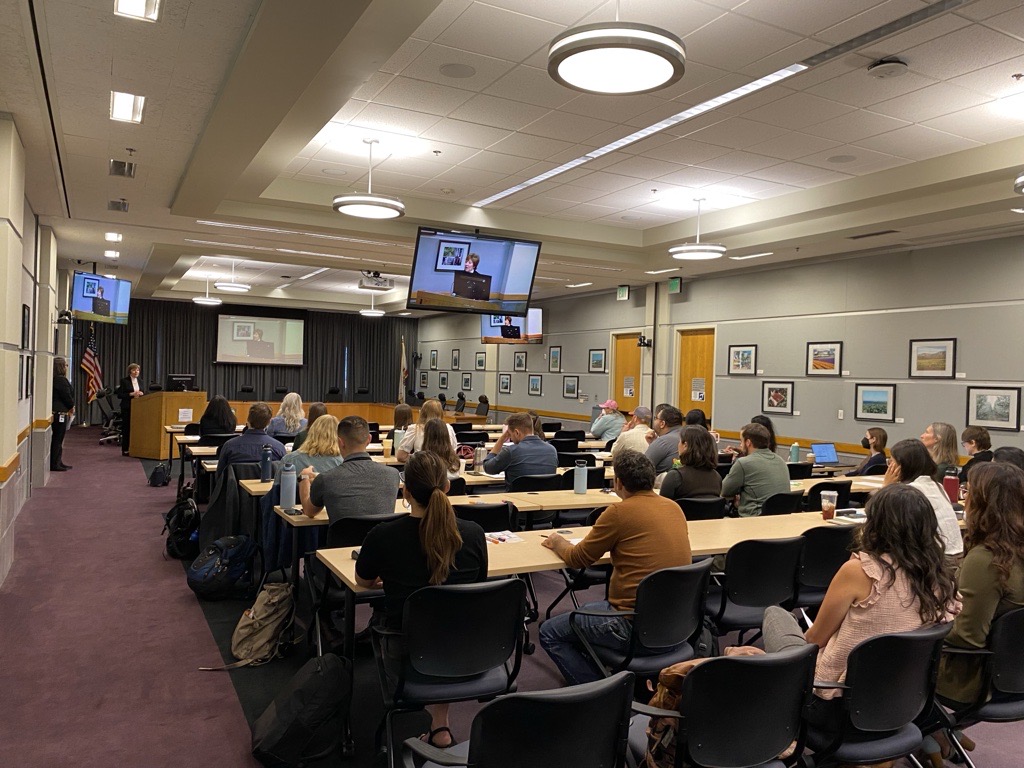
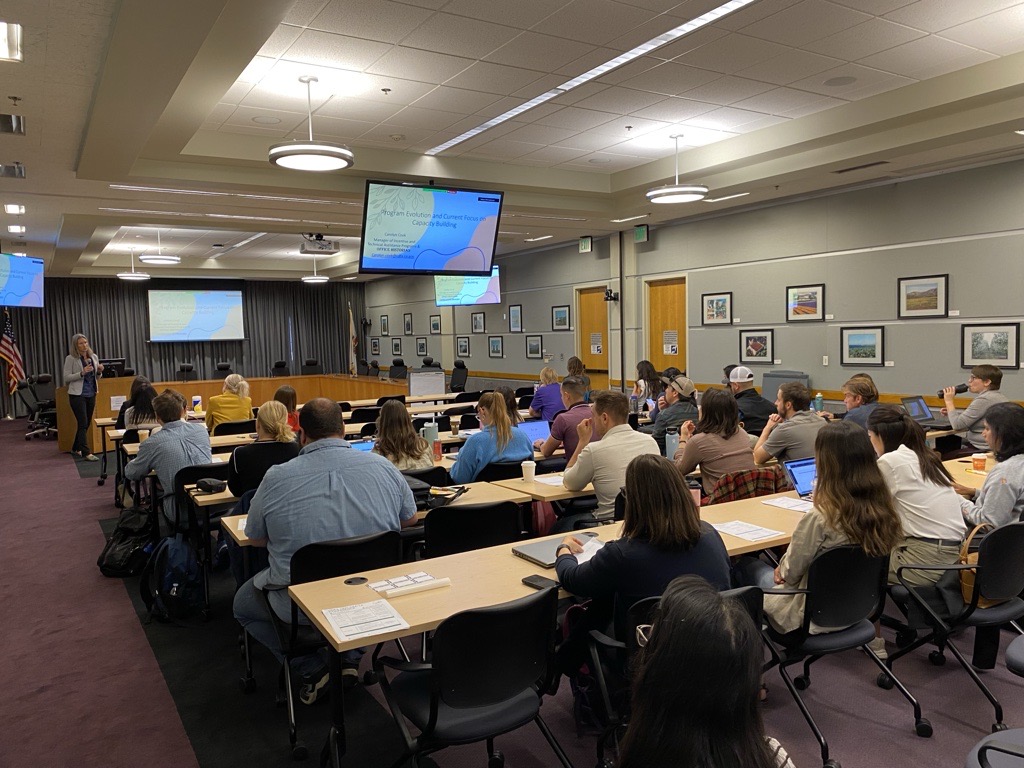
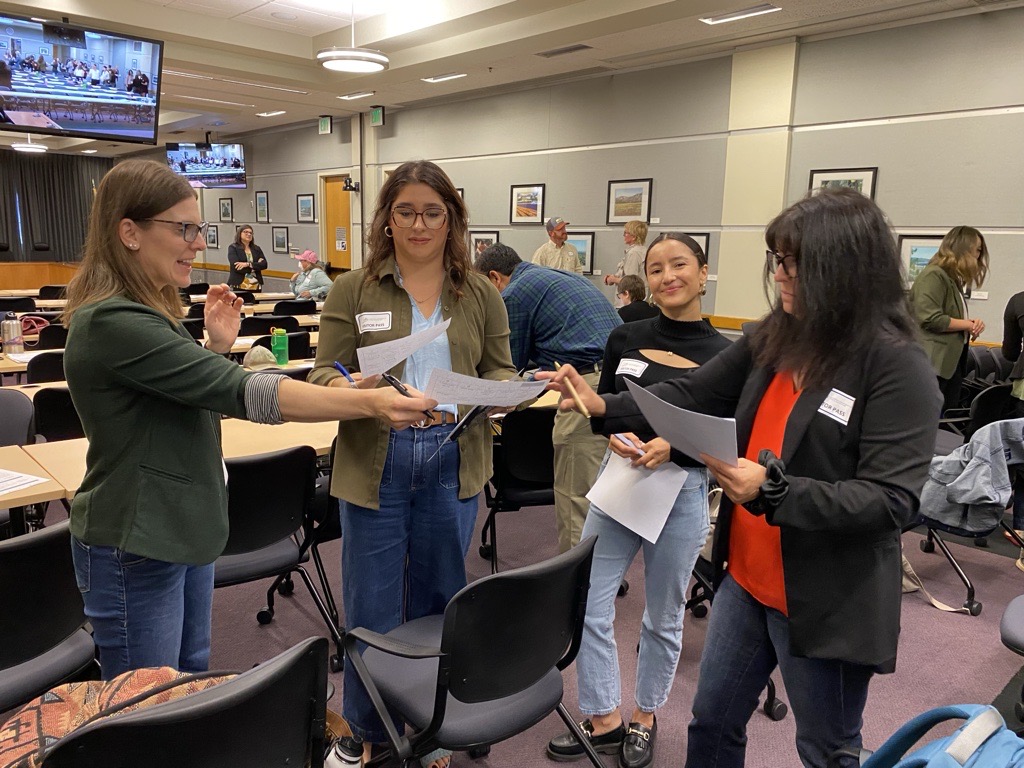
One standout example of this work is happening in Monterey County, where the Resource Conservation District of Monterey County (RCD MC) applied for and received WETA funding in 2022. As part of their proposal, RCD MC made a strategic choice to create educational resources for Spanish-speaking farmers and ranchers—a group that comprises nearly a quarter of all agricultural producers in the county, according to the 2022 USDA Census of Agriculture. The goal: ensure more farmers understand how to optimize water and nutrient use—two critical elements of sustainable, cost-effective farming. 

One key resource developed under this initiative is a series of Spanish language training videos created to share knowledge on optimal water and nutrient management  techniques, promoting farmer-to-farmer learning. In this video, Celsa Ortega, the owner of Induchucuiti Farms and a graduate of the Agriculture and Land-Based Training Association (ALBA), discusses her use of low-pressure, uniform drip irrigation systems and underscores the importance of maintaining high distribution uniformity across a field. Celsa’s real-world experience and insights into effective water use reinforce how small improvements can lead to big savings in water, energy, and overall efficiency. 

The video, along with other training materials and assistance supported by the WETA grant, serves as a powerful tool to help growers: 

  • Identify inefficiencies in irrigation systems, 
  • And take action to improve system performance. 

Without WETA funding, these services—including DU and pump testing—would likely have required out-of-pocket expenses from farmers or gone unperformed entirely, leading to unnecessary water and energy waste. By offering this assistance at no cost to the grower, RCD of Monterey County is helping farms become more resilient, productive, and sustainable. 

While providing no-cost distribution uniformity and pump tests are core parts of the WETA program, developing training materials —especially in accessible formats like video—is valuable since it can reach a wide audience and have a lasting impact beyond the end of the WETA grant term. 

RCD MC’s initiative demonstrates how tailored, inclusive outreach can drive meaningful change on the ground. By speaking directly to the needs of Spanish-speaking farmers, they’re not just improving irrigation systems—they’re strengthening the future of agriculture in California. 
Investing in Impact: How the OARS Team Helps Deliver Climate Solutions on California Dairy and Livestock Farms 

The CDFA Office of Agricultural Resilience and Sustainability (OARS) is dedicated to supporting California’s dairy and livestock farmers in their efforts to reduce greenhouse gas (GHG) emissions. As proof of that, the CDFA’s Alternative Manure Management Program (AMMP) and Dairy Digester Research and Development Program (DDRDP) awarded nearly $25 million in April 2025 to support the implementation of manure management projects on farms across the state. But these awards represent more than funding—they reflect months of technical work, partnership, and a shared commitment to climate-smart agriculture.  

Behind each award is a rigorous, multi-layered review process led by the dedicated OARS staff and program partners. This process is designed to be fair, transparent, and results-driven, ensuring that projects selected will lead to long-term, measurable methane reductions and maximize social, economic and environmental co-benefits, like enhanced nutrient management and alternative revenue streams from waste products. 

It begins with administrative and financial reviews to verify that applications meet the department’s requirements. Then, experts from academia all over the country conduct a comprehensive technical review, evaluating proposed projects based on their potential to reduce methane emissions and achieve other benefits.  

After that, OARS invites the input of the Technical Advisory Committee (TAC), comprising state and federal agency individuals with expertise in manure management, methane reduction measures, environmental impacts, and permitting in California, playing a crucial role of making sure the CDFA is selecting the best applicants within the competitive pool of candidates. In preparing the funding recommendations, OARS considers applicants’ past performance on previous grants, including their ability to complete projects on time, on budget, and deliver results. This careful and considered approach enables the selection of the most effective and impactful projects. Once the applicants are selected, the OARS team contacts each awardee and educates them on the next steps in the grant process, which are accomplished through emails, webinars, video calls, and engagement of OARS’ free-of-charge technical assistance providers when possible. 

One important note: the ideal time for public input—especially regarding scoring criteria or program rules—is during the drafting of the Request for Grant Applications (RGA), before CDFA accepts applications. Once rules are finalized and the application period begins, CDFA is unable to change them. That’s why early engagement from the public, including producers, stakeholders, and advocacy groups, is crucial to shaping a program that serves all Californians.   

By supporting manure management practices that reduce methane emissions, CDFA OARS is driving meaningful change on California’s dairy and livestock farms and supporting the state’s climate and environmental goals. These efforts are making California a better place to live and grow food, with cleaner air and water, and a more resilient agricultural industry. The state investments in climate-smart agriculture are paying dividends, and the benefits will be felt for generations to come. As the state continues to lead the way on climate action, the CDFA OARS remains committed to supporting innovative solutions that benefit the environment, the economy, and the people of California. 

Author: Roberta Franco

CDFA Looks to Get Ahead of Invasive Agricultural Pests

California leads the nation in specialty crop production, growing more than 400 different crops across its diverse agricultural landscape. With such variety comes a complex web of pest management challenges that demand innovative, research-driven solutions. The OARS Office of Pesticide Consultation and Analysis is continuously working to support pest management that meets agricultural needs and state policy goals. One way we do that is through our Adaptive Integrated Pest Management (IPM) for Invasive Agricultural Pests grant program, which is currently accepting applications.  
 
The program’s goal is to develop IPM program(s) or components that can be rapidly implemented when new invasive agricultural pests arrive and become established in California or when recently arrived invasive pests resurge or expand their range or host species. The program also supports research to refine and optimize existing IPM strategies to improve their effectiveness or exploring additional control measures against established invasive agricultural pests that drive extensive pesticide use but remain uncontrolled due to developed pesticide resistance. If you are researching innovative ways to control invasive pests, check out the Request for Proposals.  

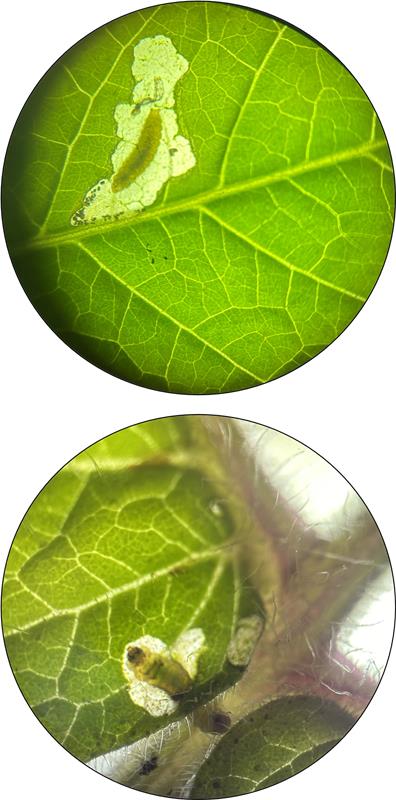
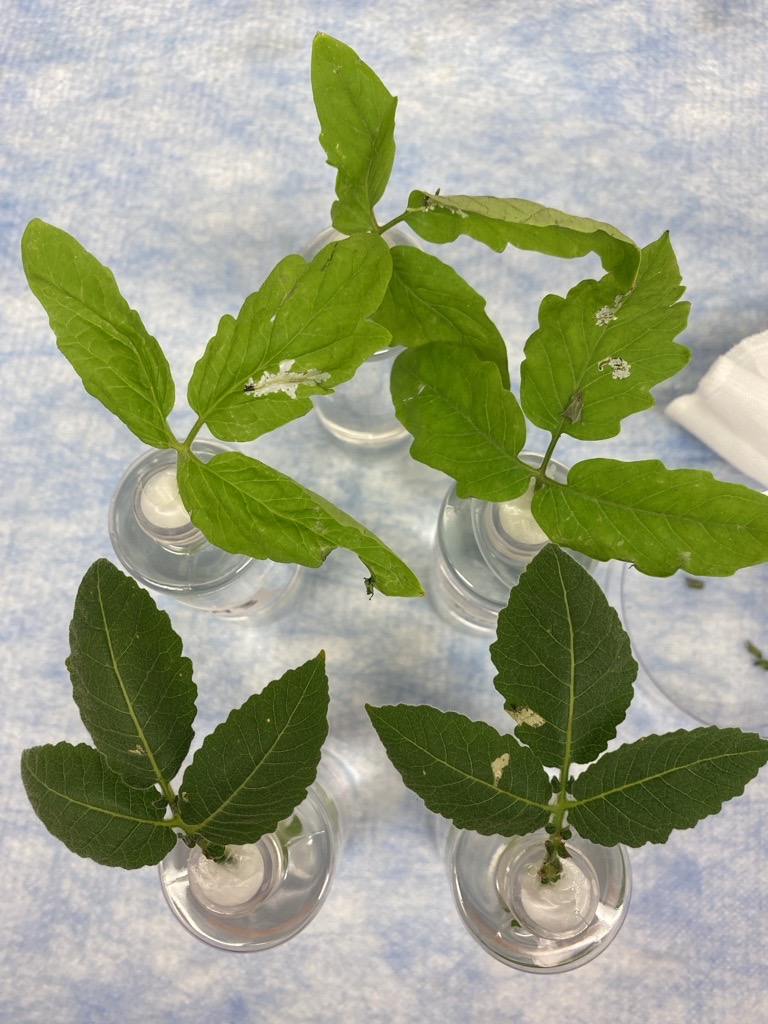
One previously funded project that recently completed is ‘A proactive approach to prepare for the invasion of Tuta absoluta into California’ lead by Dr. Ian Grettenberger. This project addressed the South American tomato leafminer, Tuta absoluta, a devastating pest of tomatoes of high concern to California. If T. absoluta invades California, there will be an immediate need for management information to address its spread and to protect tomato production. Because T. absoluta has been spreading through other parts of the world, there is the opportunity to adapt existing knowledge to California’s needs.  

Management tactics tested include chemical management, biological control via indigenous and introduced natural enemies, and cultural management through variety resistance and plant breeding. Information on these methods will help growers and officials in the short-term and will help provide long-term solutions for T. absoluta in California.  

Author: Kevi Mace

Supporting Biodiversity in Olives: A Regenerative Approach to Habitat Integration

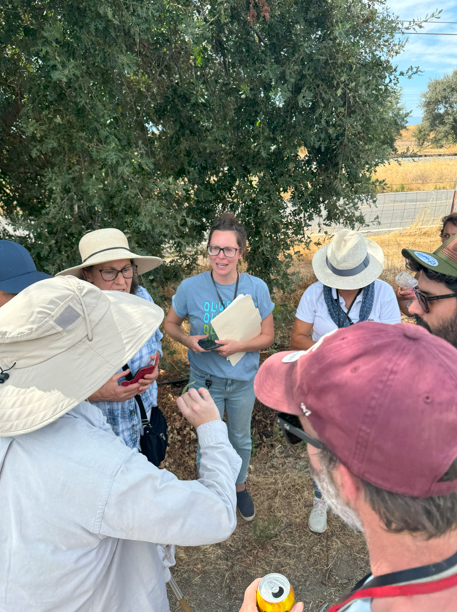
At the International Olive Sustainability Conference, the Center for Regenerative Agriculture researchers demonstrate on-farm biodiversity through an interactive tour of a hedgerow funded by the CDFA Pollinator Habitat Program 

Dr. Boyd highlights a leaf serving as habitat for natural enemies to global industry professionals

In September 2024, the UC Davis Olive Center hosted the International Olive Sustainability Conference (IOSC), gathering global experts in sustainable olive production. As part of the post-conference tours, participants visited California Olive Ranch (COR), one of the partnered growers under the American Olive Oil Producers Association (AOOPA). AOOPA received funding through the CDFA’s Pollinator Habitat Program to support pollinator habitat implementation across California olive farms. The tour featured a native hedgerow planted in April 2024 to enhance biodiversity and support beneficial insect communities. 

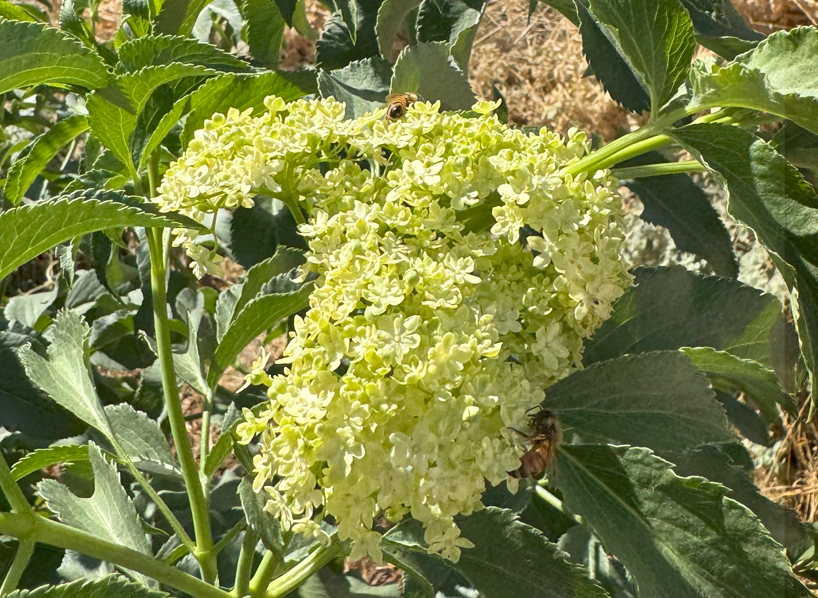
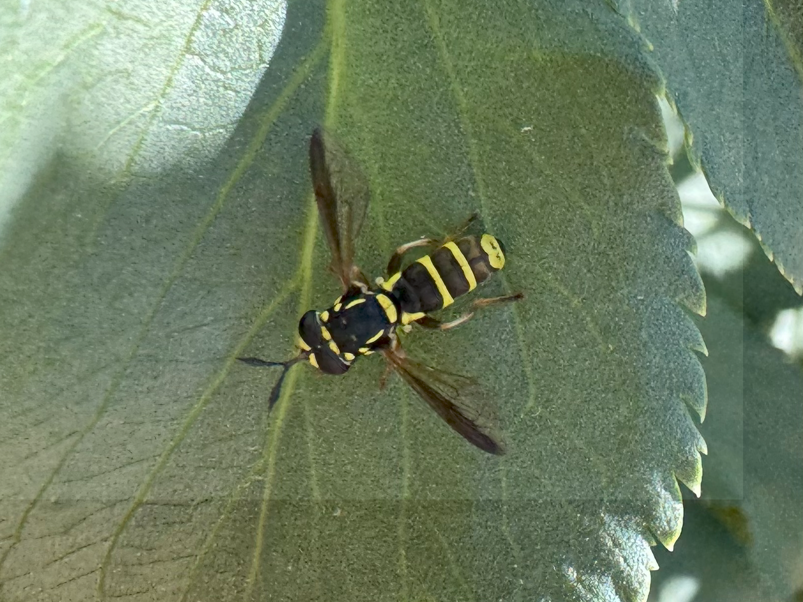
Dr. Elizabeth Boyd, entomologist and professor, and Gerardo Tapia, graduate researcher pursuing a Master of Science in Regenerative Agriculture and supported by the Center for Regenerative Agriculture and Resilient Systems (CRARS) at California State University, Chico, led an interactive tour of the hedgerow. Using sweep nets and vials, they highlighted the presence of native pollinators and natural enemies, including parasitic wasps and predatory lacewings. Attendees had the opportunity to observe lacewing eggs within both the hedgerow and the adjacent olive grove. Additional beneficial insects observed included syrphid flies, Western European honeybees, and assassin bugs. A plant species list was distributed while participants engaged in discussion about the hedgerow’s influence on olive grove ecology, pollinator diversity, and regenerative management practices. 

Although olive trees are self-pollinating and do not depend heavily on insect pollinators, the hedgerow provides critical habitat for pollinators, beneficial insects, and wildlife. COR’s implementation of this hedgerow through the Pollinator Habitat Program reflects growing interest in ecological solutions that offer multiple on- farm benefits, including erosion control, soil health, and biodiversity. 

Hedgerow site visited during the industry tour.
Left: intensive olive planting.
Right: established hedgerows.
Photo taken May 2, 2025.

In addition, Gerardo Tapia is conducting research for his master’s thesis to evaluate how hedgerows influence the functional composition of beneficial insect communities in olive groves. The study compares field margins with and without hedgerows using non-lethal, catch-and-release methods. Functional groups studied include pollinators, predatory insects, and parasitoid wasps. 

These efforts highlight the value of habitat enhancement, even in low-pollinator-dependent systems. They also highlight the importance of collaborative approaches between producers, researchers, and agencies like CDFA in supporting a more resilient agricultural landscape! 

By: Gerardo Tapia Jr and Elizabeth A. Boyd, Ph.D. (Center for Regenerative Agriculture and Resilient Systems)  

Technical Assistance Program Builds Statewide Partnerships in Climate Smart and Conservation Agriculture 

The OARS Technical Assistance (TA) Program is critical to realizing the OARS mission: “to use the best available science and knowledge from the agricultural community to design and implement practical solutions to California’s natural resource challenges that improve the environmental and economic sustainability of producing nutritious food, fiber, and energy.”   
 
The CSA TA Grant Program plays a key role in reducing the barriers farmers and ranchers face in accessing OARS incentive programs—especially for small-scale producers and socially disadvantaged farmers and ranchers. By funding a statewide network of trusted organizations, OARS ensures that producers have access to direct, hands-on support that helps them build resilience and long-term sustainability in their operations. 

What Does Technical Assistance Include? 

Technical Assistance Providers (TAPs) are embedded within OARS’ Alternative Manure Management Program (AMMP), State Water Efficiency and Enhancement Program (SWEEP) and Healthy Soils Program (HSP) to guide producers through every step of their participation. TAPs support farmers and ranchers as they: 

  • Learn about available funding 
  • Plan and design conservation or sustainability projects on their farms 
  • Navigate and apply for OARS funding 
  • Manage their grant awards 
  • Implement and complete projects on the ground, fine-tuning to optimize benefits 

In addition to one-on-one support, TAPs also conduct outreach and education in their regions, sharing success stories that highlight the real-world benefits of OARS-funded projects, and participating in the annual CDFA OARS Technical Assistance Conference.  

While the program is designed to be robust, the amount of technical assistance a producer receives can vary depending on several factors, including program complexity, location, and the capacity of the TA provider. It’s also important to note that producers need to be proactive in communicating with their TA providers to get the most from the services available. Ideally, assistance is available for every stage shown in the OARS technical assistance framework (see figure). 

Some programs, like those focused on methane reduction, may have less technical assistance built in—mainly because these projects are often engineering-heavy and the companies doing the installations typically handle most of the planning and implementation. However, producers involved in methane-related projects can still receive technical assistance for grant management and reporting through OARS-supported providers. 

OARS represents a uniquely Californian approach to sustainable agriculture and environmental stewardship. By investing in on-the-ground support and tailoring it to meet the diverse needs of California’s agricultural producers, OARS is helping lead the nation in equitable and practical climate-smart farming solutions. 

California Conservation Planning Partnership (C2P2) advances the OARS Technical Assistance Program Goals

CDFA and OARS continues its commitment to providing technical assistance to farmers and ranchers by streamlining technical assistance in California through the California Conservation Planning Partnership (C2P2) Memorandum of Agreement (MOA). Signed in 2022, this MOA brings together CDFA, the USDA Natural Resource Conservation Service (NRCS), the University of California Agriculture and Natural Resources (UC ANR), and the California Association of Resource Conservation Districts (CARCD) as official partners dedicated to providing services to California’s farmers and ranchers. The C2P2 partners have committed to coordinate their technical assistance services for farmers, ranchers, and foresters implementing conservation and climate-smart agriculture practices on their land.  

Over the last year, the C2P2 partnership has made great strides in advancing their mission through assembling a steering committee, supporting partner initiatives and meetings, and this year has initiated breakout working groups to dive deeper into coordinating services to meet the needs of farmers and ranchers. If you are interested in learning more about C2P2 or would like the opportunity to connect with C2P2 partners, take our short C2P2 Interest Survey

Dr. Sara Garcia, OARS Technical Assistance Coordinator, represents CDFA’s OARS team in a C2P2 Panel Discussion at the 2024 CARCD State Conference

Author: Dr. Sara Garcia

Healthy Soils Block Grant Organizations Innovate to Give Farmers Hands-on Help and Advice

The Healthy Soils Program (HSP) Block Grant Pilot is designed to promote widespread adoption of healthy soils practices. Healthier soils provide more nutrients, retain more water, are more resilient to extreme weather, and sequester more carbon. Through a competitive selection process, CDFA awarded 14 HSP Block Grants to recipient organizations in December 2023. These organizations have been working closely with growers on developing healthy soils project proposals and proper completion of practices. They have also been innovating new ways to provide technical assistance, in the field and beyond. 

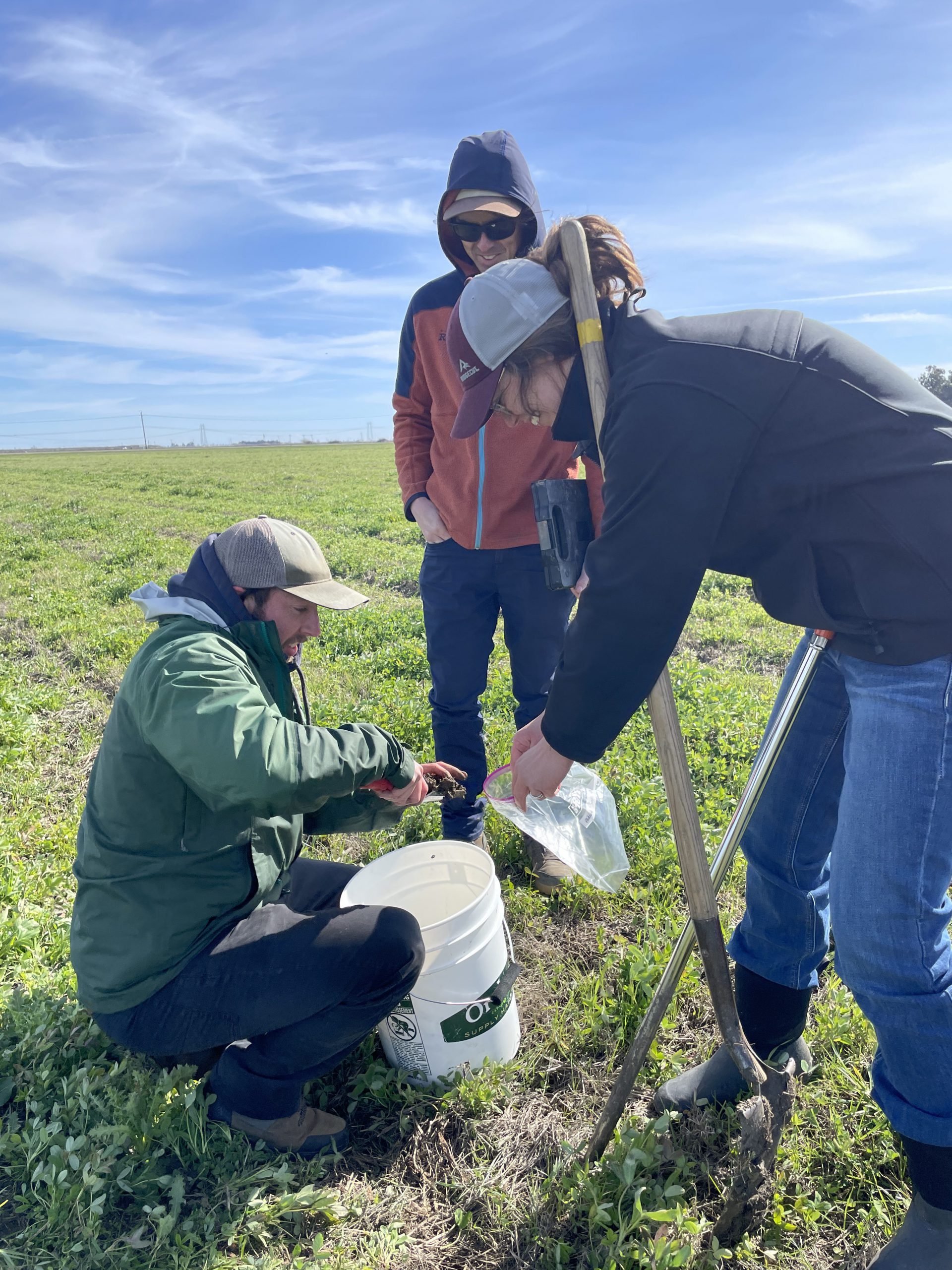
Soil sampling at Martin Family Farm. Matt Tooney – Project Manager and Conor Higgins – Mobile Irrigation Lab Manager, Yolo County Resource Conservation District, Katie Brazelton

Solano County Farm Bureau partnered with Solano and Contra Costa Resource Conservation Districts (RCDs) and has awarded 68 healthy soils projects to farmers. Together, the partners have been providing several technical assistance services, including language assistance, on-site soil sampling, plant ordering and distribution, and detailed practice implementation recommendations. The Healthy Soils Program requirement for soil sampling has served as a great opportunity to demonstrate to the growers how they can sample their soil and interpret results of soil health metrics. The team guides farmers through checklists of the practice and documentation requirements, as well as providing practice recommendations – for example, counseling on species for plantings and hedgerow maintenance planning. For farmers making plantings, they have combined orders and bought plants directly from wholesalers on behalf of the growers, making the prices per plant cheaper and taking the onus of quality control off of the farmers. And for Spanish- and Hmong-speaking farmers, they have been able to provide translation services, even coordinating compost purchase and delivery on behalf of the growers. Lastly, they share their knowledge and experience of other support opportunities, from federal to local agencies. 

Soil sampling with the Harveys. Farmer Rita Harvey; Conor Higgins – Mobile Irrigation Lab Manager, Yolo County Resource Conservation District

Farm Bureau staff member Katie Brazelton has found that growers tend to feel more confident in tackling their HSP projects when they see a team of people ready to help them succeed, especially when those team members are farmers too (as the Farm Bureau is farmer-led): “My husband is a 4th generation farmer, so I approach the grant with that perspective in mind. I’m here to help you be successful so don’t hesitate to reach out to me. I don’t know all the answers, but I have a team of people that will help us, and I can always double check with CDFA when necessary.” Through this process, they are cultivating relationships between farmers, the Farm Bureau, the RCDs, and the UCCE that will last beyond the HSP grant term. These are resources that growers can add to their “toolbox” for their farming operations going forward. 

Water Efficiency Technical Assistance (WETA) Program Supports Producers with No-Cost Irrigation System Evaluations and Pump Efficiency Tests

As the 2025 irrigation season is upon us in California, farmers can consider reaching out to a technical assistance provider funded by the OARS Water Efficiency Technical Assistance (WETA) program. WETA provides funds to technical assistance providers to complete irrigation system evaluations and pump efficiency tests, as well as provide training on water use efficiency and nutrient management practices.  

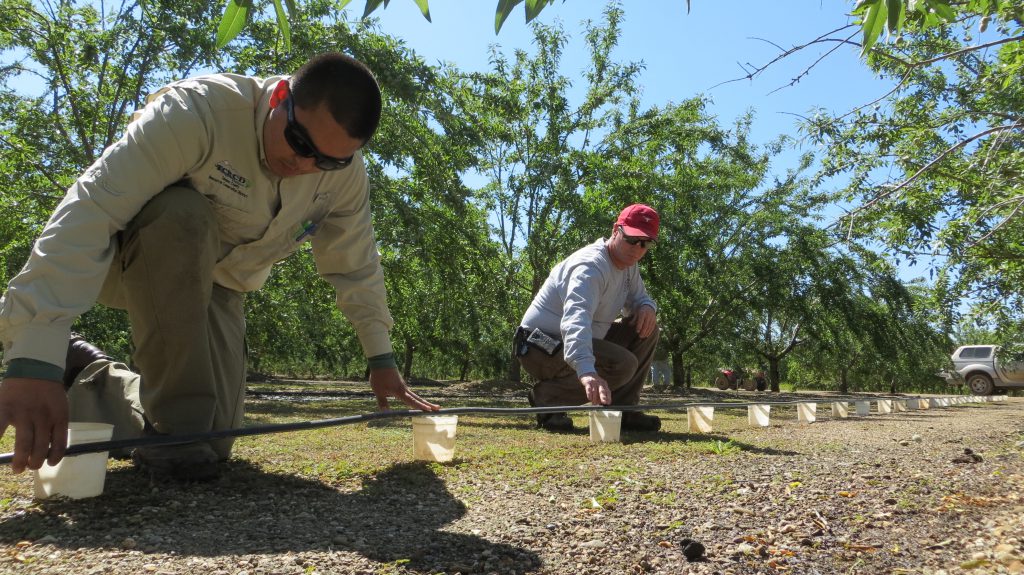
WETA technical assistance provider, Tehama RCD conducing an in-field irrigation evaluation. 

An irrigation system evaluation is the inspection and testing of an irrigation system to inform if repairs are needed and to see if water is being distributed evenly throughout the field. When a producer implements the recommendations from an irrigation system evaluation, they often save water and money and improve their crop yields. Similarly, a pump efficiency test, performed by a pump technician, can help a producer identify when a pump needs to be serviced or replaced, which can result in energy efficiency improvements and cost savings. WETA-funded technical assistance providers can also help a producer fine-tune their irrigation system and water management practices.   

OARS first received funding to provide WETA grants in 2021. Currently there are approximately 25 funded WETA technical assistance providers. Many of these grants will be expiring in 2026 so make the most of these services while they are available. To find out if there is a WETA service provider in your area and what types of assistance they are offering, please visit the program website at https://www.cdfa.ca.gov/oars/technical/weta.html   

What is the Office of Pesticide Consultation and Analysis?

The California Department of Food and Agriculture’s (CDFA’s) Office of Pesticide Consultation and Analysis (OPCA) was formed in 1992 following the formation of CalEPA’s Department of Pesticide Regulation (DPR). Prior to this time CDFA was responsible for pesticide regulation in the state. OPCA’s primary role is to provide DPR with impact analyses of proposed pesticide regulations, specifically actions detailed in Food and Agriculture Code (FAC) Section 11454.2. The consultative arrangement was established primarily to ensure that the economic impacts on California’s agricultural industry would be evaluated before the adoption of new pesticide regulations. OPCA is funded through the pesticide mill assessment collected by DPR for CDFA. 

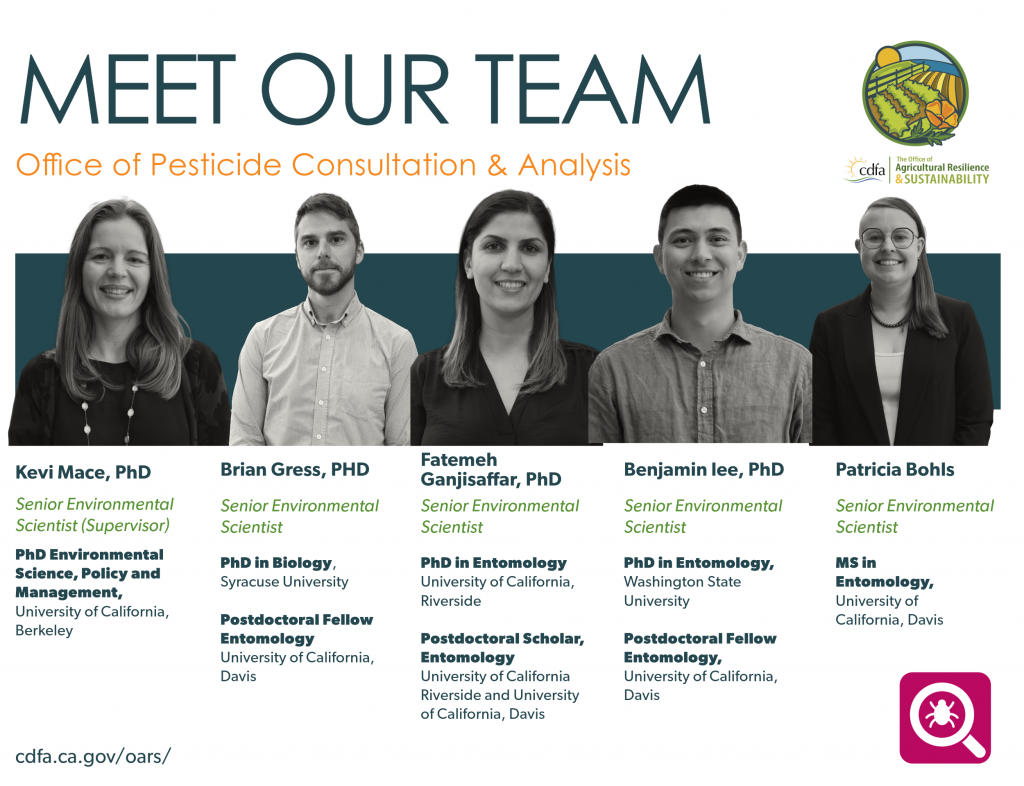
Currently, OPCA consists of five scientists with backgrounds mainly in agricultural entomology. We work closely with UC Cooperative Extension scientists and agricultural economists while doing analyses. Despite our office being in the back of the building, we welcome stakeholder communication; we will happily talk your ear off about analytical methods, data, and regulatory frameworks.    

Our analyses are specifically focused on assessing the immediate impact of the proposed regulation on pest management costs and effectiveness. We use pesticide use reporting data to estimate future use based on historical trends and to predict how the loss of specific active ingredients might affect those use trends. This methodology was developed by Dr. Rachael Goodhue, the chair of Agricultural Resource Economics at UC Davis, OPCA, and a host of other collaborators and published in 2017 (https://pubs.acs.org/doi/10.1021/bk-2018-1283.ch020).   

In the past five years, OPCA has completed reports related to the withdrawal of chlorpyrifos, multiple iterations of the neonicotinoid mitigation regulations, and multiple iterations for both sets of 1,3-Dichloropropene (non-occupational bystander and occupational bystander) safety regulations. Public reports, publications, and white papers are available on our website https://www.cdfa.ca.gov/oars/opca/publications.html.   

Since 2019, OPCA has also started running several grant programs including Biologically Integrated Farming Systems, Proactive Integrated Pest Management, and support for IR-4.  

In a world of rapidly changing pest threats, we are adapting too! Our “Proactive IPM Solutions” program is now “Adaptive IPM for Invasive Agricultural Pests”, moving beyond “proactive” to a more responsive, dynamic, and inclusive approach. Our program focuses on developing and implementing adaptable IPM strategies that enable swift action against emerging invasive pests in California, whether they are newly introduced, resurging, or expanding their range. We are dedicated to refining existing methods and exploring new solutions, especially where pesticide resistance poses a challenge.  

Introducing OARS: A New Name for a Stronger Agricultural Future

We are excited to announce that our office has a new name: The Office of Agricultural Resilience and Sustainability (OARS).  This new name better reflects our mission to strengthen the agricultural system while also addressing the challenges of the future. Along with the name change, we have introduced a new, unified logo that replaces our many siloed grant program logos, symbolizing our shared mission across all programs. Over the next few months, you will notice updates to our communications that incorporate the new name and logo. We encourage you to share this information with your colleagues, partners and stakeholders. You can find our official announcement and our new logo here, as well as our recently updated mission and vision statements.  

The decision to rebrand was rooted in the evolution of CDFA’s relationship to sustainable farming over the last 30 years.  Our original name, “The Office of Environmental Farming and Innovation (OEFI),” stemmed from the Canella Environmental Farming Act of 1995. The Canella Act laid the groundwork for our incentive programs and codified the Department’s commitment to advancing sustainability through science. Today, our programs not only support a healthy environment – marked by clean water, fresh air, and thriving biodiversity -but also the social and economic health of California’s farms and ranches. Looking forward, we also recognize the need to build resilience for the challenges ahead- from extreme weather to regulatory changes. We must develop research, demonstration and incentive grant programs to help agricultural stakeholders adapt and thrive.