Manure Management Improvements at Triple C Dairy 

This grantee Q&A was conducted by Dr. Alyssa Louie with the help of Mr. Robert Camozzi and Ms. Stephanie Dehner (Triple C Dairy) in November 2024 to develop an AMMP project profile in partnership with the California Air Resources Board Climate Investments Policy Section. 
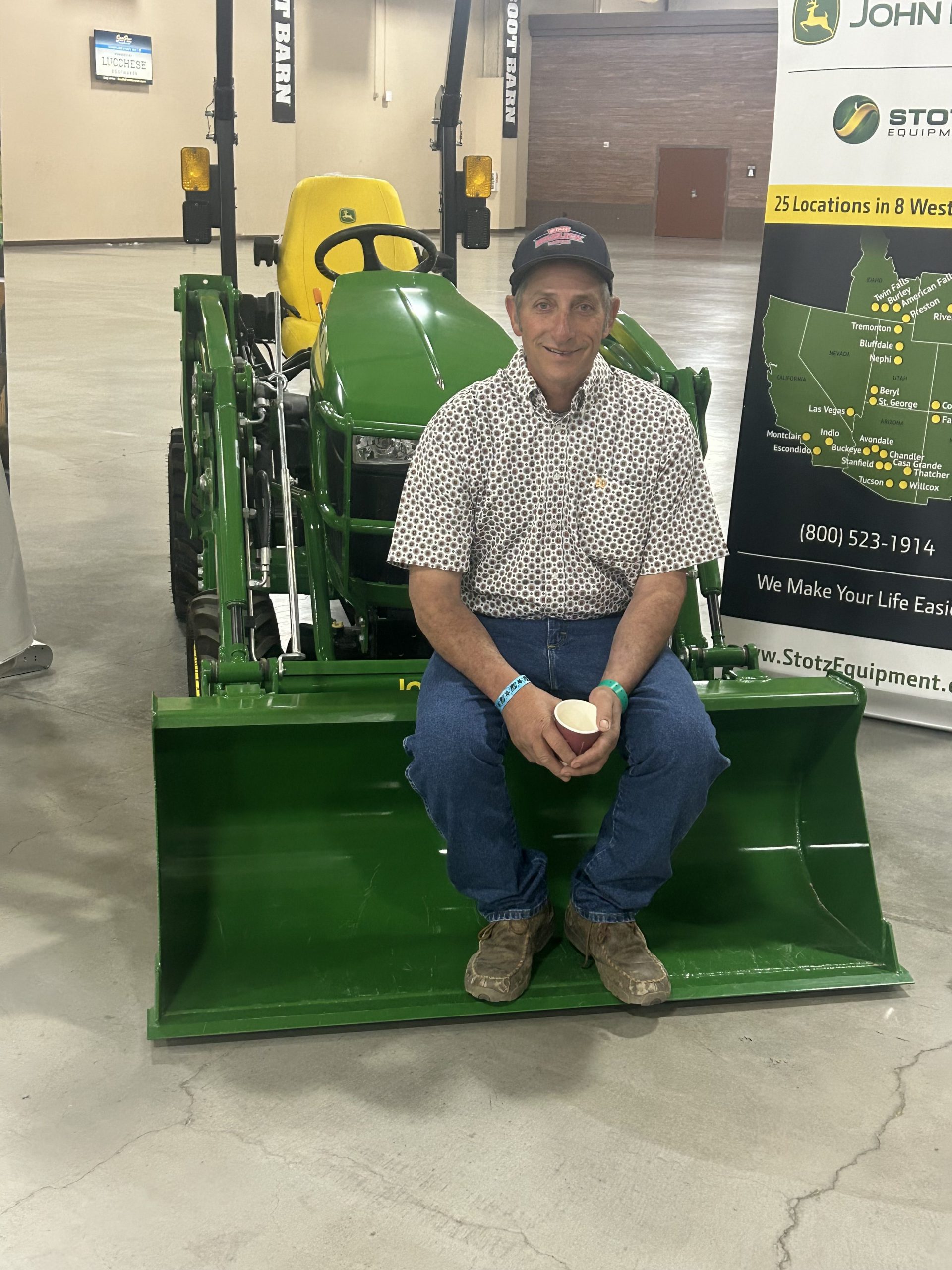
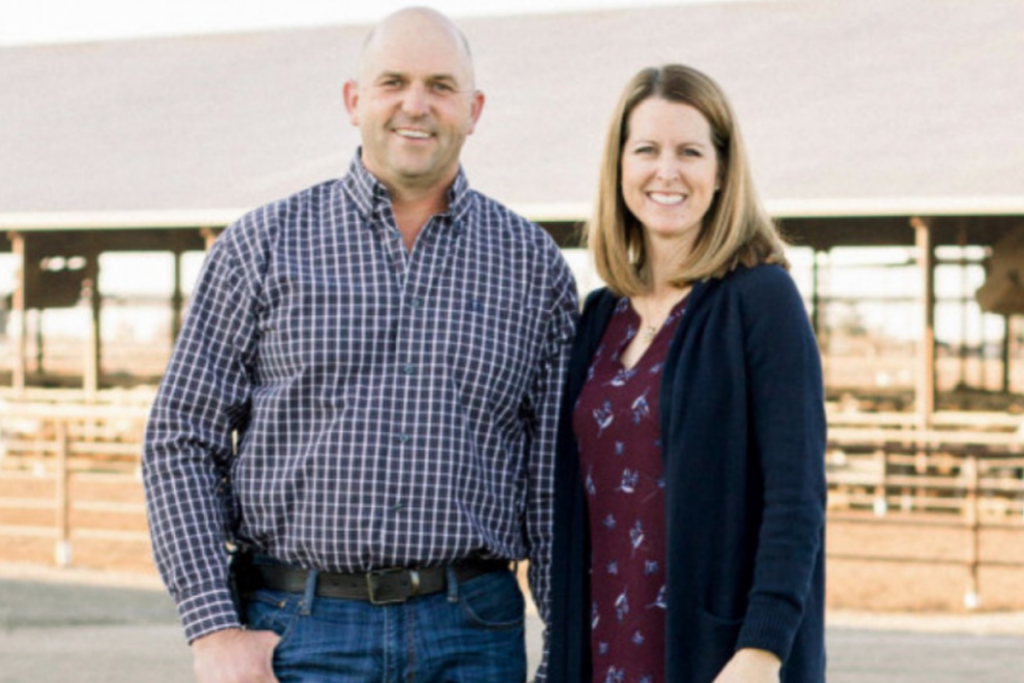
Owner and operator of Triple C Dairy, Bob Camozzi.

The Triple C Dairy Compost Barn and Solid Separation Project received California Climate Investments funding in 2019 through the Alternative Manure Management Program (AMMP). 

Triple C Ranch, an organic dairy in Sonoma County, utilized these funds to: 

  • Install a new compost bedded pack barn to house a portion of the herd during winter months 
  • Automate scrape collection of manure from barn alleyways 
  • Add a solid-liquid separator that would reduce the amount of collected manure entering anaerobic storage.  

These improvements allowed for manure composting and reuse for bedding and fertilizer. By reducing the amount of manure entering a liquid environment and removing the need for manual scraping of alleyways, the project reduced both diesel and methane emissions. The project, which was completed in spring of 2022, also improved pasture management by providing more housing for the herd. 

Can you share with us your name and your role on this project? 
Robert J Camozzi, 4th generation dairy farmer and owner/operator of Triple C Ranch. 

Tell us about the area where your dairy operates in Sonoma County. How has the community supported your dairy and other small, local farms?  
The area has a number of small farms but one of its strengths is that it also has a lot of processing capability – our milk travels just a few miles down the road for processing at Bellwether Farms. This is a great benefit, as the community needs access to local organic products. 
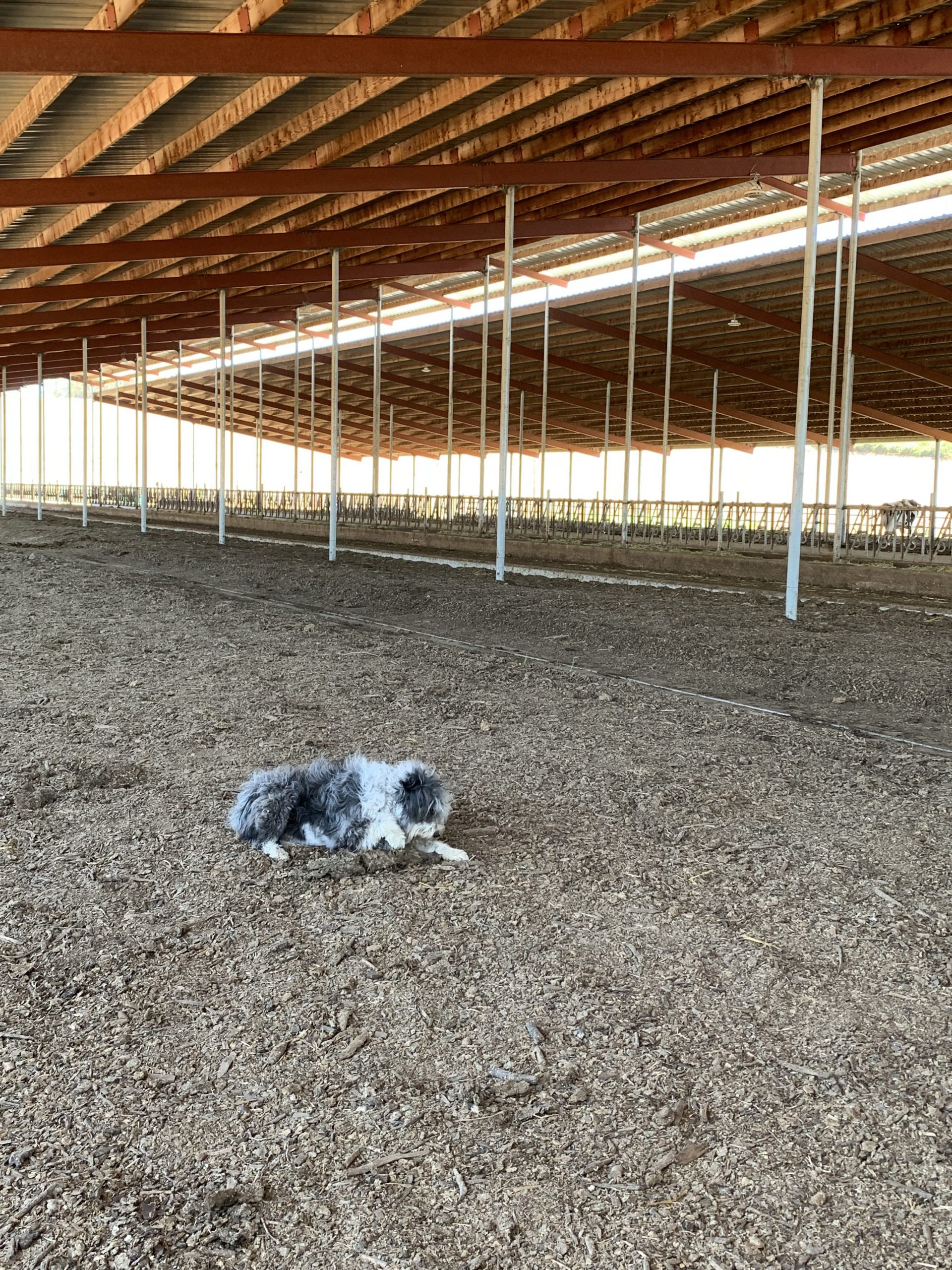
Compost bedded pack barn installed as part of the AMMP project.

We’d love to hear more about the project. What did it do? What benefits did the project provide for your dairy? 
The project had multiple components: construction of a new compost bedded pack barn; automated cable scrapers that would replace use of a diesel-fueled skid steer for cleaning concrete lanes in the new and existing barns; a reception pit and screw press separator to process scraped manure and separate solids from liquids. The results help improve water quality, air quality, the efficiency of the operation, and produces a quality soil amendment. The separator keeps more manure out of storage ponds, allowing the liquid to be used for sprinkler irrigation instead of hauling slurry to fields. The composted manure can be used on our fields and hauled up to our other ranch that grows alfalfa, essentially replacing the compost we would have had to buy previously. It can also be used as a source of bedding so we can move away from buying sand. The automated chain scrapers have led to a reduction in diesel use as well as labor – personnel can be redirected to other activities. The additional housing for the herd during winter months allows us to better manage pastures and reduces the amount of potential runoff and exposure of manure to rainwater. 

What impacts do you hope to see in your community as a result of this project? 
We hope the project leads to people recognizing that we are doing our part to prevent global warming and improve environmental stewardship through reducing our fossil fuel use and composting. We are excited about the barn and its innovative management and are happy to host tours for visitors and those in the community – other dairy producers in the area have already asked about our experience with the AMMP grant, and seeing implemented practices may encourage others to pursue them as well. 

What has been challenging in carrying out the project, and what have you learned from those challenges that could be useful for others to know? 
One of the lessons learned is to keep the full costs of a project in mind – don’t go into it thinking everything will be covered. There are upfront costs, the wait time for reimbursement, and then maintenance costs after implementation. It’s important to be practical and think through who can service the equipment, and to recognize that you can get some state-of-the-art equipment but ultimately all equipment will need maintenance. 

What are some elements of the project you think others should consider incorporating into their projects? 
This is hard to say because every project is so unique to each dairy. 

What advice do you have for others applying for funds? What have you learned from the application process that would be useful for others to know? 
Factor in upfront costs; get your bids and complete your project in a timely manner so it is done within the grant time frame and costs of equipment and labor don’t increase significantly past the original bids. 

Any closing thoughts to leave us with on why you chose to pursue this grant and what it means for you and the dairy? 
I pursued this project because I want to pass the dairy on to the next generation. In order to do that, infrastructure is necessary and part of that is modernizing the dairy. Dairies are not always seen in a good light, but we want to do our part – we are environmentalists too. California is investing a lot to try and help, and we felt an AMMP project was a good opportunity to modernize the dairy and bring it to the next level of management for protecting the environment. It is putting ourselves in a better position for the future. We don’t always know how things will work out, but I was in the new barn the other day thinking we couldn’t run the dairy today without this – a lot of cows were calving, and they were dry and comfortable under cover instead of out in the rain. It has made a huge difference. 
What is the Office of Pesticide Consultation and Analysis?

The California Department of Food and Agriculture’s (CDFA’s) Office of Pesticide Consultation and Analysis (OPCA) was formed in 1992 following the formation of CalEPA’s Department of Pesticide Regulation (DPR). Prior to this time CDFA was responsible for pesticide regulation in the state. OPCA’s primary role is to provide DPR with impact analyses of proposed pesticide regulations, specifically actions detailed in Food and Agriculture Code (FAC) Section 11454.2. The consultative arrangement was established primarily to ensure that the economic impacts on California’s agricultural industry would be evaluated before the adoption of new pesticide regulations. OPCA is funded through the pesticide mill assessment collected by DPR for CDFA. 

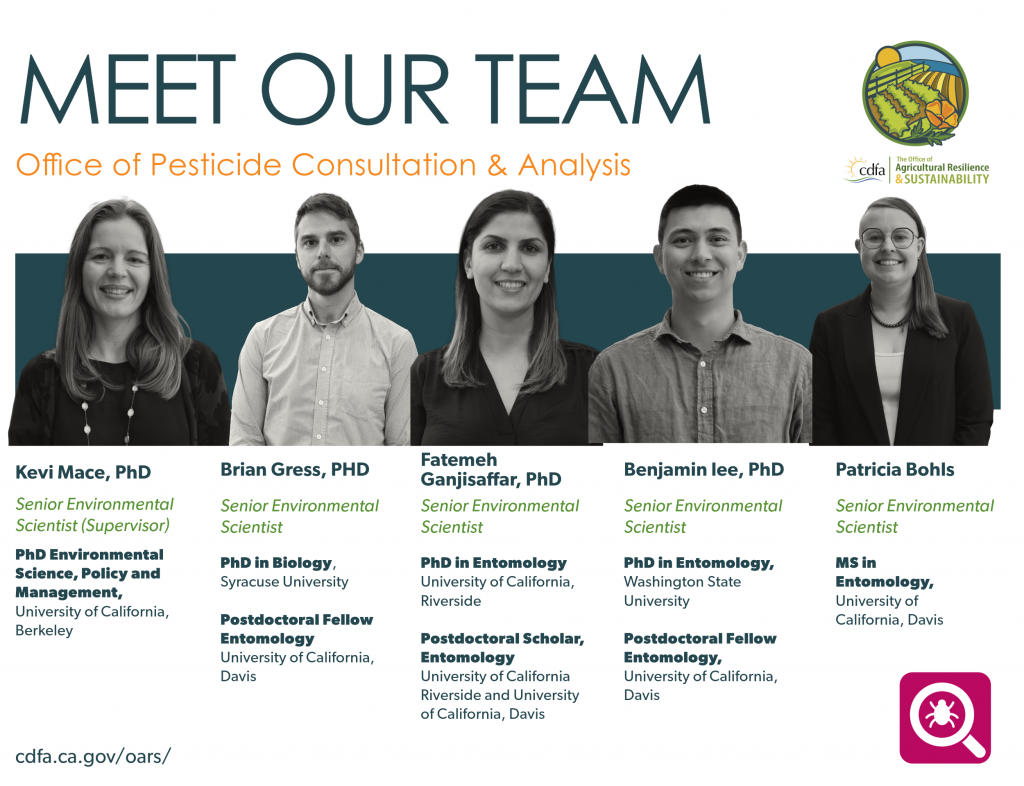
Currently, OPCA consists of five scientists with backgrounds mainly in agricultural entomology. We work closely with UC Cooperative Extension scientists and agricultural economists while doing analyses. Despite our office being in the back of the building, we welcome stakeholder communication; we will happily talk your ear off about analytical methods, data, and regulatory frameworks.    

Our analyses are specifically focused on assessing the immediate impact of the proposed regulation on pest management costs and effectiveness. We use pesticide use reporting data to estimate future use based on historical trends and to predict how the loss of specific active ingredients might affect those use trends. This methodology was developed by Dr. Rachael Goodhue, the chair of Agricultural Resource Economics at UC Davis, OPCA, and a host of other collaborators and published in 2017 (https://pubs.acs.org/doi/10.1021/bk-2018-1283.ch020).   

In the past five years, OPCA has completed reports related to the withdrawal of chlorpyrifos, multiple iterations of the neonicotinoid mitigation regulations, and multiple iterations for both sets of 1,3-Dichloropropene (non-occupational bystander and occupational bystander) safety regulations. Public reports, publications, and white papers are available on our website https://www.cdfa.ca.gov/oars/opca/publications.html.   

Since 2019, OPCA has also started running several grant programs including Biologically Integrated Farming Systems, Proactive Integrated Pest Management, and support for IR-4.  

In a world of rapidly changing pest threats, we are adapting too! Our “Proactive IPM Solutions” program is now “Adaptive IPM for Invasive Agricultural Pests”, moving beyond “proactive” to a more responsive, dynamic, and inclusive approach. Our program focuses on developing and implementing adaptable IPM strategies that enable swift action against emerging invasive pests in California, whether they are newly introduced, resurging, or expanding their range. We are dedicated to refining existing methods and exploring new solutions, especially where pesticide resistance poses a challenge.  

Boosting Soil Health: A Walnut Grower’s Success Story with the Healthy Soils Program

Farming practices are rapidly evolving, and sustainability is at the forefront of this transformation. In this case study, we explore how a California walnut grower successfully enhanced soil health, improved water conservation, and reduced pest issues by leveraging the Healthy Soils Program (HSP). Through a strategic combination of composting, mulching, and cover cropping, the grower achieved remarkable results while working to transition his orchard to organic farming.

Overcoming Farming Challenges with the Healthy Soils Program

Farming is never without its challenges, and one walnut grower faced a particularly persistent nematode infestation that was harming his yields. Nematodes are microscopic pests that can significantly damage plants, and one of the grower’s walnut orchard blocks was struggling with their effects. It was also discovered that plants suffering from water stress or nutrient deficiencies are more susceptible to nematode damage. The grower was concerned about building organic matter and soil health in order to transition successfully to organic while building resistance to pests and diseases. At the same time, saving water had become a priority for him, and he was also concerned about the residues from pesticides entering the air and water on his farm.

The Healthy Soils Program’s Impact

Through the Healthy Soils Program, the grower was able to implement several key practices aimed at improving soil health and mitigating the challenges he faced:

  1. Composting: Applying compost to the soil to improve nutrient cycling and enhance carbon sequestration. This was implemented where the nematode problem was most severe. 
  2. Mulching: the application of almond shells every fall to reduce evaporation of surface water , while building organic matter in the soil and contributing nutrients like potassium. 
  3. Cover cropping was implemented alongside these practices as a preexisting effort.  
  4. Additionally, the farmer received technical assistance to optimize the implementation of these practices.  

Achieving Results: Healthier Soil, Reduced Pest Infestations, and More Efficient Farming

The combination of these practices produced impressive results:

  • Compost helped to reduce the nematode infestation: Compost releases nutrients and/or pest regulating compounds that enhance plant resistance to nematode damage and decrease nematode pest populations.  
  • Cover crops helped to reduce the nematode infestation: Nematode-suppressive cover crops provide added value in this case. 
  • Mulching conserved soil moisture and reduced weed pressure. Mulching also regulates soil temperature from extreme conditions that would otherwise adversely impact plant growth and soil organisms.  
  • Both compost and mulching aided the cover crop’s growth.  
  • All of these practices help increase the soil’s water holding capacity through organic amendments and increased root exploration. 

The Bigger Picture: Why Soil Health Matters

This case study is an excellent example of how improving soil health can address multiple farming challenges at once. By implementing a Healthy Soils Practices, this walnut grower was able to combat pests, conserve water, reduce reliance on chemicals, and build a foundation for long-term farm sustainability. The Healthy Soils Program provided the technical and financial support needed to make these changes possible, showing that healthy soils are key to a more resilient farming system.

If you’re considering improving your farm’s soil health or transitioning to more sustainable practices, the success of this walnut grower shows that with the right support, it’s possible to create a thriving ecosystem that benefits both your crops and the environment.

Click here to learn more about the Healthy Soils Program and how it can help your farm.

“Organic farming is not easy, but participation in the Healthy Soils Program greatly supported my farm transitioning to an organic system, and helped improve the overall health of the orchard. Another advantage of the mulching and composting is soil nutrient balancing. There is no question about it that my soils have increased fertility and nutrient balance through adding compost and mulch. I am very thankful for the program funding.” – Leonard Loewen, of Loewen Family Farm  

Anaerobic Dairy Digester Converts Methane to Renewable Natural Gas in Merced County

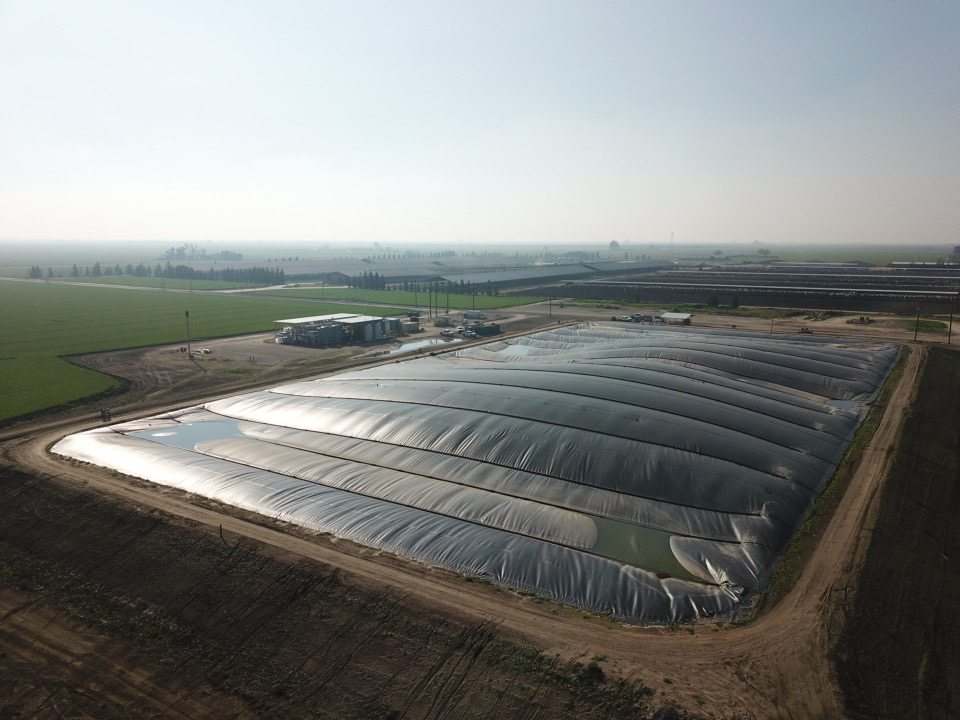
Vander Woude Dairy, a family-owned and operated business in Merced, California, has taken significant strides in sustainable agriculture by implementing a covered lagoon digester for methane capture. Established as a partnership in 2005, the dairy is now predominantly owned by Simon and Christine Vander Woude, who oversee 3,200 Holstein milking cows and 1,750 acres of farmland. In October 2020, Vander Woude Dairy began construction on a covered lagoon digester, part of the innovative Merced-South Cluster developed by Maas Energy Works. The digester became operational in November 2021, marking a new chapter in the dairy’s commitment to environmental stewardship.  

The project, funded with over $1.8 million from the Dairy Digester Research and Development Program (DDRDP) through California Climate Investments (CCI) and an equal amount of matching funds from Vander Woude Dairy, cost $3.7 million. “The State of California’s proactive support of programs like the Dairy Digester Research and Development Program was instrumental in helping our project get off the ground. Our family run dairy has made consistent environmental improvements over the years, but we were hesitant to take the leap on a large investment in a digester system when the technology was still emerging.  CDFA’s partnership with us and our neighbors helped us take the financial leap and their program has proven to be one of the most effective at enhancing the environmental sustainability of the California dairy industry in recent years,” said Simon Vander Woude.  

Biogas Upgrading Hub, Merced

CDFA forecasted that the digestor to reduce greenhouse gas emissions by around 18,800 metric tons of CO₂ equivalent (MTCO₂e) annually. However, the most recent 12-month data reveals that the dairy exceeded expectations, achieving nearly 24,000 MTCO₂e in reductions and injecting over 73,000 MMBTU of gas into the pipeline. The R-CNG produced by the Vander Woude Dairy Digester is injected into the utility pipeline to be used in large vehicles, qualifying it for credits under the state’s Low Carbon Fuel Standard (LCFS). These credits incentivize the production and use of low-carbon fuels, providing an additional revenue stream that supports the project’s economic viability while reducing greenhouse gas emissions in the transportation sector. These outcomes underscore the digester’s efficiency and its critical role in advancing California’s climate goals. 

The Vander Woude Dairy Digester project is a model of sustainable economic development. Utilizing guidance from the Sacramento Regional Research Institute (SRRI), the project created 44 jobs—27 direct and 17 indirect—during its construction phase. These positions spanned various industries, including construction, operations, and related services, contributing an additional $825,858 in economic output for every $1 million spent. 

Moreover, the project team partnered with Proteus Inc., a nonprofit dedicated to empowering disadvantaged communities in the San Joaquin Valley. Proteus facilitated local hiring, ensuring that 85% of piping contracts were fulfilled by residents near the project site. Training programs specific to renewable energy provided opportunities for individuals to develop skills aligned with California’s greenhouse gas reduction goals. 

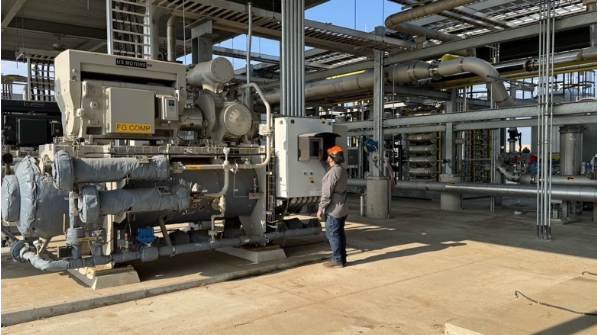
Merced Hub, pictures is Tommy Souza, Plant Operator

“For our family farm, ‘sustainability’ means doing more with less. Our dairy is the host of a hub-and-spoke model of methane digesters in Merced County, and all the dairies that send their gas to this hub are family farms. My wife, children, and I are laser-focused on efficient operations, producing milk with less impact to our climate,” said Simon Vander Woude. 

By aligning with state and regional initiatives, the Vander Woude Dairy Digester embodies California’s vision for a sustainable agricultural future. Its innovative approach not only satisfies the need to reduce greenhouse gas emissions but also fosters economic growth and empowers the local community, setting a benchmark for dairy operations nationwide. 

First of Its Kind Fuel Cell Project Generating Electricity from Dairy Waste in Fresno County 

Bar 20 Dairy, a Shehadey family-owned and operated business in Fresno County, received $3 million in funding from the state incentive Dairy Digester Research and Development Program (DDRDP) in 2019, to implement a dairy digester to capture methane. The California Bioenergy dairy digester and Bloom Energy fuel cell technology have been installed at Bar 20 Dairy and are now capturing methane and generating renewable electricity without combustion.  

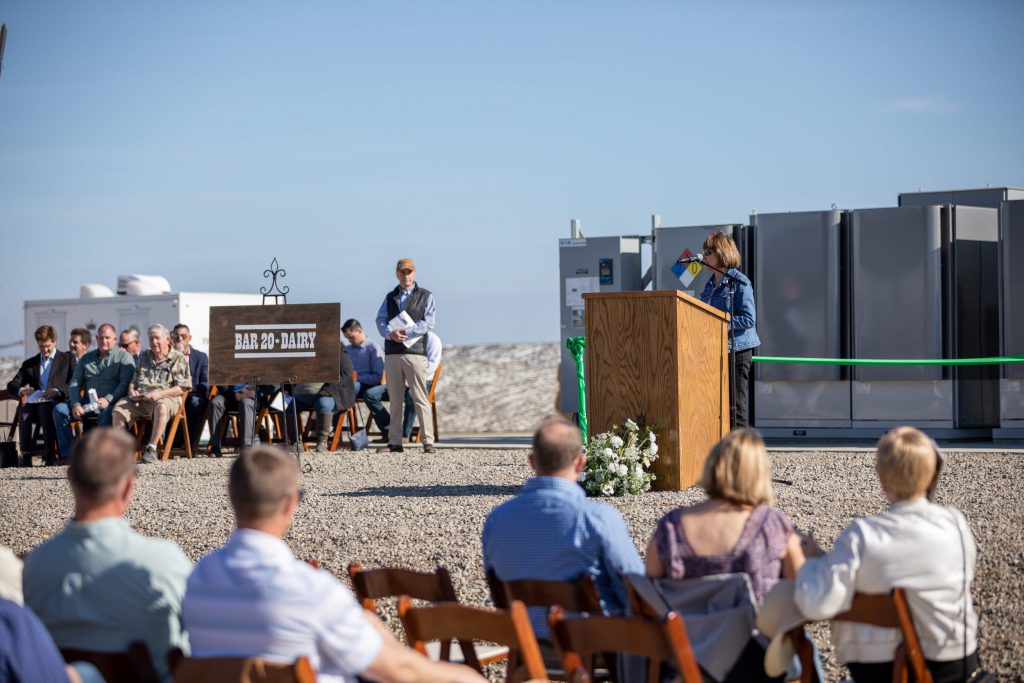
California Department of Food and Agriculture Secretary Karen Ross speaking at the Bar 20 ribbon-cutting ceremony.
California Department of Food and Agriculture Secretary Karen Ross speaking at the Bar 20 ribbon-cutting ceremony. 

“When I was young, my grandfather told me that we make milk for people’s children,” said Steve Shehadey, owner of the dairy farm. “That has always stuck with us on the farm. We can’t offer anything but our best to the children and the families who buy our milk. Today, that also means doing what we can to help clean the San Joaquin Valley air and to be part of a climate solution.”  

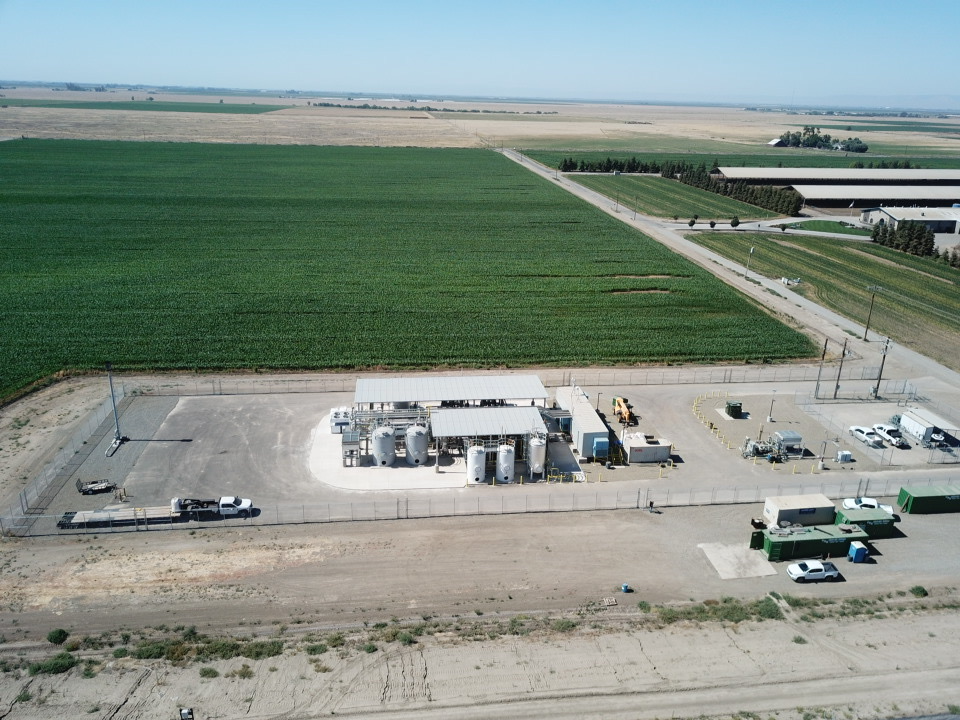
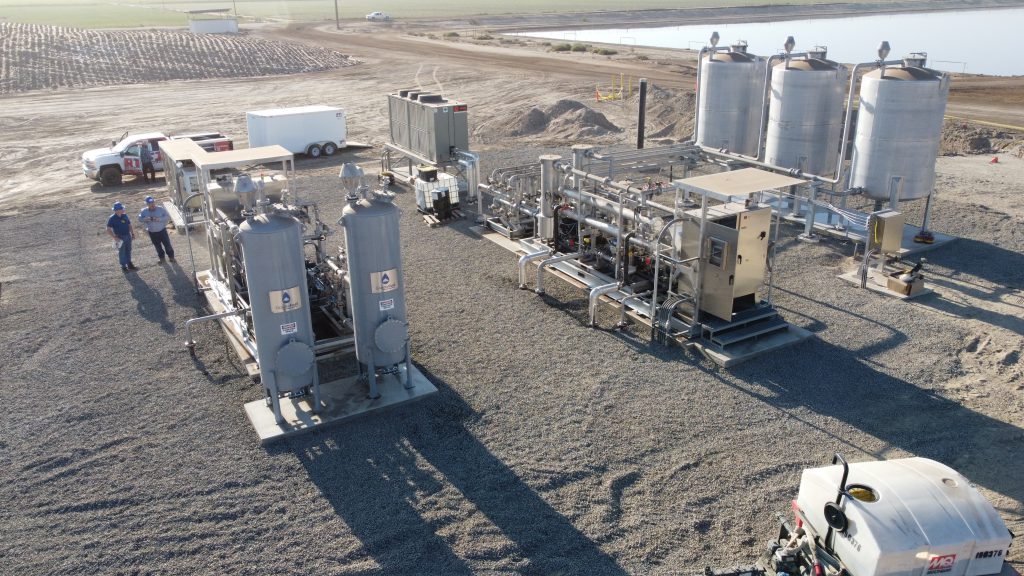
Gas treatment equipment at Bar 20.  

Data collected over the year after its implementation show that the installation of a dairy digester has helped the dairy cut emissions by nearly 374,390 metric tons of CO2 equivalent.  This first-of-its-kind fuel cell technology is powering BMW electric vehicles throughout California providing clean power to over 17,000 EVs per year, as well as an onsite microgrid for dairy operations. This new innovative technology provides critical methane reductions to help the state meet its climate goals and provide local air quality benefits while furthering the State’s ambitious clean transportation goals.  

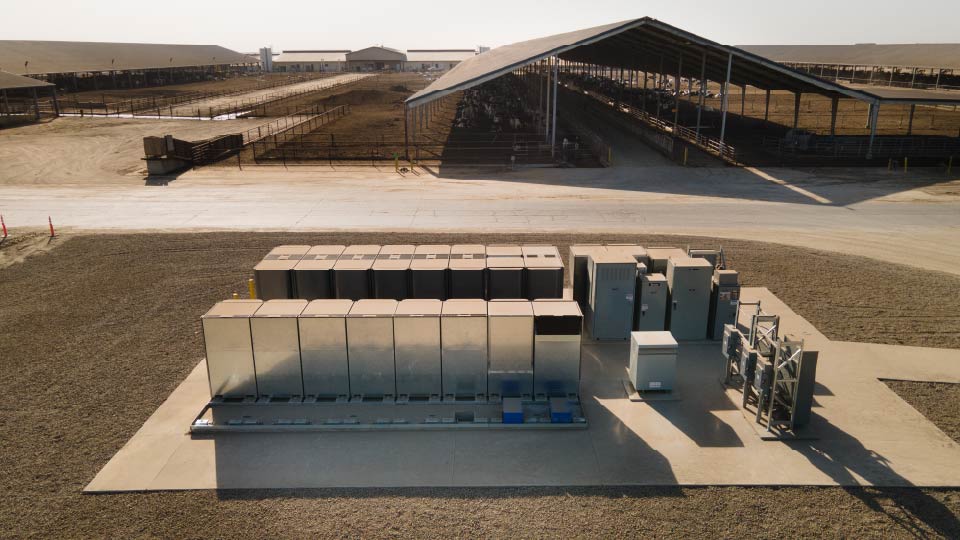
Fuel cell array at Bar 20. 

“Digesters are a great solution to address climate issues in California. This project would not have been possible without the DDRDP grant. The dairy is now working with H2B2 to provide additional dairy biogas to produce renewable electricity that is used in the production of hydrogen transportation fuel”, said Steve Shehadey, owner of the dairy farm. 

The Shehadey’s consider this project to be one of several ongoing investments in climate-smart dairy farm practices. The dairy also continues to adopt new strategies to ensure the best possible animal health and comfort.  In 2020, the dairy began implementing an electric feed mixing system that significantly reduced the use of diesel for daily activities, to improve air quality. Barns are lighted with 100 percent LED bulbs, and electricity needs are offset by a two-megawatt, on-site solar array. By supplying milk to the Producers Dairy Foods plant, the farm provides fresh milk daily that helps nourish local communities.