Have you ever stopped to think about how your milk or butter actually gets to your table?
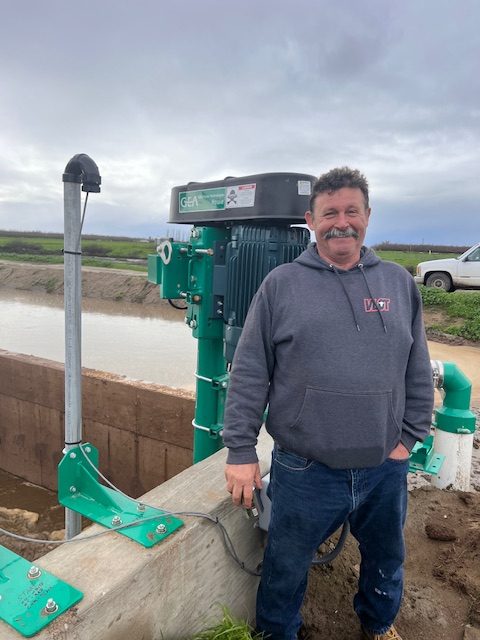
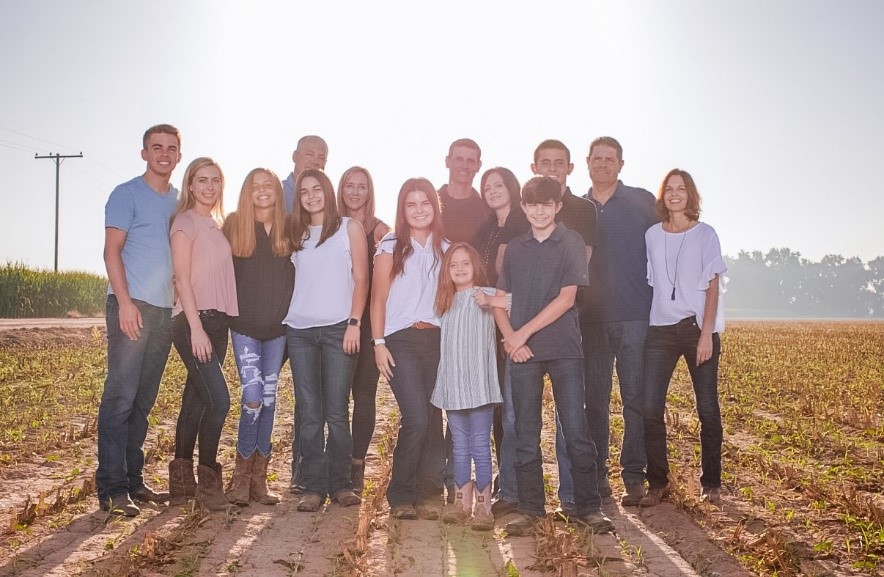
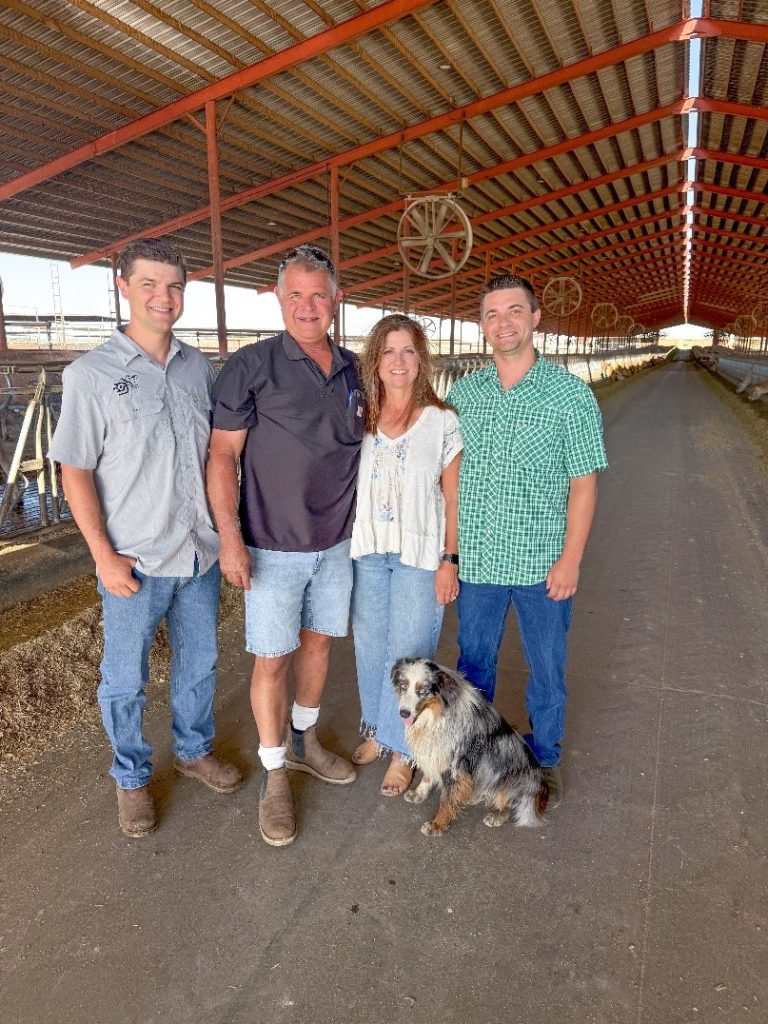
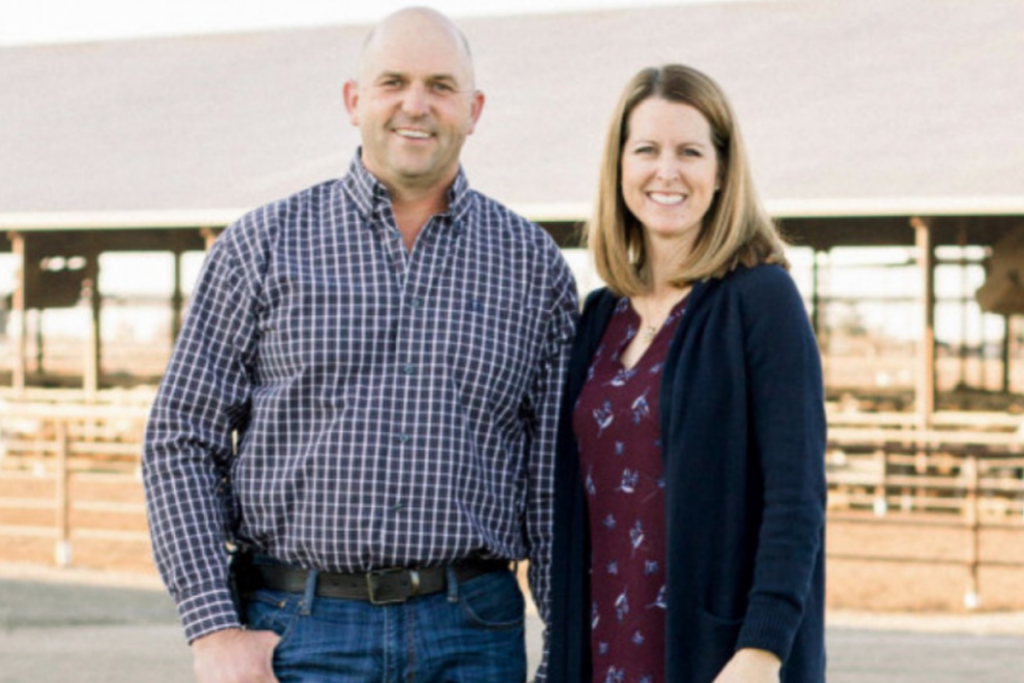
We recently caught up with the family behind Vander Woude Dairy in Merced, and the conversation quickly went beyond cows and equipment. At its heart, their story is about family, responsibility, a passion for dairy farming and a deep belief that food is security.
Like many in California agriculture, the Vander Woude family started with very little and built their dairy over time. That mindset hasn’t changed. It’s something they’re passing on to their kids—work hard, take care of what you have, and leave things better than you found them.
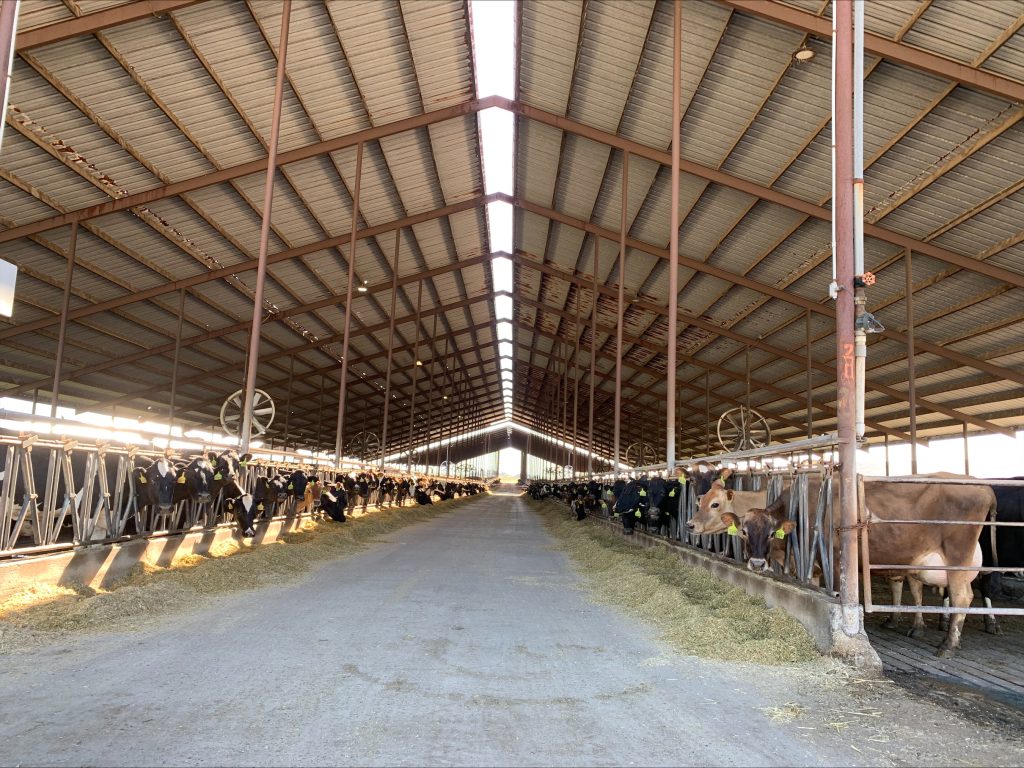
And while there’s a perception that dairy farmers have it easy, their reality looks a lot different. Dairy is a 24/7, 365-days-a-year commitment. There are no days off—just a constant rhythm of caring for animals, producing food, and keeping the operation running.
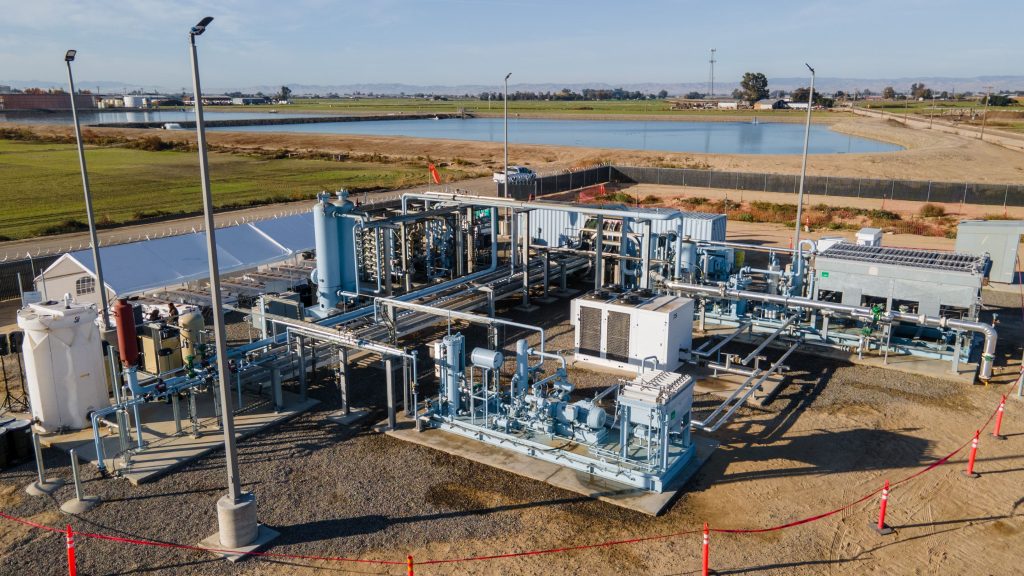
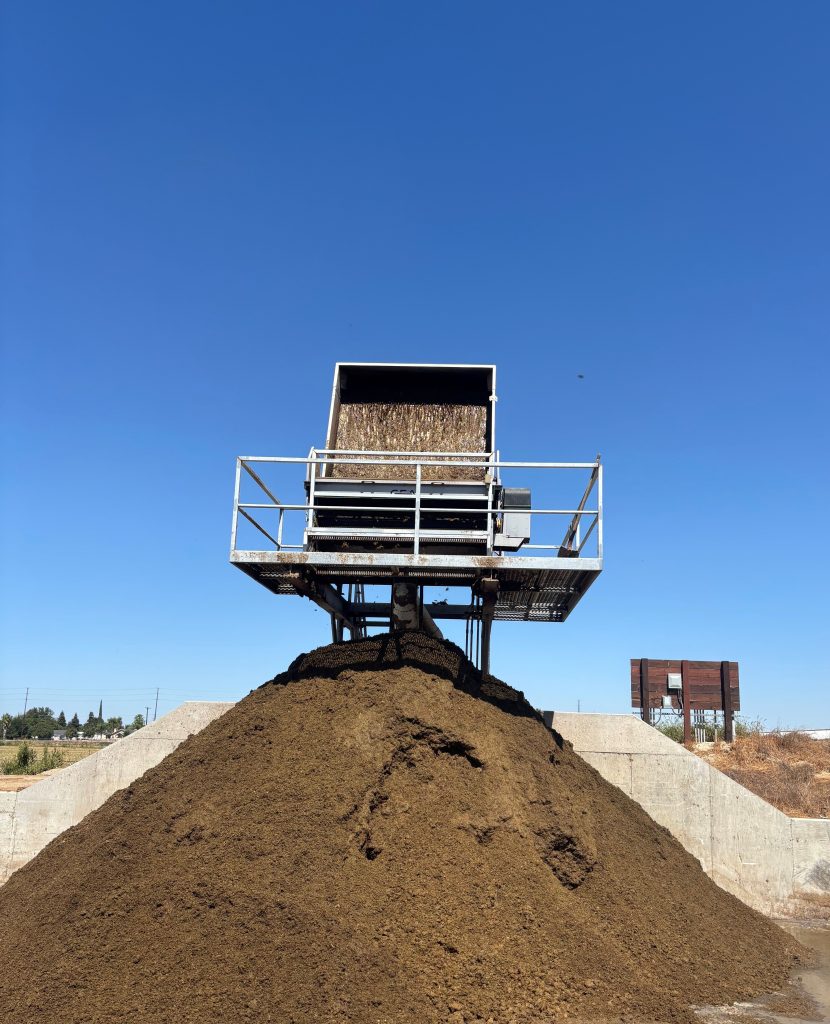
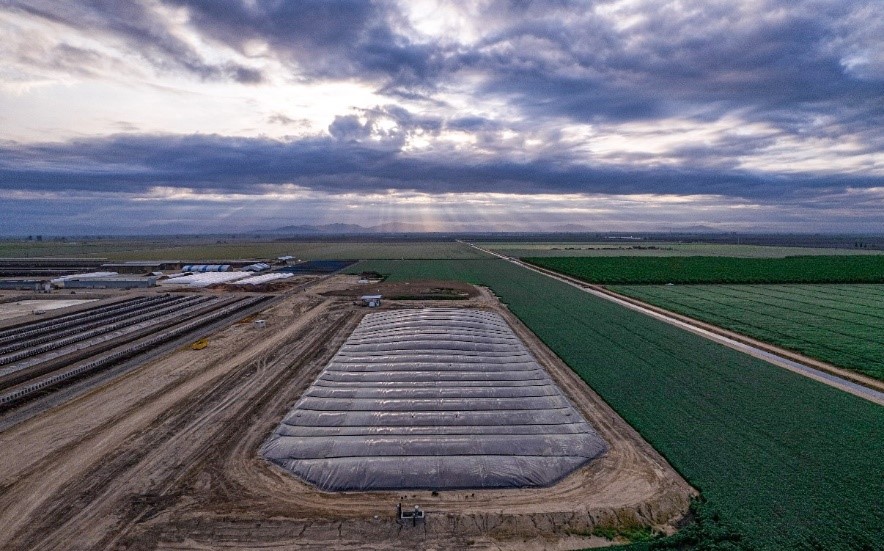
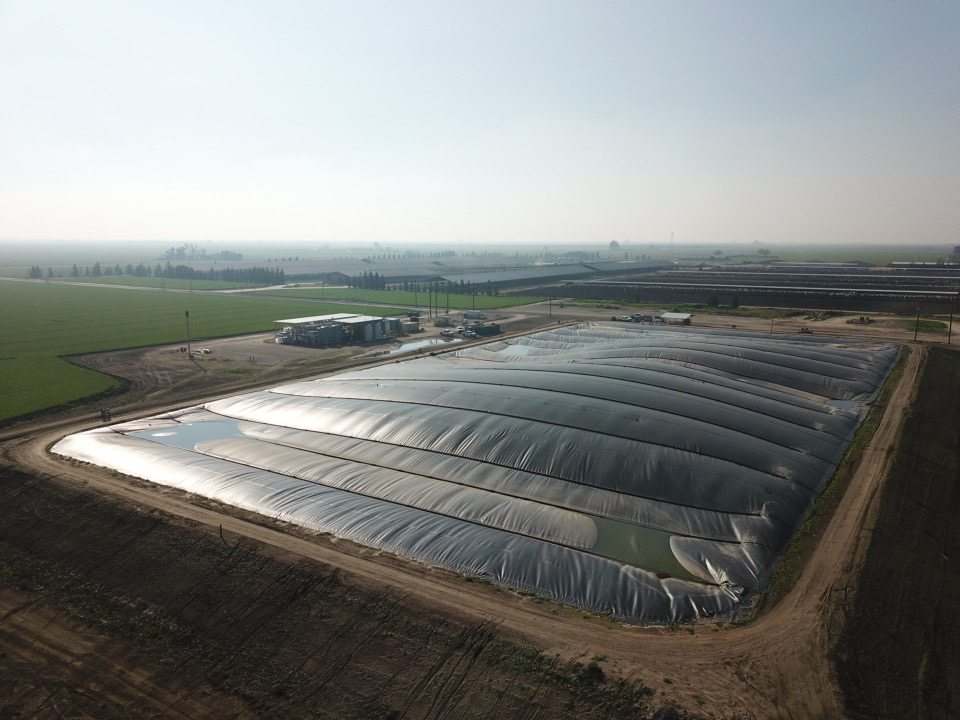
That same sense of responsibility is what led them to invest in a covered anaerobic lagoon digester, part of the Merced-South Cluster developed by Maas Energy Works. With support from the Dairy Digester Research and Development Program (DDRDP), they’ve turned something often seen as waste into a resource, capturing methane to create renewable energy and returning nutrients back to their fields. This project is funded in 2018 in Merced County with over $1.8 million from DDRDP through California Climate Investments (CCI) and equal matching funds from Vander Woude Dairy, cost the total project worth $3.7 million. For more insights on how Vander Woude dairy digester converts methane to renewable natural gas (RNG), check out the related blog post link on Vander Woude Dairy project.
For the Vander Woude family, it’s simple: take what you have, use it wisely, and be good stewards of it.
Farming today isn’t easy. Rising costs, unpredictable weather, and many other challenges are real, but projects like this show how innovation can work for farmers, helping them stay viable while contributing to a more sustainable future.
At the end of the day, though, what stands out most isn’t the technology. It’s the people and family behind it. A family rooted in hard work, committed to their community in Merced, and proud to play a role in feeding others every single day.
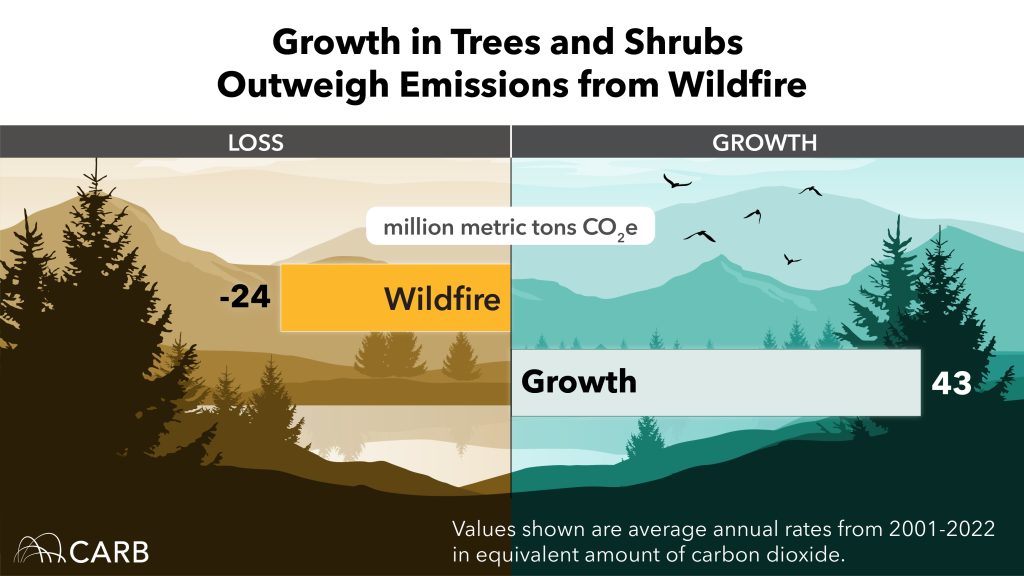
The California Air Resources Board (CARB) released the second edition of California’s Natural and Working Lands Carbon Inventory this week, showing that even with catastrophic wildfires occurring more recently, the state’s natural and working lands have absorbed more carbon than they released since 2001, helping counterbalance emissions from those fires.
The report takes a comprehensive look at how our forests and farms help fight climate change. To reach California’s 2045 carbon neutrality goals, we must scale approaches such as prescribed fire, Climate Smart Agriculture, and ecosystem restoration.
Highlights for Agriculture:
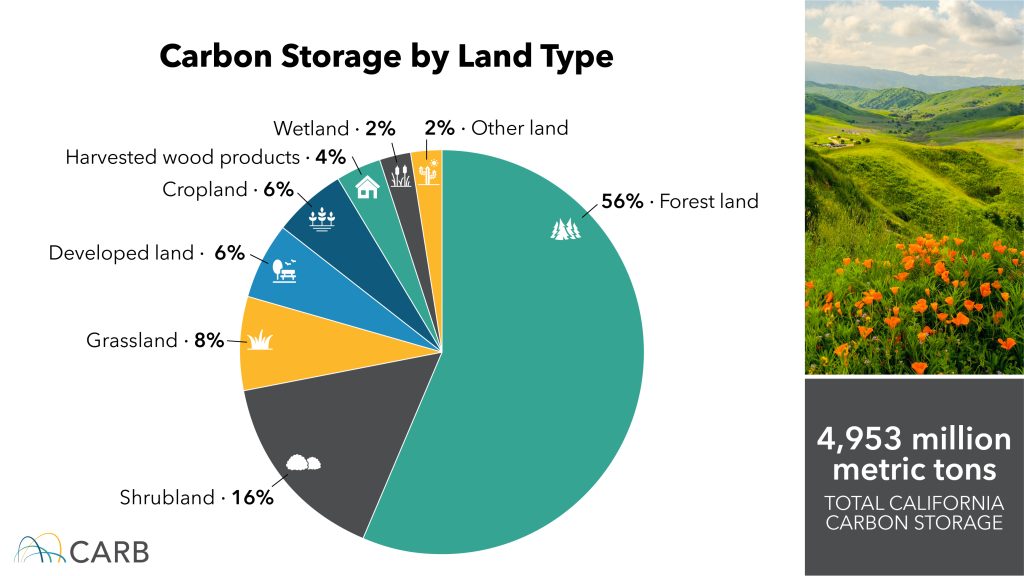
In 2022, croplands stored 278 MMT of carbon, equivalent to 5.6% of the carbon stored in California’s natural and working lands. Roughly three quarters of this was contained in the soil.
Between 2001 and 2022, total cropland carbon stocks (biomass + soil carbon) increased by 15 MMT, driven primarily by increases in perennial orchard biomass carbon stocks.
From 2014 to 2022, biomass carbon increased across most perennial crop types, largely reflecting expansion in orchard area. Almonds contributed the largest increase, followed by pistachios, walnuts, and citrus. Vineyards in contrast showed a decline in biomass carbon associated with loss in vineyard area.
Since 2001, gains in perennial biomass carbon have been concentrated in the San Joaquin and Sacramento valleys, with other regions showing small net change overall.
“California’s natural and working lands are proving to be powerful allies in our effort to address climate change,” said CARB Chair Lauren Sanchez. “Even in the face of devastating wildfires, California’s ecosystems continue to grow and absorb carbon dioxide, helping us move toward carbon neutrality. This inventory shows the incredible power of nature and is yet another example of how California continues to stand up for science with innovative programs and policies.”
The inventory is developed to identify how lands can help California achieve carbon neutrality by measuring annual gains and losses year over year. It complements the state’s annual greenhouse gas emissions (GHG) inventory which counts emissions and reductions from about 80 percent of California’s sources of human-caused climate emissions.
The inventory shows that California lands store nearly five billion metric tons of carbon with over 70% of all carbon in forests and shrublands. The inventory accounts for all organic carbon stored in living and dead biomass, near-surface soils, and wood products harvested from within the state.
While the report shows that nature has helped counterbalance wildfire emissions since 2001, California’s lands have more recently lost more carbon than they absorbed because of record-breaking wildfires driven by climate change.
This demonstrates how climate change and other human-induced factors continue to impact the carbon balance of our ecosystems and the importance of California’s efforts to reach carbon neutrality to avoid even worse impacts in the future. It also shows the important role of prescribed fires, which help reduce overgrown vegetation and keep ecosystems healthy, helping prevent destructive wildfires and protect communities.
The inventory underscores the massive amount of carbon in California’s vegetation and soils and the importance of achieving state’s Nature-Based Solutions Climate Targets.
This work is further supported by Governor Newsom’s commitment to conserve 30% of the state’s lands and coastal waters by 2030 (known as 30×30) to help protect natural systems and combat biodiversity loss.
Through the implementation of anaerobic digesters, CalBioGas Hilmar LLC (Hilmar Cluster), working with Hilmar dairy farmers, are leading the way toward a more sustainable future for their surrounding community. Cluster projects consist of a hub facility for centralized operations, including the collection of biogas from multiple dairy digesters. The hub handles the cleaning, conditioning, upgrading, and pipeline injection, making it feasible and efficient for farmers to adopt this sustainable technology on their property.
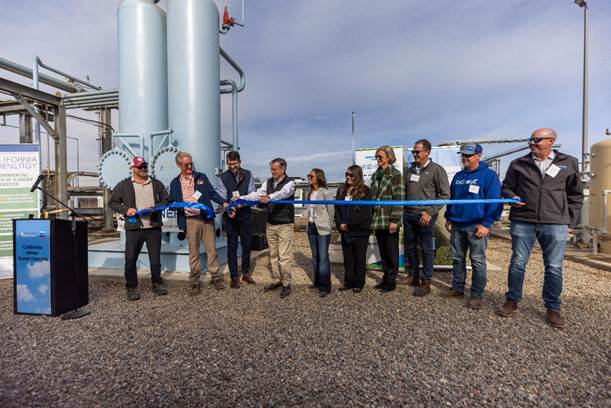
Grants administered by the Dairy Digester Research and Development Program (DDRDP) under the Office of Agricultural Resilience and Sustainability (OARS) significantly contributed to the development of the Hilmar cluster (Picture 1).
Picture 1- Hilmar Cluster Ribbon Cutting Ceremony at the Central processing Facility Site on November 19, 2025
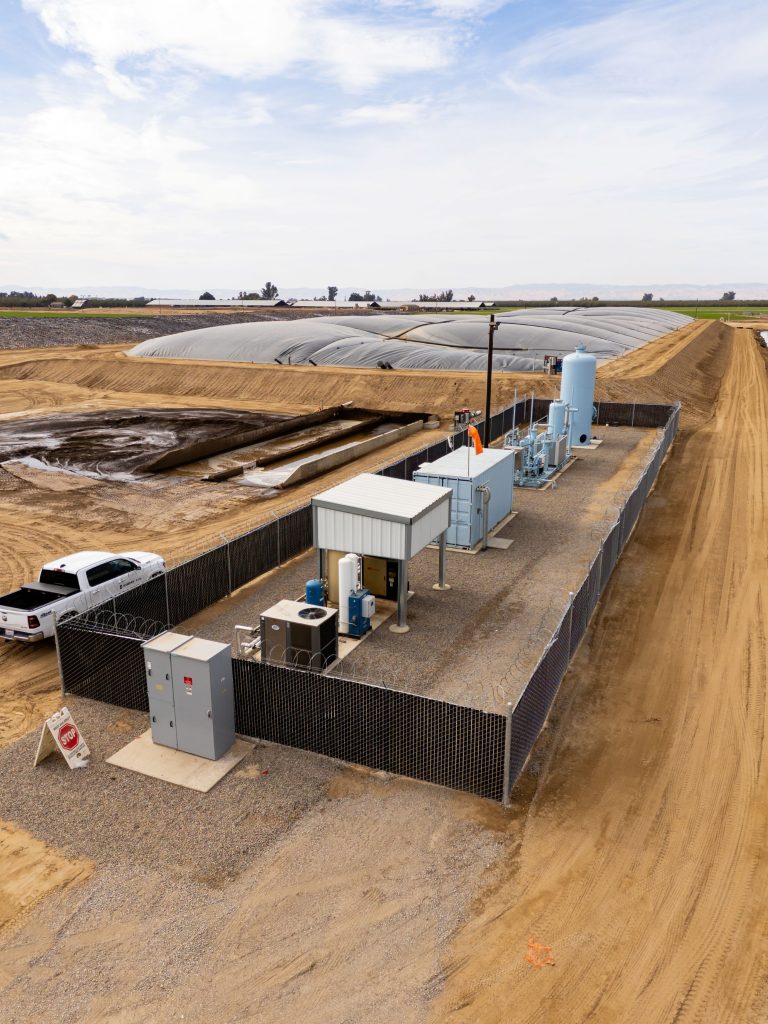
In 2019, the Hilmar Cluster was awarded more than $6.0 million total in grant funding for five projects: Ahlem Farms Dairy Biogas, Charles Ahlem Ranch Dairy Biogas, Clauss & Sunwest Dairy Biogas, James Ahlem Dairy Biogas & Nyman Brothers Dairy Biogas through DDRDP for the development of the cluster (Picture 2). Given the capital-intensive nature of these projects, DDRDP grants, which require a 50% match by awardees, have played a pivotal role in getting more projects built on California dairy farms.
Picture 2- Digester and Conditioning Plant (Hilmar, CA)
Comprised of eight (8) family farms (5 funded through DDRDP) and a strategic relationship with California Bioenergy (CalBio) and Chevron USA, the Hilmar cluster is simultaneously producing a new source of clean fuel in the form of renewable natural gas (RNG) while also reducing methane emissions. The dairy industry has continuously answered the call to do their part in progressing California’s climate goals with the Hilmar cluster being another prime example of farmers being catalysts for a cleaner future that will benefit the environment for generations to come. In the Hilmar cluster, each project is equipped with a covered lagoon that is double lined on the bottom with high density polyethylene plastic to ensure no leakage into the water table, thereby protecting and maintaining the water quality. As the manure flows into this lagoon, microorganisms will break down the manure to create biogas (primarily composed of methane, carbon dioxide (CO2), and hydrogen sulfide gases). The biogas is then captured, cleaned (with the hydrogen sulfide removed), and compressed before being sent via pipeline to a centralized processing facility to which all Hilmar projects are connected (Picture 3).
Picture 3- Hilmar Cluster processing facility and Interconnect Location
After the removal of carbon dioxide, the biogas (now biomethane) is injected directly into the nearby PG&E utility line and marketed as an alternative renewable fuel for trucks and buses. By doing this, the projects qualify for Low Carbon Fuel Standard (LCFS) credits issued by the California Air Resources Board (CARB). These credits can be monetized to provide the dairies with a new revenue stream.
Since the commissioning of all the Hilmar cluster projects in December of 2024, the projects have produced approximately 250,000 MMBtu of ultra-negative carbon intensity RNG, which is equivalent to 1.8 million gallons of diesel. In addition, the Hilmar projects have also accounted for reductions of over 95,000 metric tons of CO2 equivalent to date, which is equivalent to removing nearly 4,245 diesel trucks from the road each year. After 10 years the five DDRDP-funded projects are estimated to reduce 595,093 metric tons of CO2 equivalent.
In addition to the local environmental benefits, the Hilmar cluster has also partnered with the Hilmar Unified School District to provide six scholarships of $3,500 ($21,000) continuing education scholarships each year for two years for Hilmar High School seniors, a total of $42,000. With 63.8% of Hilmar students being socioeconomically disadvantaged[1], the support from the Hilmar cluster has been a positive boost for the community’s youth in pursuing further opportunities and success.
The Hilmar cluster demonstrates how climate-smart agriculture can drive both environmental progress and community uplift. By converting dairy manure into renewable natural gas, the projects cut methane emissions and support California’s clean energy goals. Its benefits extend beyond the farm, helping to strengthen the local economy and invest in the long-term well-being of Hilmar’s residents.
“The Hilmar Cluster is helping reduce greenhouse gas emissions in the Hilmar area while producing renewable natural gas (RNG) for the trucking industry—supporting cleaner transportation and improved air quality across California. This project is one of many that demonstrates the dairy industry’s strong commitment to adopting sustainable practices and driving environmental progress,” said Charles Ahlem, Partner Hilmar Jersey’s LLC.
California Climate Investments and GHG Reductions
The Hilmar Cluster represents a major step forward in climate-smart agriculture. Five projects in the Hilmar cluster are supported by grant funding from California’s Dairy Digester Research and Development Program (DDRDP), administered by CDFA and funded through California Climate Investments (CCI).
“AMMP and DDRDP are part of California Climate Investments, a statewide initiative that invests billions from Cap-and-Trade dollars into reducing greenhouse gas emissions, boosting the economy, and enhancing public health and the environment—especially in disadvantaged communities.”
In case you missed it, three of the manure methane reduction grant programs administered by CDFA OARS announced awards in December 2025, closing out the year with some exciting news. The awarded projects represent important progress in the dairy and livestock sector towards meeting the State’s methane reduction targets and expands the overall impact of these incentive programs. Including the newest awards, projects supported by the three programs to date will reduce an estimated 27.43 million metric tons of carbon dioxide equivalents over their minimum projected lifetimes.
California dairy cows and the environment can benefit from improved manure management projects.
AMMP and DDRDP:
In the fall of 2025, the Alternative Manure Management Program (AMMP) and the Dairy Digester Research and Development Program (DDRDP) received $7 million in Greenhouse Gas Reduction Funds as part of an amendment to the Budget Act of 2025 – these funds were part of a previous appropriation split across two fiscal years. The arrival of the $7 million allowed the two programs to offer some additional awards to those that had applied in the most recent grant round but had not yet received an award due to insufficient funds, boosting the total number of projects captured by the 2024 AMMP and 2024 DDRDP solicitations.
In December 2025, the AMMP announced the addition of 5 new projects, receiving $3.69 million in grant funds, to the 25 projects originally awarded in April 2025. The DDRDP added 2 new projects, receiving $2.6 million, to its list of 5 originally awarded projects.
Dairy Plus Program:
The Dairy Plus Program is a collaborative effort between CDFA and the California Dairy Research Foundation, funded by the USDA Advancing Markets for Producers initiative. Just before the end of 2025, DPP announced awards for its second grant solicitation round. The program awarded 23 projects associated with newly awarded, in-progress, or previously completed AMMP or DDRDP projects a total of nearly $27 million in federal grant funding, matched by more than $28 million from private sources and state Greenhouse Gas Reduction Funds.
Despite a lengthy delay due to federal transitions, the awards were highly anticipated as these projects install advanced, larger scale manure management practices. These practices not only reduce greenhouse gas emissions but also help manage nitrogen and salt surplus, improving water quality and making great strides in dairy sustainability.
Stay up to date on methane reduction program news, including the next call for applications for the Dairy Plus Program expected in early 2026 – visit our webpages or follow us on social media!
Our Alternative Manure Management Program (AMMP) provides financial assistance for the implementation of greenhouse gas emissions reducing, non-digester manure management practices on dairy and livestock operations. Tiberio Cardoso, whose family has been farming since 1981, is the Operations and Finance Manager for Manuel and Maria Cardoso & Sons Dairy in Merced County. With a 2022 AMMP grant award, he and his family added additional manure separation technologies to improve their dairy’s manure management system.
The dairy’s new solid-liquid manure separator.
Solid-liquid separation equipment such as the sloped screen mechanical separator installed on the dairy can keep manure in a drier form and out of non-oxygenated conditions, emitting significantly less methane than liquid slurry or manure stored in ponds and allowing the components to be more efficiently reused. The solids could then be used for bedding, keeping housed cows cleaner and drier, and reducing sediment buildup in the flush lanes. The solid separation resulted in cleaner lagoon waters that lead to less solids accumulation around irrigation valves, helping prevent crop damage in those areas. Separation also increased lagoon storage capacity, which is a crucial benefit in years that they receive excessive rainfall. One surprising benefit Cardoso noticed is that manure separated in this fashion proved easier to store and keep dry in the winter months, which may help to further reduce methane emissions.
Tiberio Cardoso stands by the new collection pit that agitates and pumps flush water to the separator.
“Our number one priority is our animals and their comfort along with protecting our environment. Our project provides significant benefits to our operation [by] improving animal comfort with improved bedding and also helping us meet environmental regulations, which is a win-win situation. This allows us to remain sustainable in producing a food item that is a necessity in society.”
Cardoso notes that the AMMP funds made it possible to implement the climate smart practices they have wanted to incorporate but were not financially viable options for them. Beyond the greenhouse gas emissions reductions, they found financial savings too: “Separating the manure before it enters the ponds has saved us money that would have gone to pond cleanings; handling and moving drier manure has also reduced our hauling and spreading costs. Those cost savings will help keep us sustainable [in the] short- and long-term.”
The Fernandes family has been dairying in California’s San Joaquin Valley since the 1920s, when Frank Fernandes came over from the Azores and started milking cows during the Great Depression. A century later, his grandsons continue to dairy and have expanded on multiple facilities— and now, they’re also producing renewable fuel from manure while capturing methane that would be emitted as a powerful greenhouse gas to the atmosphere.
Joe Fernandes passed the operation to his six sons: Joey, Greg, Gary, Frank, Jared, and Josh. Together, they manage four Tulare County dairies with anaerobic digesters funded by CDFA Dairy Digester Research and Development Program (DDRDP) —Fern Oaks (2019), Legacy Ranch (2017), LegenDairy Farms (2022), and Sousa & Sousa (2018, also known as Legacy Holsteins). All four dairies are based in Tulare County as a part of the Calgren Dairy Fuels Cluster, California’s first full-scale dairy pipeline network. In total, the four projects received $5.3 million through DDRDP. Greg runs Fern Oaks; Gary runs LegenDairy; Jared and Josh manage daily operations at Legacy Ranche, while Frank handles farming. Most digesters were built with Maas Energy Works. Joey also developed a separate project through a DDRDP grant with California Bioenergy.
Gary Fernandes & Family
The DDRDP grants helped Maas Energy Works, Calgren, and their partners deploy covered lagoon digester technology across multiple dairies, expanding California’s largest dairy biogas pipeline cluster, supporting the state’s investment in renewable energy infrastructure and meeting the state’s ambitious climate goals by significantly decreasing methane emissions from manure.
By offsetting upfront infrastructure costs and reducing risk for dairy owners, the funding made the project financially feasible. It also accelerated the adoption of low-emission technology and increased the supply of low-carbon, renewable transportation fuels.
How the Calgren Digesters Work
Each digester captures methane from manure, which is then sent to the Calgren facility where it is processed and upgraded into renewable natural gas (RNG). The RNG is either compressed onsite or piped into the utility grid. That RNG powers trucks and helps replace diesel with low-carbon fuel. Every upgrade serves a clear purpose: to run a cleaner, smarter, and more resilient farm.
Dairy Digester
Calgren employs an experienced team of operators and mechanics who visit the digester sites multiple times per week to conduct routine inspections and maintenance. This includes checking equipment functionality, inspecting the digester covers, and ensuring steady manure flow into and out of the system. Around the clock, Calgren’s operations team also monitors the entire digester network from a centralized control room, ensuring that biogas is continuously processed and reliably injected into the SoCalGas pipeline. Together, the family’s digesters are estimated to be reduced by over 550,000 metric tons of greenhouse gas (GHG) emissions over the next 10 years.
Farm Practices That Make a Difference
The Fernandes dairies focus on practical upgrades that improve animal welfare, cut GHG emissions, and keep the farm running efficiently. Depending on the site, those upgrades include:
Sand bedding for cow comfort and reuse
Sand bedding improves cow comfort and hoof health. It’s also recycled, reducing costs and waste. (Used at all dairies except Sousa & Sousa)
Bagged silage to reduce feed losses
All dairies use bagged silage instead of stacking it in piles. This reduces spoilage and shrinkage from ~15% to ~2%, preserving more of the harvested feed and improving overall efficiency.
On-farm solar
Legacy Ranch 2, Fern Oaks, and LegenDairy have solar panel installations that provide renewable power, lowering utility bills and GHG emissions.
LED lighting upgrades
Legacy Ranch and LegenDairy use LED lighting throughout their dairies—an energy-efficient alternative to traditional lighting that reduces electricity use.
Cow Manager health monitoring system
LegenDairy uses Cow Manager®, a system of ear tags that tracks cow activity, eating behavior, rumination, and temperature to detect illness early and ensure timely treatment and management.
Healthy Soils Program participation
Legacy Ranch 2 received funding from CDFA’s Healthy Soils Program to adopt conservation tillage, a practice that reduces soil disturbance, helping retain carbon and lower emissions.
As Gary Fernandes puts it, their approach comes down to lessons passed down from their dad, Joe:
“You take care of the cows, they take care of you.” “Control the things you can control.” — Joe Fernandes
These values continue to shape how the family runs their dairies—one decision at a time.
What Other Dairies Can Learn
The Fernandes family didn’t do this alone. They partnered with Calgren Dairy Fuels, Maas Energy Works – and California’s incentive program, DDRDP – to share infrastructure and get technical support with digester operations. That teamwork helped lower costs and keep the projects sustainable long-term.
Their success shows that family dairies can:
Cut costs by sharing pipeline infrastructure
Protect the land and keep the business strong
Use California’s climate programs to fund real projects
California Climate Investments and GHG Reductions
The Fernandes family’s digesters represent a major step forward in climate-smart agriculture. Each was supported in part by grant funding from California’s Dairy Digester Research and Development Program (DDRDP), administered by CDFA and funded through California Climate Investments (CCI).
In total, the projects received over $5.3 million in state grants—reducing greenhouse gases, improving local air quality, and supporting Tulare County’s agricultural economy.
“AMMP and DDRDP are part of California Climate Investments, a statewide initiative that invests billions from Cap-and-Trade dollars into reducing greenhouse gas emissions, boosting the economy, and enhancing public health and the environment—especially in disadvantaged communities.”
This grantee Q&A was conducted by Dr. Alyssa Louie with the help of Mr. Robert Camozzi and Ms. Stephanie Dehner (Triple C Dairy) in November 2024 to develop an AMMP project profile in partnership with the California Air Resources Board Climate Investments Policy Section.
Owner and operator of Triple C Dairy, Bob Camozzi.
Triple C Ranch, an organic dairy in Sonoma County, utilized these funds to:
Install a new compost bedded pack barn to house a portion of the herd during winter months
Automate scrape collection of manure from barn alleyways
Add a solid-liquid separator that would reduce the amount of collected manure entering anaerobic storage.
These improvements allowed for manure composting and reuse for bedding and fertilizer. By reducing the amount of manure entering a liquid environment and removing the need for manual scraping of alleyways, the project reduced both diesel and methane emissions. The project, which was completed in spring of 2022, also improved pasture management by providing more housing for the herd.
Can you share with us your name and your role on this project? Robert J Camozzi, 4th generation dairy farmer and owner/operator of Triple C Ranch.
Tell us about the area where your dairy operates in Sonoma County. How has the community supported your dairy and other small, local farms? The area has a number of small farms but one of its strengths is that it also has a lot of processing capability – our milk travels just a few miles down the road for processing at Bellwether Farms. This is a great benefit, as the community needs access to local organic products.
Compost bedded pack barn installed as part of the AMMP project.
We’d love to hear more about the project. What did it do? What benefits did the project provide for your dairy? The project had multiple components: construction of a new compost bedded pack barn; automated cable scrapers that would replace use of a diesel-fueled skid steer for cleaning concrete lanes in the new and existing barns; a reception pit and screw press separator to process scraped manure and separate solids from liquids. The results help improve water quality, air quality, the efficiency of the operation, and produces a quality soil amendment. The separator keeps more manure out of storage ponds, allowing the liquid to be used for sprinkler irrigation instead of hauling slurry to fields. The composted manure can be used on our fields and hauled up to our other ranch that grows alfalfa, essentially replacing the compost we would have had to buy previously. It can also be used as a source of bedding so we can move away from buying sand. The automated chain scrapers have led to a reduction in diesel use as well as labor – personnel can be redirected to other activities. The additional housing for the herd during winter months allows us to better manage pastures and reduces the amount of potential runoff and exposure of manure to rainwater.
What impacts do you hope to see in your community as a result of this project? We hope the project leads to people recognizing that we are doing our part to prevent global warming and improve environmental stewardship through reducing our fossil fuel use and composting. We are excited about the barn and its innovative management and are happy to host tours for visitors and those in the community – other dairy producers in the area have already asked about our experience with the AMMP grant, and seeing implemented practices may encourage others to pursue them as well.
What has been challenging in carrying out the project, and what have you learned from those challenges that could be useful for others to know? One of the lessons learned is to keep the full costs of a project in mind – don’t go into it thinking everything will be covered. There are upfront costs, the wait time for reimbursement, and then maintenance costs after implementation. It’s important to be practical and think through who can service the equipment, and to recognize that you can get some state-of-the-art equipment but ultimately all equipment will need maintenance.
What are some elements of the project you think others should consider incorporating into their projects? This is hard to say because every project is so unique to each dairy.
What advice do you have for others applying for funds? What have you learned from the application process that would be useful for others to know? Factor in upfront costs; get your bids and complete your project in a timely manner so it is done within the grant time frame and costs of equipment and labor don’t increase significantly past the original bids.
Any closing thoughts to leave us with on why you chose to pursue this grant and what it means for you and the dairy? I pursued this project because I want to pass the dairy on to the next generation. In order to do that, infrastructure is necessary and part of that is modernizing the dairy. Dairies are not always seen in a good light, but we want to do our part – we are environmentalists too. California is investing a lot to try and help, and we felt an AMMP project was a good opportunity to modernize the dairy and bring it to the next level of management for protecting the environment. It is putting ourselves in a better position for the future. We don’t always know how things will work out, but I was in the new barn the other day thinking we couldn’t run the dairy today without this – a lot of cows were calving, and they were dry and comfortable under cover instead of out in the rain. It has made a huge difference.
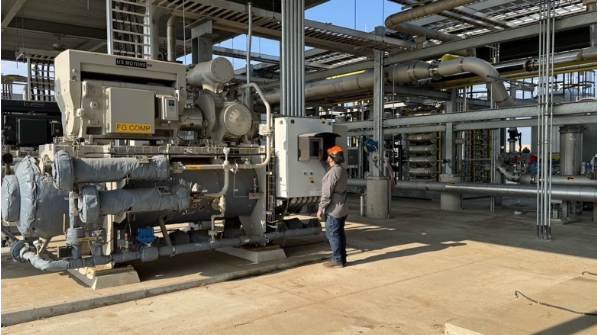
Vander Woude Dairy, a family-owned and operated business in Merced, California, has taken significant strides in sustainable agriculture by implementing a covered lagoon digester for methane capture. Established as a partnership in 2005, the dairy is now predominantly owned by Simon and Christine Vander Woude, who oversee 3,200 Holstein milking cows and 1,750 acres of farmland. In October 2020, Vander Woude Dairy began construction on a covered lagoon digester, part of the innovative Merced-South Cluster developed by Maas Energy Works. The digester became operational in November 2021, marking a new chapter in the dairy’s commitment to environmental stewardship.
The project, funded with over $1.8 million from the Dairy Digester Research and Development Program (DDRDP) through California Climate Investments (CCI) and an equal amount of matching funds from Vander Woude Dairy, cost $3.7 million. “The State of California’s proactive support of programs like the Dairy Digester Research and Development Program was instrumental in helping our project get off the ground. Our family run dairy has made consistent environmental improvements over the years, but we were hesitant to take the leap on a large investment in a digester system when the technology was still emerging. CDFA’s partnership with us and our neighbors helped us take the financial leap and their program has proven to be one of the most effective at enhancing the environmental sustainability of the California dairy industry in recent years,” said Simon Vander Woude.
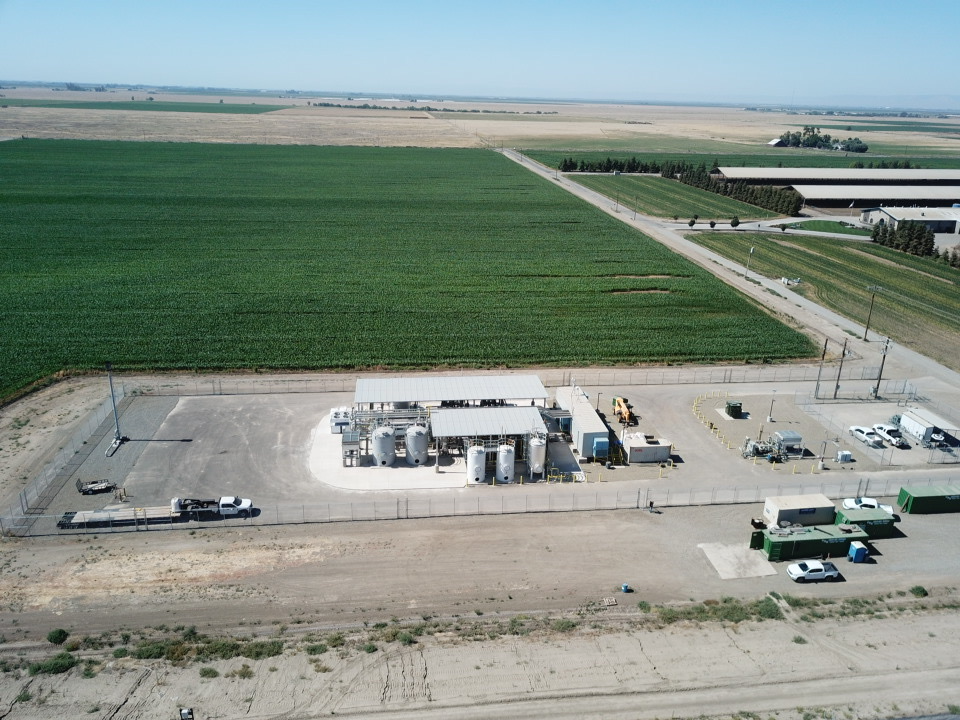
Biogas Upgrading Hub, Merced
CDFA forecasted that the digestor to reduce greenhouse gas emissions by around 18,800 metric tons of CO₂ equivalent (MTCO₂e) annually. However, the most recent 12-month data reveals that the dairy exceeded expectations, achieving nearly 24,000 MTCO₂e in reductions and injecting over 73,000 MMBTU of gas into the pipeline. The R-CNG produced by the Vander Woude Dairy Digester is injected into the utility pipeline to be used in large vehicles, qualifying it for credits under the state’s Low Carbon Fuel Standard (LCFS). These credits incentivize the production and use of low-carbon fuels, providing an additional revenue stream that supports the project’s economic viability while reducing greenhouse gas emissions in the transportation sector. These outcomes underscore the digester’s efficiency and its critical role in advancing California’s climate goals.
The Vander Woude Dairy Digester project is a model of sustainable economic development. Utilizing guidance from the Sacramento Regional Research Institute (SRRI), the project created 44 jobs—27 direct and 17 indirect—during its construction phase. These positions spanned various industries, including construction, operations, and related services, contributing an additional $825,858 in economic output for every $1 million spent.
Moreover, the project team partnered with Proteus Inc., a nonprofit dedicated to empowering disadvantaged communities in the San Joaquin Valley. Proteus facilitated local hiring, ensuring that 85% of piping contracts were fulfilled by residents near the project site. Training programs specific to renewable energy provided opportunities for individuals to develop skills aligned with California’s greenhouse gas reduction goals.
Merced Hub, pictures is Tommy Souza, Plant Operator
“For our family farm, ‘sustainability’ means doing more with less. Our dairy is the host of a hub-and-spoke model of methane digesters in Merced County, and all the dairies that send their gas to this hub are family farms. My wife, children, and I are laser-focused on efficient operations, producing milk with less impact to our climate,” said Simon Vander Woude.
By aligning with state and regional initiatives, the Vander Woude Dairy Digester embodies California’s vision for a sustainable agricultural future. Its innovative approach not only satisfies the need to reduce greenhouse gas emissions but also fosters economic growth and empowers the local community, setting a benchmark for dairy operations nationwide.